
Last updated November 24, 2026
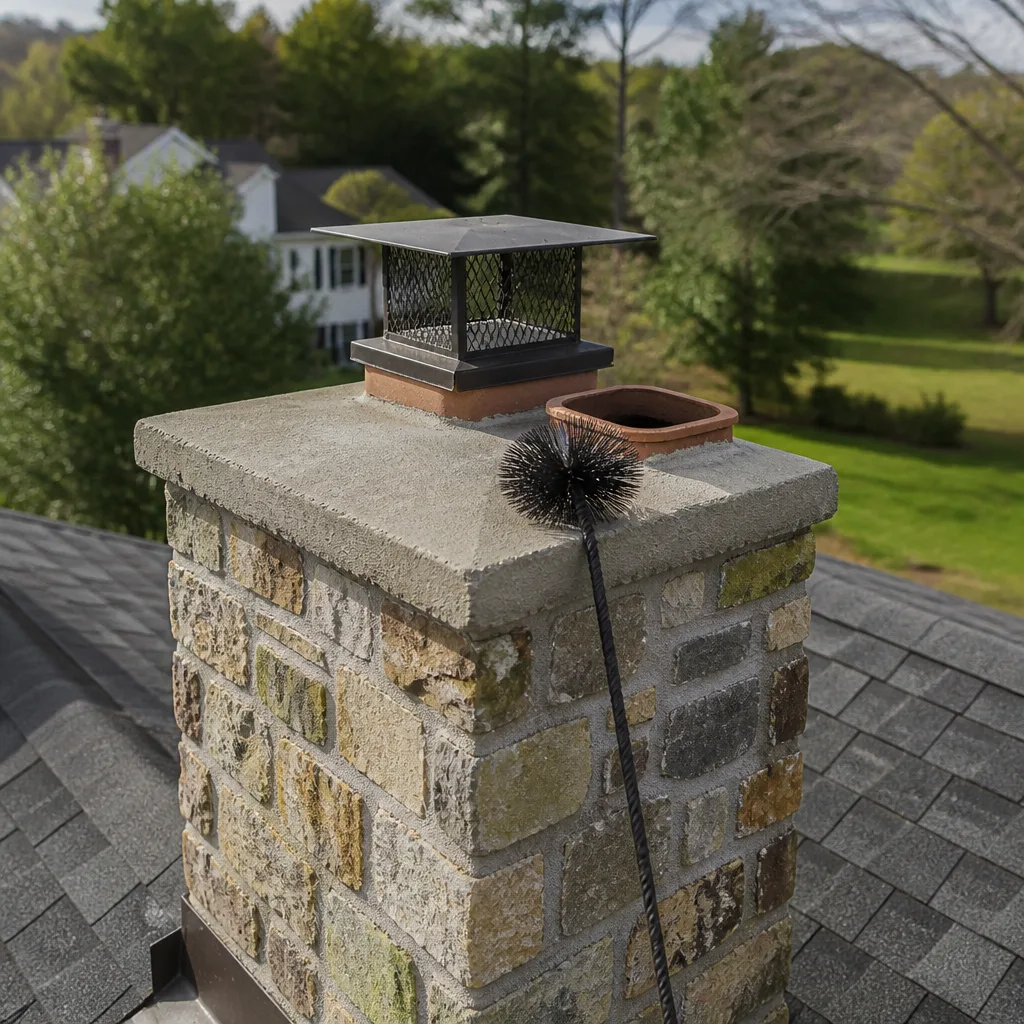 Sweep & inspection
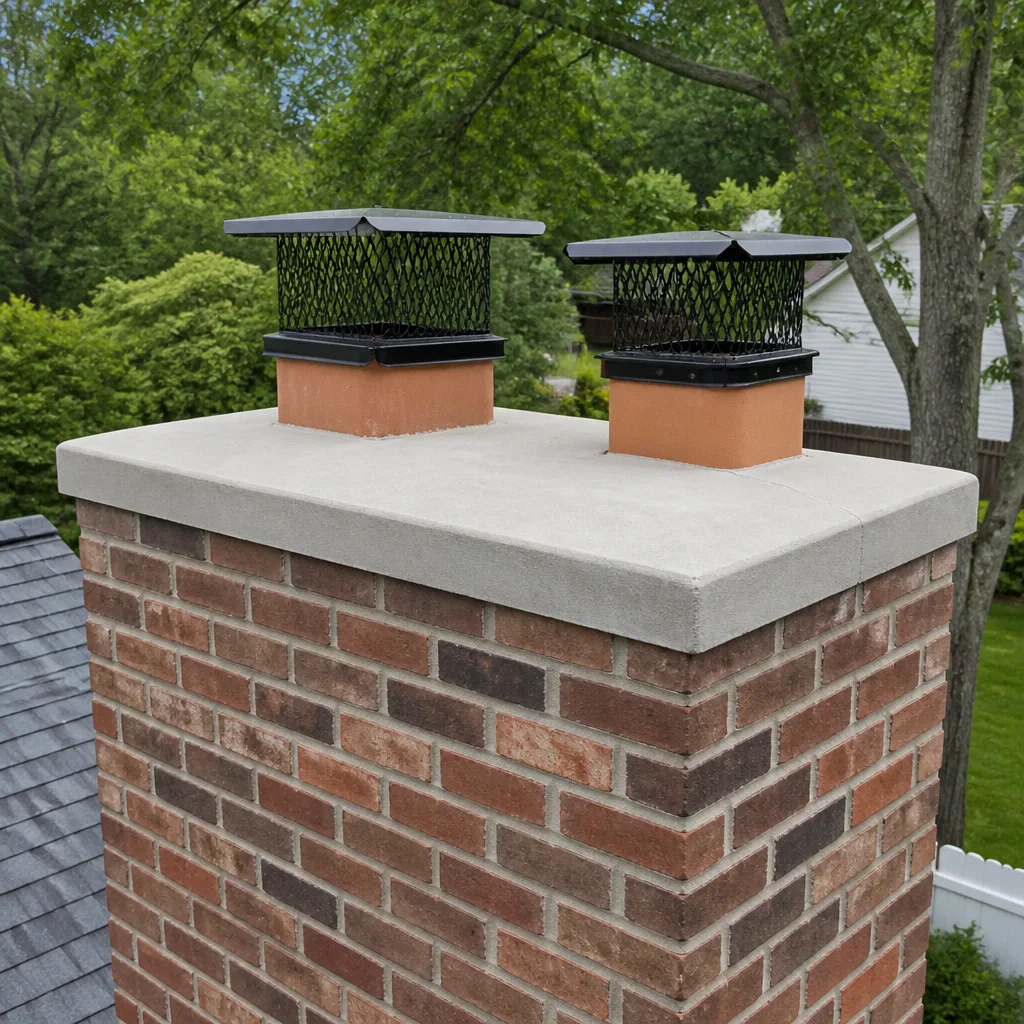 Caps & crowns
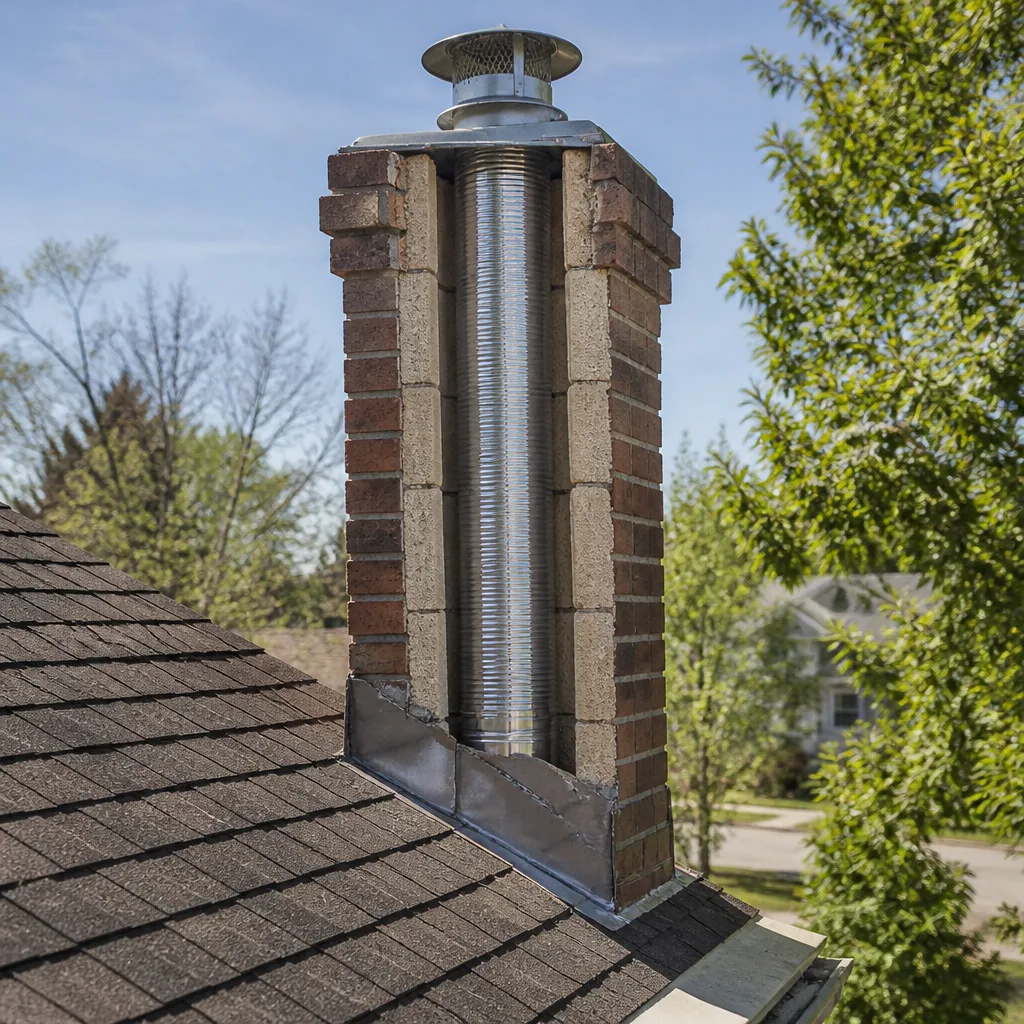 Flue relining
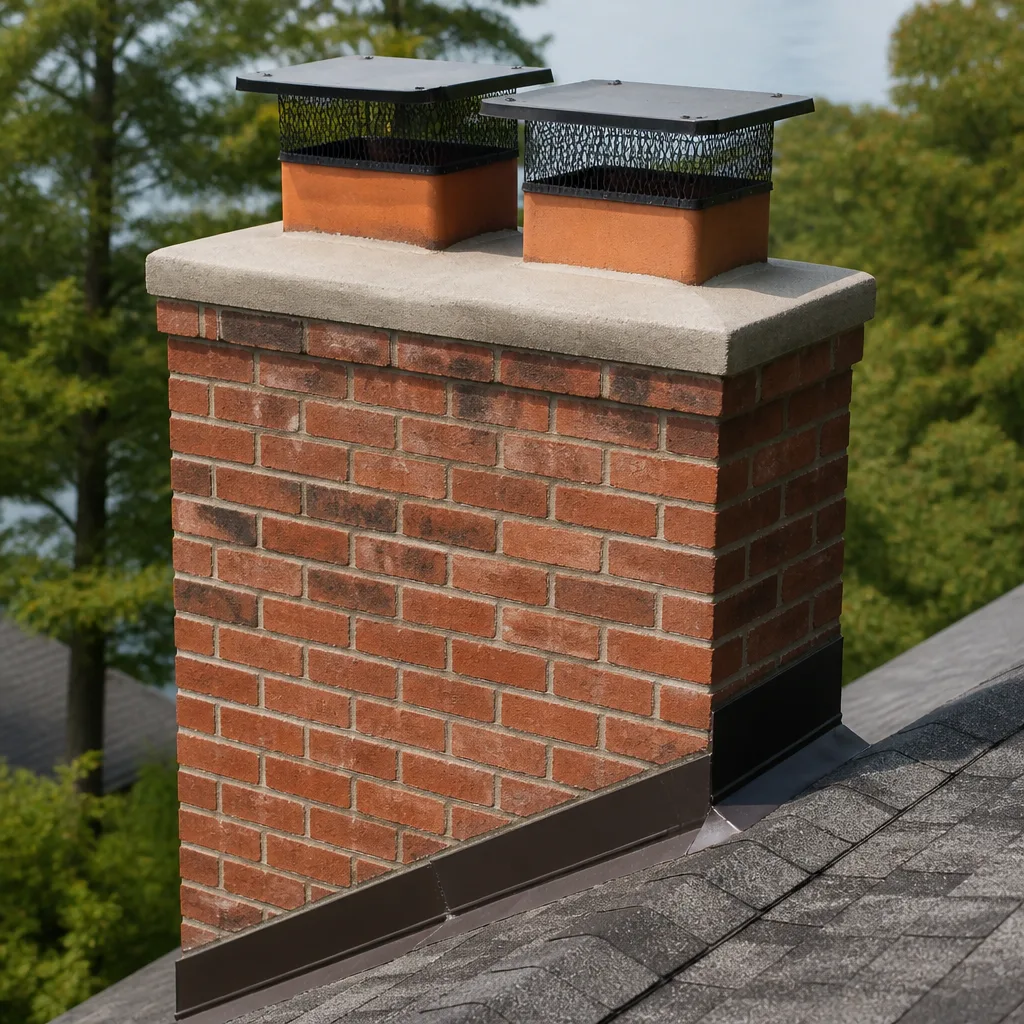 Masonry repair
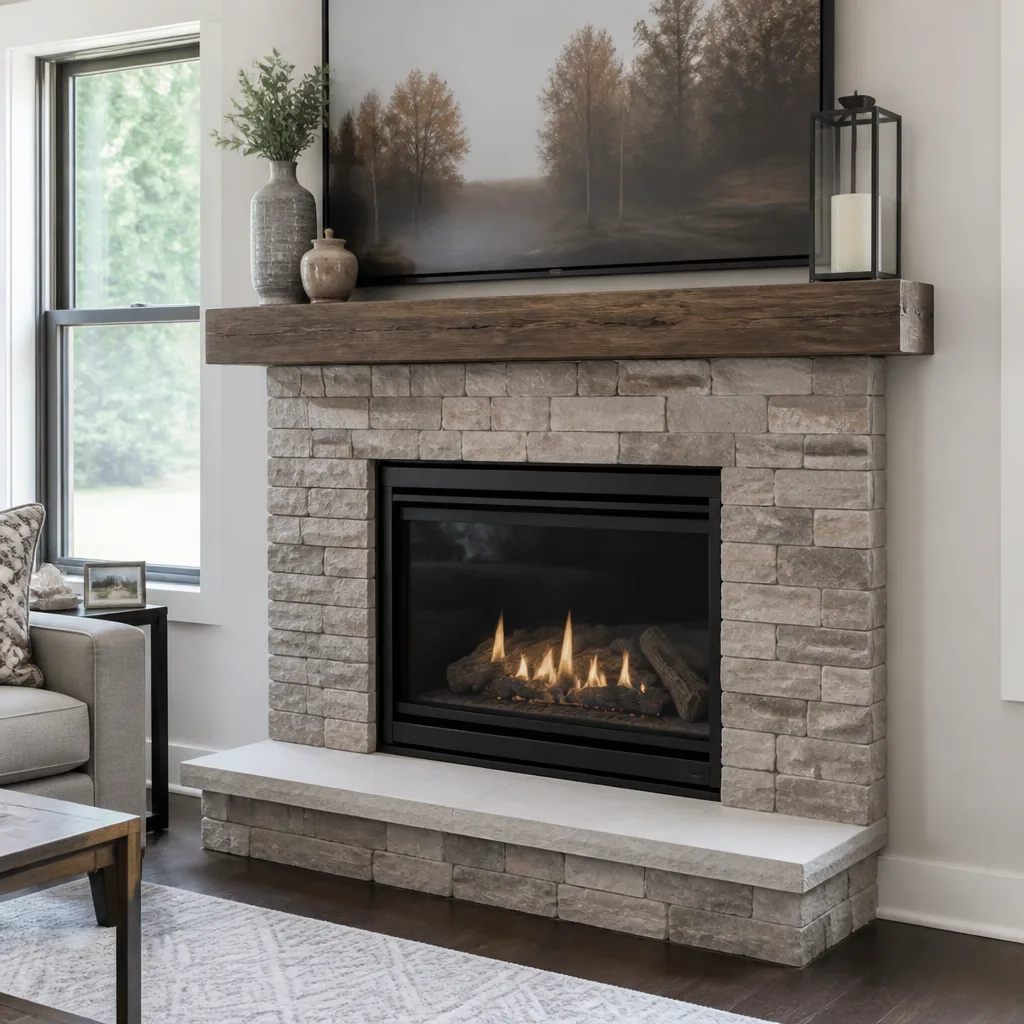 Gas fireplace service
Level 1 sweep and inspection to the NFPA 211 annual standard - flue, crown, cap, and flashing checked and photographed
Chimney sweep logs do not sweep chimneys. They loosen some creosote - which then falls where a brush and vacuum still have to collect it.
Chimney Cleaning Permits, Codes & Inspections in Renton, WA: What You Need to Know
A stainless liner installed without a permit in Renton isn’t just a code violation. It becomes an undisclosed material defect when you sell the home, and a line item your insurer can point to after a fire. That surprises most homeowners, because chimney work feels like maintenance, not construction. The truth is that chimney service lives on two sides of a line: sweeping and inspection on one side, alteration and installation on the other. Crossing that line without paperwork is where people get into trouble. This guide explains where the line falls in Renton, what inspections should document, how contractor licensing works in Washington, and why an unpermitted repair can follow a house through a sale.
Quick Answer
Routine chimney sweeping and a standard inspection in Renton generally require no permit. Any work that changes the chimney system itself, including liner installation, flue resurfacing, structural repair, or replacing a wood or gas appliance and its venting, typically requires a permit through the City of Renton under Washington State building code. A code-compliant inspection report documents the condition of the flue, firebox, cap, crown, and clearances with photos, not just a receipt that says the chimney was swept.
Styles & brands we work with
- Sweep & inspection
- Caps & crowns
- Flue relining
- Masonry repair
- Gas fireplace service
Table of Contents
- Where the Line Falls: Maintenance vs. Alteration
- How Renton’s Local Code Amendments Affect Your Chimney
- What a Code-Compliant Inspection Report Looks Like
- Contractor Licensing and the L&I Lookup Tool
- How Unpermitted Work Affects Homeowner’s Insurance
- Why Renton’s Climate Makes Moisture Protection a Code Issue
- How the Permit Process Works, Step by Step
- What Happens When You Sell a Home With Chimney Work
Where the Line Falls: Maintenance vs. Alteration
The cleanest way to think about chimney permits in Renton is to ask one question: does the work change the chimney system, or does it only clean and evaluate it? Sweeping removes creosote and debris from a flue that stays exactly as it was built. That’s maintenance. Installing a liner changes the flue. So does resurfacing a deteriorated liner, rebuilding a chimney above the roofline, or swapping out a fireplace insert and its vent connector. Those are alterations, and alterations are where the permit requirement attaches.
Under the International Residential Code as adopted in Washington, chimney and vent installations are treated as part of the appliance and venting system, not as finish work. A liner is a vent. A vent has to be inspected before it’s covered or put into service. That’s the reasoning behind the permit requirement, and it’s why a sweep company that installs liners without pulling permits is leaving you holding the paperwork problem.
Here’s the practical split we use to explain it to homeowners:
- No permit typically needed: annual sweeping, a Level 1 or Level 2 inspection, cap replacement where the cap sits on an existing crown and doesn’t alter the flue, minor firebox mortar touch-ups that don’t change dimensions.
- Permit typically required: installing a stainless liner such as a DuraFlex system, resurfacing a flue with HeatShield, rebuilding a chimney above the roof, replacing a fireplace or insert and its venting, changing a venting configuration, structural repair to the chimney chase.
- Ask the city: anything that touches the chimney’s structure without clearly being either category. Crown rebuilds, chase repairs, and masonry work near the roofline can go either way depending on scope, and the City of Renton’s building department is the authority, not a contractor’s opinion.
One detail worth knowing: gas appliance venting is not exempt. Replacing a gas fireplace or its vent connector is still an alteration to the venting system. Homeowners often assume gas means no permit because there’s no wood and no creosote. The code doesn’t care about the fuel. It cares that the vent changed.
How Renton’s Local Code Amendments Affect Your Chimney
Renton adopts the Washington State building code, which is built on the International Residential Code, and then layers local amendments on top. For chimney work, the amendments that matter are the ones about permitting thresholds, inspection scheduling, and what must be shown on submitted plans. The practical effect is that a liner installation in Renton is treated as a construction project with a defined inspection sequence, not as a service call with a paper trail.
What does that mean for you as a homeowner? Three things, mostly.
- Plans and documentation. A permit application for chimney alteration work generally needs a description of the existing chimney, the proposed product, and the venting configuration. This is where specifying the right product for your liner type matters. A HeatShield resurfacing and a DuraFlex stainless reline are different solutions for different flue conditions, and the application has to reflect the one actually being installed.
- Inspection before concealment. If work is going to be covered, it gets inspected before it’s covered. For chimney work that usually means the vent is inspected after installation and before the appliance is connected and fired.
- Final inspection. The final sign-off confirms the installed system matches what was permitted. Without it, you have an open permit, which is its own problem at sale.
Renton’s housing stock makes this more relevant than it might sound. A large share of the city’s single-family homes were built in the mid-to-late twentieth century, and many have original masonry chimneys that are now on their second or third liner decision. Clay tile liners crack. When a cracked tile liner gets relined, that’s alteration work under code, and it’s exactly the kind of job where unpermitted installation happens. We’ve seen plenty of it in Renton and in neighboring communities like chimney sweep service areas across the south end of King County.
The other local wrinkle is distance to the city’s building department. Renton’s permit office is local, the process is walkable for many residents, and there’s no good excuse for skipping a permit on work that needs one. If you’re not sure whether your job crosses the line, call the city and ask. A five-minute phone call is cheaper than a discovery at closing.
What a Code-Compliant Inspection Report Looks Like
A sweep receipt says the chimney was cleaned. An inspection report says what condition it’s in and documents it. Those are different documents, and the difference matters if you ever make an insurance claim, sell the home, or need to prove that a defect was disclosed.
A useful chimney inspection in Renton follows the three-level framework used across the trade. Level 1 covers readily accessible portions of the chimney and is appropriate for a chimney that’s in routine use with no known problems. Level 2 adds a video scan of the flue interior and is what you want when there’s been a change to the system, a chimney fire, a sale of the home, or a switch in fuel type. Level 3 involves opening up concealed areas and is rare, used when a serious defect is suspected in a section that can’t otherwise be seen.
A code-compliant report should include, at minimum:
- A stated inspection level and the reason it was chosen
- Condition of the flue interior, with photo or video documentation
- Condition of the firebox, damper, smoke chamber, and throat
- Cap and crown condition, including evidence of moisture intrusion
- Visible exterior condition of the chimney above the roofline
- Clearances to combustibles at the attic, ceiling, and roof penetration
- Notation of any defect, its severity, and whether it’s a safety issue, a code issue, or cosmetic
- A clear statement of what can wait and what shouldn’t
That last point is the one homeowners care about most, because the real fear with chimney work is being told you need thousands of dollars of liner or masonry repair that you can’t verify yourself. Camera documentation solves that. If a technician tells you the flue has a cracked tile or a broken crown, they should be able to show you the photo or the video at the same time. If they can’t, get a second opinion. Repairs that can safely wait should be named as such in writing, with a note on what to watch for.
Keep the report. When you sell a Renton home, a documented inspection history is evidence of maintenance, and evidence of maintenance is what a buyer’s inspector is looking for. A folder of sweep receipts is nice. A folder of inspection reports with photos is better.
Contractor Licensing and the L&I Lookup Tool
Washington State requires chimney contractors to be registered with the Department of Labor & Industries, the same way it registers other construction contractors. L&I maintains a public online lookup tool where you can search a contractor by name or registration number and see whether the registration is active, what insurance is on file, and whether there’s a claims history. The tool is free and takes a couple of minutes.
Use it before you book any chimney work in Renton that involves alteration, not just cleaning. Here’s what to check:
- Active registration. An expired registration means the contractor isn’t legally allowed to contract for construction work in Washington.
- Insurance on file. L&I shows whether liability insurance and workers’ comp are current. If a contractor isn’t carrying workers’ comp, an injury on your property can end up as your problem.
- Registration number on the paperwork. Washington requires the registration number to appear on contracts and advertisements. If you can’t find it on the estimate, ask.
- Scope of registration. Chimney work that includes structural repair and liner installation is construction work. Make sure the contractor you’re hiring is registered for that scope.
- Claims history. The lookup shows prior claims. A pattern of claims isn’t automatically disqualifying, but it’s information you want before you sign.
One nuance worth knowing: L&I registration is separate from permit requirements. A contractor can be properly registered and still skip the permit, or pull the permit and still install the wrong product for the flue. Both checks matter. Registration tells you the business is legitimate. The permit and inspection tell you the installation was reviewed by a code official. You want both.
We specify the right product for the liner type before any application goes in, and we work with professional-grade components including Copperfield caps and flashing and Gelco chimney caps, so the installed system matches what’s documented. That’s not a marketing point. It’s the thing that makes the permit and the inspection go smoothly.
How Unpermitted Work Affects Homeowner’s Insurance
This is the part of the conversation most contractors skip, and it’s the one that costs homeowners the most. If a chimney fire or a carbon monoxide incident traces back to unpermitted alteration work, your insurer is going to look at whether the work was done to code. If it wasn’t permitted and inspected, they have a basis to dispute the claim or to treat the defect as something you should have disclosed when you bought or renewed the policy.
Here’s how that plays out in practice:
- At claim time. The adjuster reviews the loss. If the liner that failed was installed without a permit, the question becomes whether the installation met code. If there’s no inspection record, that’s a fight you probably don’t want.
- At renewal. Many policies ask about unpermitted work. If you know there’s unpermitted chimney alteration and don’t disclose it, that’s a separate problem from the fire itself.
- At sale. Washington’s seller disclosure form requires you to disclose known material defects. Unpermitted chimney work is a material defect because it’s a code violation. Whether you knew or should have known is a question a buyer’s attorney will be happy to explore.
- At refinance or appraisal. Lenders increasingly flag open permits. An open chimney permit from a prior owner can stall a closing.
The fix for existing unpermitted work is usually straightforward. A Level 2 inspection documents current condition. If the installation is sound but unpermitted, a permit can sometimes be obtained retroactively through the city, with an inspection to confirm the work meets code. If the installation isn’t sound, you find out before a fire does. Either way, you’re better off knowing.
We can work with your insurer on documentation if you’re pursuing a claim, and we can produce an inspection report that a claims adjuster will actually accept. What we won’t do is tell you the liner needs replacing without showing you why. That’s a safety issue and a financial one, and the camera evidence is the whole point.
Why Renton’s Climate Makes Moisture Protection a Code Issue
Renton sits in the Puget Sound lowlands, which means wet winters, a long shoulder season of drizzle, and enough freeze-thaw cycling on the occasional cold snap to work on masonry joints year after year. Chimneys in this climate take on water from the top down. The crown cracks, water gets behind it, the masonry wicks, and freeze-thaw spalls the brick face. It’s the same story across the south end of King County, and it’s why cap and crown work matter more here than in drier parts of the state.
Moisture intrusion is where the climate and the code overlap. An uncapped flue lets rain straight into the chimney interior, which degrades the liner and, over time, can rust a stainless liner from the inside. A cracked crown does the same from the top. Once the liner is compromised, the venting system no longer meets code, and that’s when a repair that should have been a cap installation becomes a liner replacement. The permit conversation starts here, because by the time you’re installing a liner you’re doing alteration work.
Cap and crown work is preventive and typically doesn’t require a permit when it doesn’t alter the flue. It’s also the cheapest structural work on a chimney. A chimney cap & crown installation at the right time saves the liner and the masonry below it. We treat that as its own service line rather than an upsell, because in Renton’s climate it’s the difference between a chimney that lasts and one that needs rebuilding.
Burning season here runs long. A chimney that’s swept and inspected before the first cold stretch of fall has a better chance of making it through the winter without a surprise. There’s no urgency in the hourly sense. The urgency is seasonal, and it’s worth booking a chimney sweep before the burning season starts rather than in the middle of it.
How the Permit Process Works, Step by Step
For a typical chimney alteration in Renton, the process follows a predictable sequence. It’s not complicated, but it does require the contractor and the homeowner to be on the same page about scope before anything is installed.
- Inspection first. A Level 2 inspection documents existing condition and identifies the actual defect. This is what drives the product decision. A cracked tile liner and a deteriorated clay liner with a sound tile core can look similar from the outside and need different solutions.
- Scope and product selection. The contractor specifies the product for the flue condition. A DuraFlex stainless liner for a straightforward reline, HeatShield ceramic resurfacing for a liner that can be rehabilitated in place, or another professional-grade component as appropriate. The scope goes on paper.
- Permit application. The application goes to the City of Renton with the scope, the product, and the existing chimney documentation. The city reviews and issues.
- Installation. Work proceeds per the permitted scope. Any change to scope requires an updated permit.
- Inspection. The city inspects the installed venting before it’s concealed or put into service.
- Final sign-off. The permit closes with a final inspection. You get documentation of a code-compliant installation.
- File it. Keep the permit, the inspection sign-off, and the product documentation with your home records. This is your evidence at sale, at insurance renewal, and at any future inspection.
For maintenance work, the sequence is simpler. Sweep, inspect, document, and decide whether anything needs to move into the permit track. A good inspector tells you which track you’re on before you’ve spent any money on installation.
One note on timing: we don’t promise same-day service or a dispatch window, because a sweep is booked. What we do promise is that when we’re on site, you’ll see the camera inspection and get a photo report with the sweep. The Renton Chimney Sweep Pros team handles inspection, sweep, cap and crown, fireplace repair, and structural chimney repair, so the scope decision doesn’t require bringing in a second contractor mid-project.
What Happens When You Sell a Home With Chimney Work
Chimney work becomes visible at sale in three places: the seller disclosure form, the buyer’s inspection, and the title or permit records. Unpermitted work can show up in any of the three, and when it does, it becomes a negotiation.
The seller disclosure form in Washington asks about known material defects. Unpermitted chimney alteration is a material defect because it’s a code violation and because it may not have been installed correctly. If you know about it, you disclose it. If you don’t know about it because you never inspected, you’re in a weaker position, because “I didn’t know” is harder to defend when a Level 2 inspection would have found it.
The buyer’s inspector will look at the chimney. A good one will note the cap and crown condition, visible masonry defects, and any evidence of a liner. If the buyer’s inspector flags the chimney and there’s no permit on record for the liner, the buyer’s agent will ask for documentation or a credit. A permit and inspection sign-off closes that question in one document.
Title and permit records are the third place. Many municipalities, Renton included, maintain searchable permit history. An open permit from a prior owner can surface during a title search or a refinance. It’s not unusual for a homeowner to discover that a chimney liner was installed years ago without a permit, and the fix is a retroactive permit or a documented inspection that confirms the installation is code-compliant.
If you’re getting ready to sell, get the inspection done before the listing goes up. The report gives you options. You can disclose with documentation, you can address defects on your own timeline, and you can avoid the credit negotiation that comes from a buyer’s inspector finding a problem you didn’t know about. A fireplace repair item that shows up during a pre-listing inspection is a small job. The same item found during a buyer’s inspection is a negotiation.
Common Mistakes to Avoid
- Assuming all chimney work is permit-free. Sweeping is permit-free. Liner installation, resurfacing, and appliance replacement typically aren’t. The assumption is the most common cause of unpermitted work in Renton.
- Accepting a sweep receipt as an inspection. A receipt confirms the chimney was cleaned. An inspection report documents condition with photos. They’re different documents and only one of them helps you at sale or at claim time.
- Hiring a general handyman for liner work. Liner installation requires product-specific knowledge and a permit. A generalist who “also does chimneys” is the wrong hire for anything past sweeping.
- Skipping the L&I lookup. Two minutes on the state’s tool tells you whether the contractor is registered and insured. Skipping it is the single easiest mistake to avoid.
- Ignoring the crown until the liner fails. In Renton’s wet climate, a cracked crown lets water into the chimney structure for years before the damage is visible from the ground. Cap and crown work is cheap. Liner replacement isn’t.
- Not keeping the permit and inspection paperwork. The paperwork is the value. Filing it with your home records is what turns a completed job into documented evidence at sale.
- Accepting a repair recommendation without camera evidence. Any liner or masonry recommendation should come with video or photo documentation you can review yourself. If it doesn’t, ask for it before you commit.
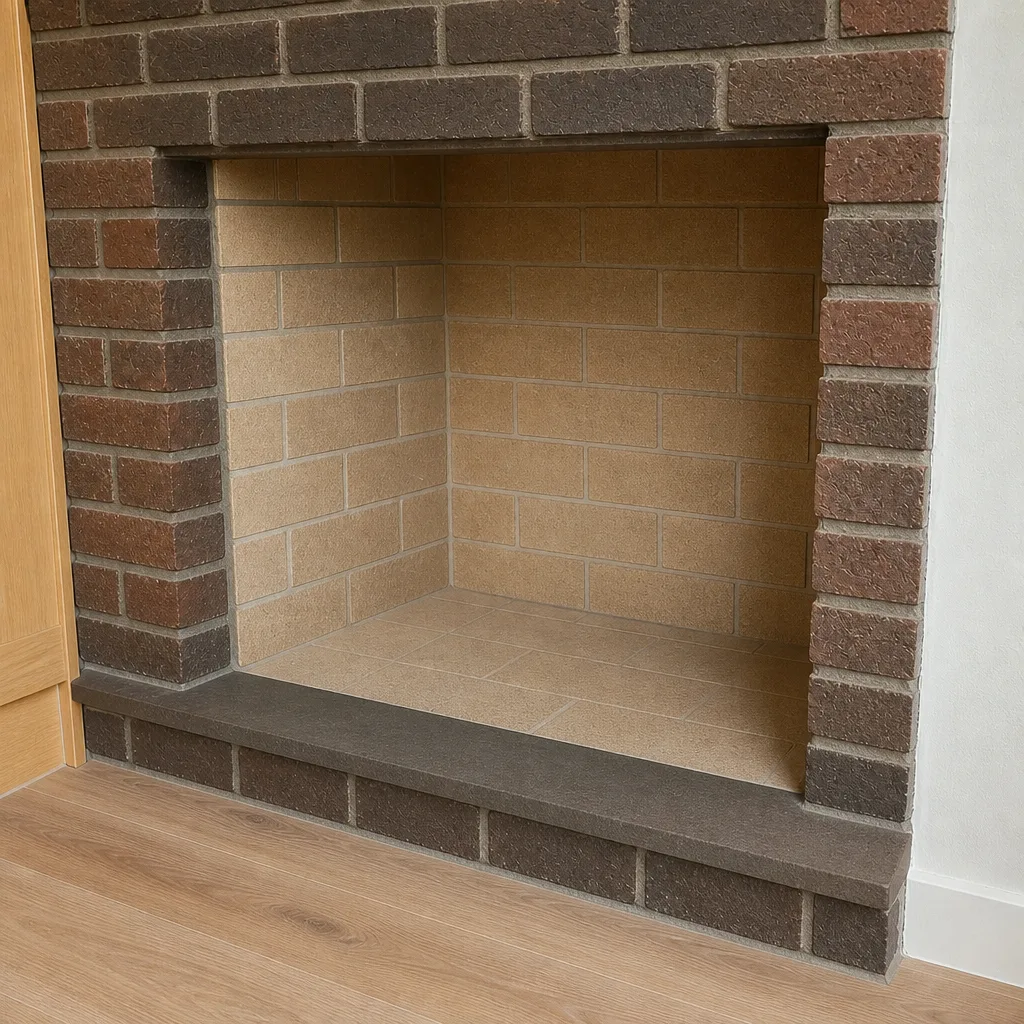
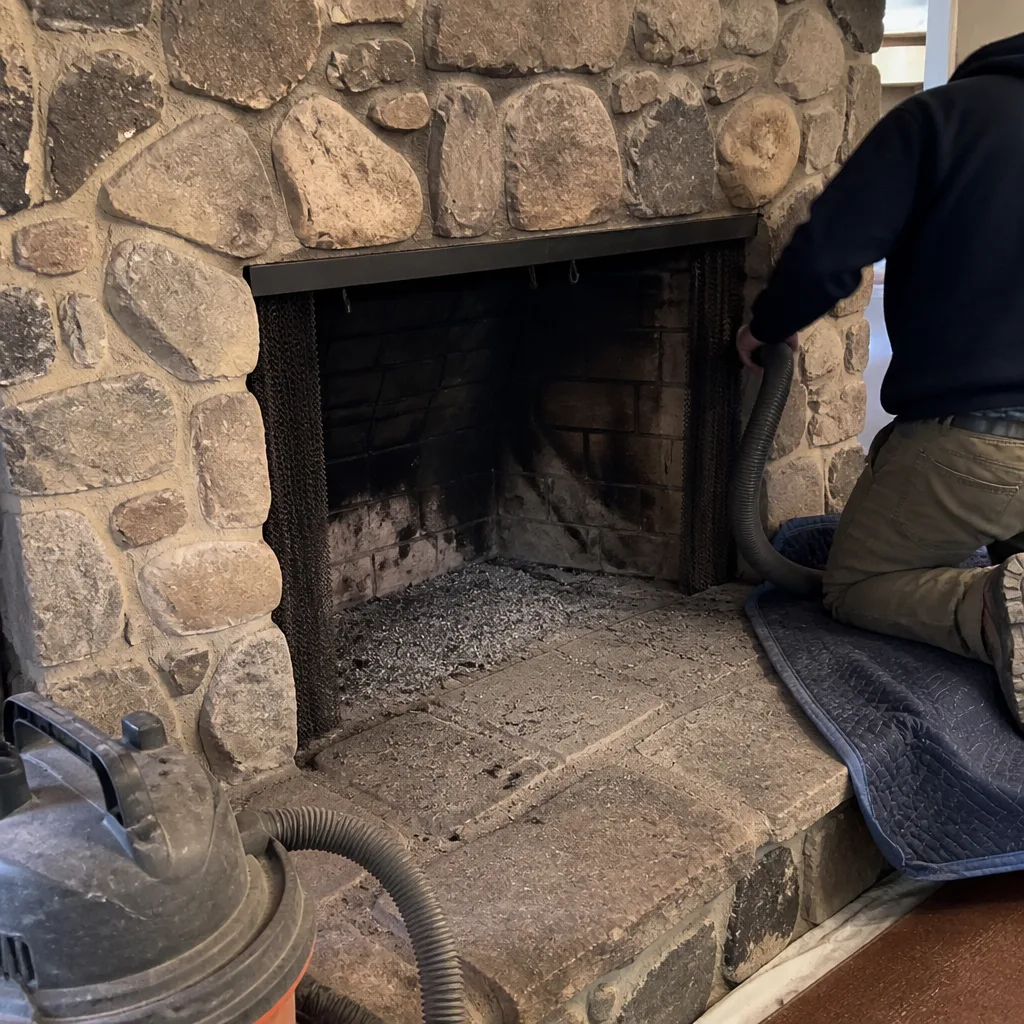
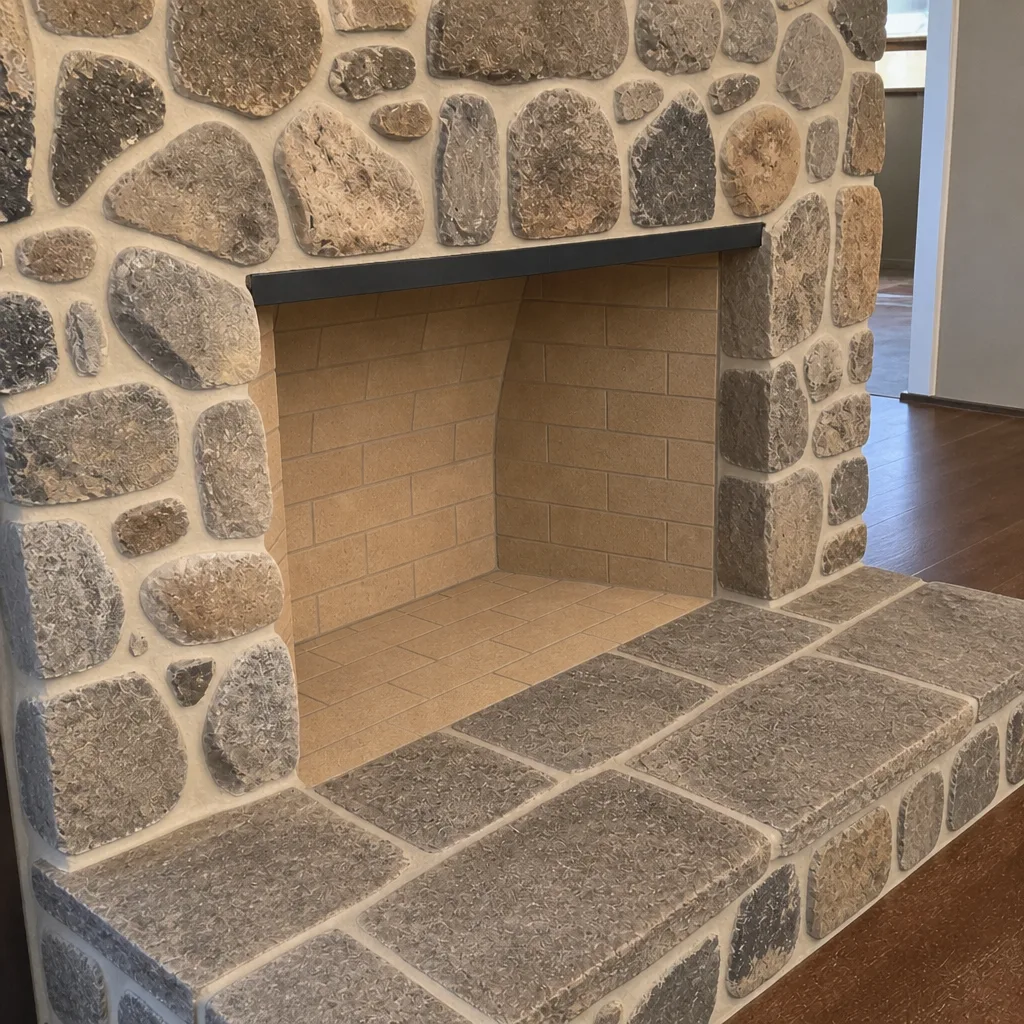
See the difference
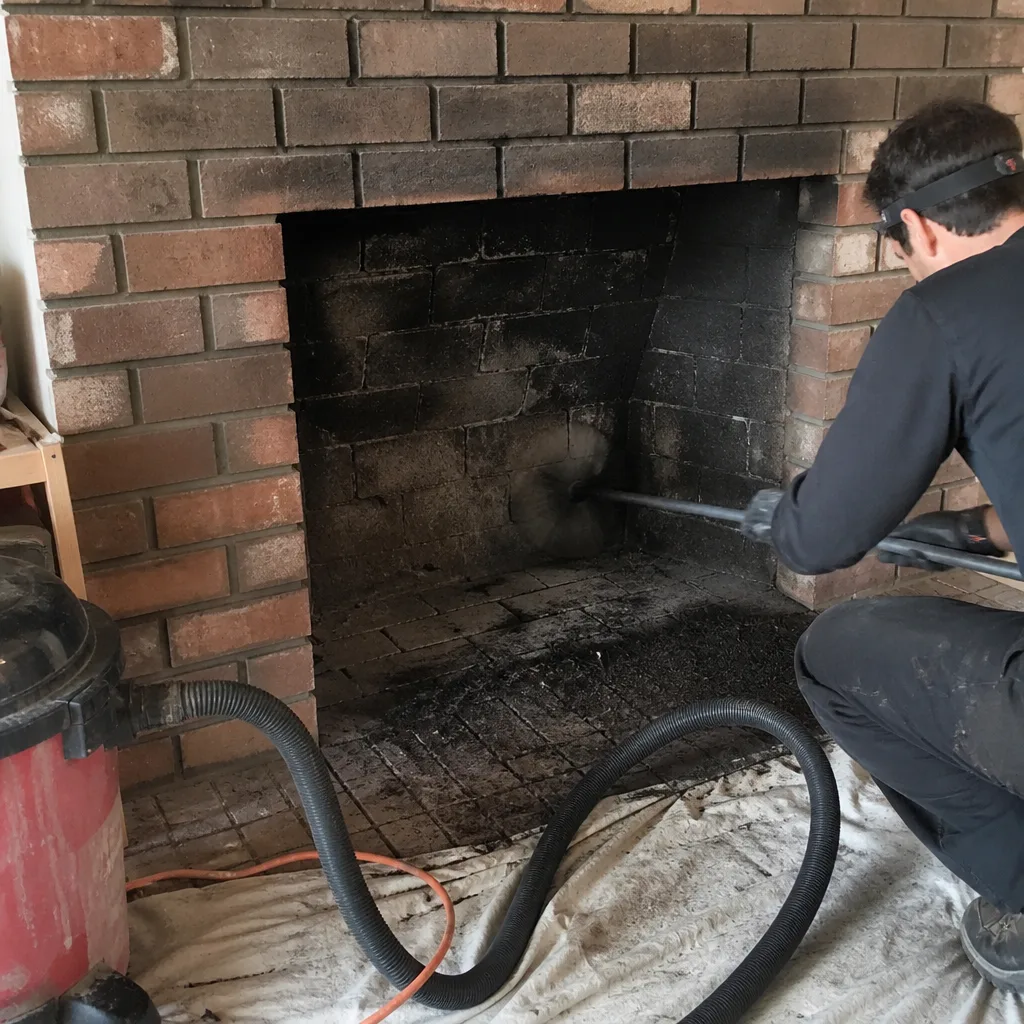 Before
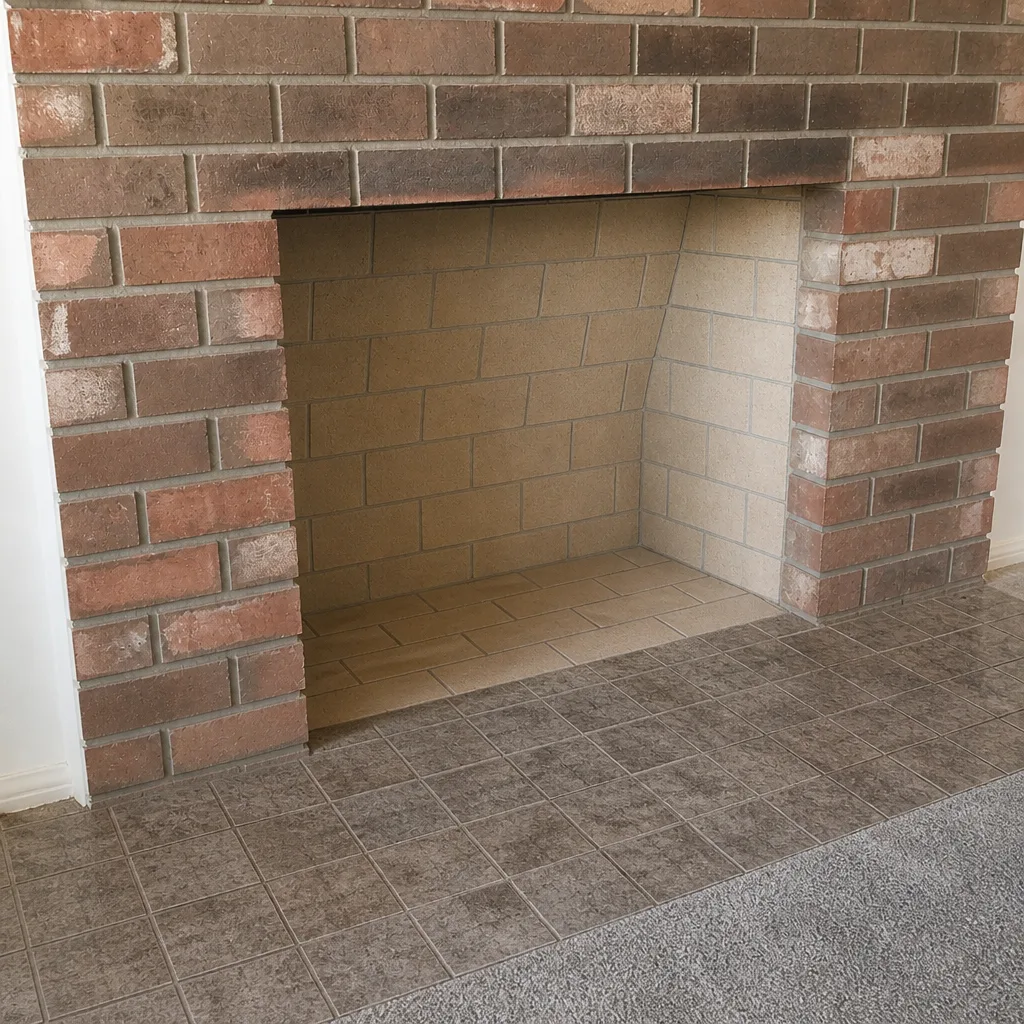 After
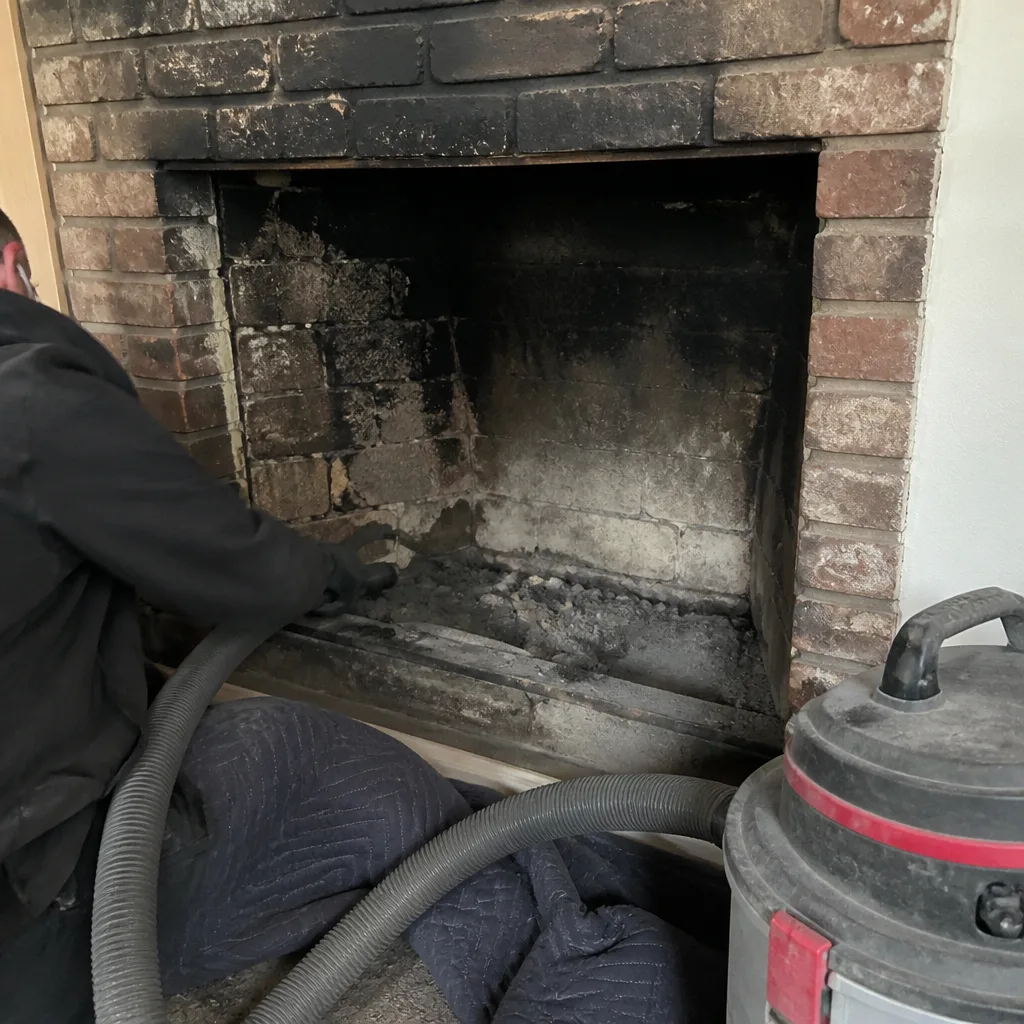 Before
 After
 Before
 After
When to Call a Professional
Call a chimney professional in Renton when you’ve just bought a home with a fireplace and don’t have an inspection history, when your chimney hasn’t been swept in a season or more of regular use, or when you notice a change in how the fireplace drafts or smells. Call when you’re planning a liner installation, a fireplace or insert replacement, or any structural repair to the chimney, because those are the jobs that need a permit and a code inspection. Call when you’re getting ready to sell and want documentation in hand before the listing goes up. And call if a prior owner’s liner installation has no permit on record and you need to know whether it’s sound. Renton Chimney Sweep Pros offers free estimates in Renton. Call (877) 792-7176. We answer 24/7. Fast dispatch from 7am to 7pm, Sunday through Friday.
Frequently Asked Questions
No. Routine sweeping is maintenance and doesn’t require a permit in Renton. A permit starts to matter when the work changes the chimney system itself, which means liner installation, resurfacing, structural repair, or appliance replacement. Call (877) 792-7176 for an exact quote on a sweep and inspection. Estimates are free.
Yes, in most cases. A liner is a change to the venting system, and venting alterations are reviewed through the City of Renton under Washington State building code, with an inspection before the vent is put into service. The exact requirement depends on scope, so confirm with the city’s building department before work begins. Call (877) 792-7176 if you want an inspection first to determine whether a liner is even the right solution.
A sweep removes creosote and debris. An inspection documents the condition of the flue, firebox, cap, crown, and clearances, usually with photo or video evidence. You need both, and they should happen in the same visit. A sweep receipt alone won’t help you at insurance claim time or at sale. Call (877) 792-7176 to book a sweep with a camera inspection and photo report included.
Use the Washington State Department of Labor & Industries online lookup tool. Search the contractor by name or registration number and check that registration is active, insurance is on file, and the scope of registration covers construction work. The tool is free and public. Registration is separate from the permit, so check both. Call (877) 792-7176 to ask what documentation we provide with a job.
It can. If a fire or carbon monoxide incident traces back to unpermitted alteration, the insurer will look at whether the work met code and whether there’s an inspection record. Without one, the claim becomes a dispute. The same defect is also a material disclosure item at sale. Call (877) 792-7176 if you need an inspection report that documents current condition for an insurer or a buyer.
For a wood-burning fireplace in regular use, once a year is the standard. Renton’s long burning season and wet climate make an annual sweep and inspection the practical baseline, and it’s what keeps a small crown or cap issue from becoming a liner replacement. Gas appliances still need annual inspection even though there’s no creosote. Call (877) 792-7176 to book before the burning season starts. Estimates are free.
The Bottom Line
Permits, codes, and inspections are the paperwork side of chimney work, and they’re the side that follows a house through insurance claims, refinances, and sales. The line is simple: sweeping and inspection are maintenance, and anything that changes the chimney system is alteration work that needs a permit through the City of Renton. A code-compliant inspection report documents condition with evidence, not just a receipt. L&I registration confirms the contractor is legitimate, and the permit confirms the installation was reviewed. Neither replaces the other. Get the inspection before you need it, keep the paperwork, and specify the right product for the liner type rather than the cheapest one on the shelf. Professional-grade materials and documented installation are what make a chimney last in this climate.
Renton Chimney Sweep Pros offers free estimates in Renton for inspection, sweep, cap and crown, fireplace repair, and chimney repair. Call (877) 792-7176. We answer 24/7. Fast dispatch from 7am to 7pm, Sunday through Friday.
Written by the team at Renton Chimney Sweep Pros.