
Last updated November 24, 2026
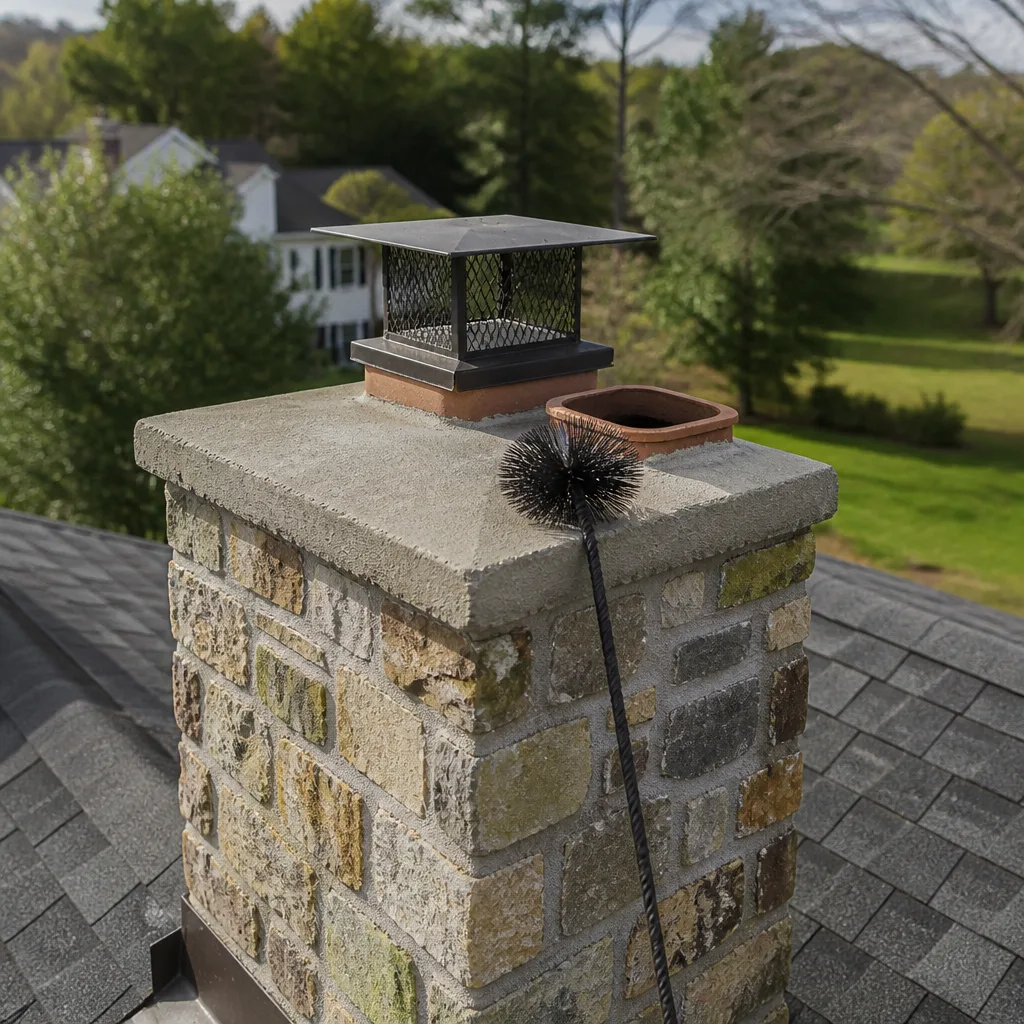 Sweep & inspection
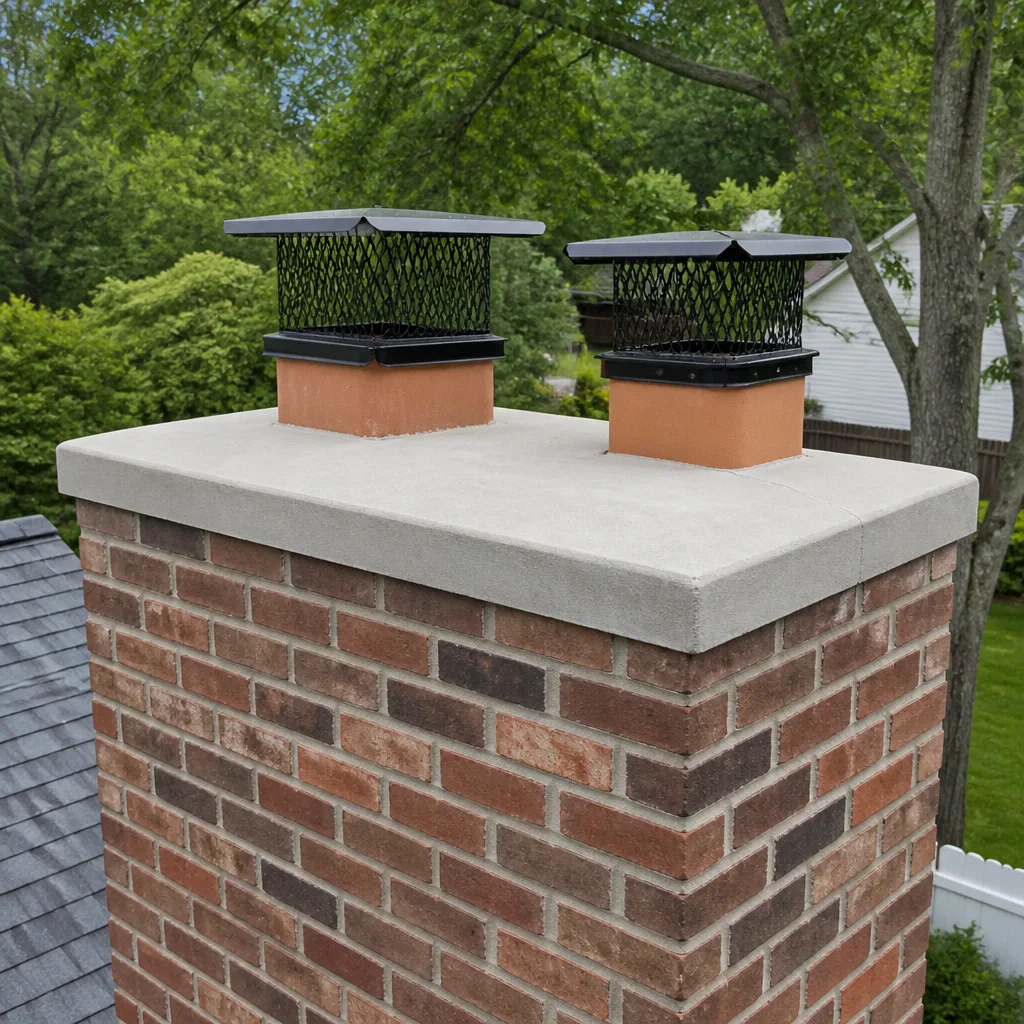 Caps & crowns
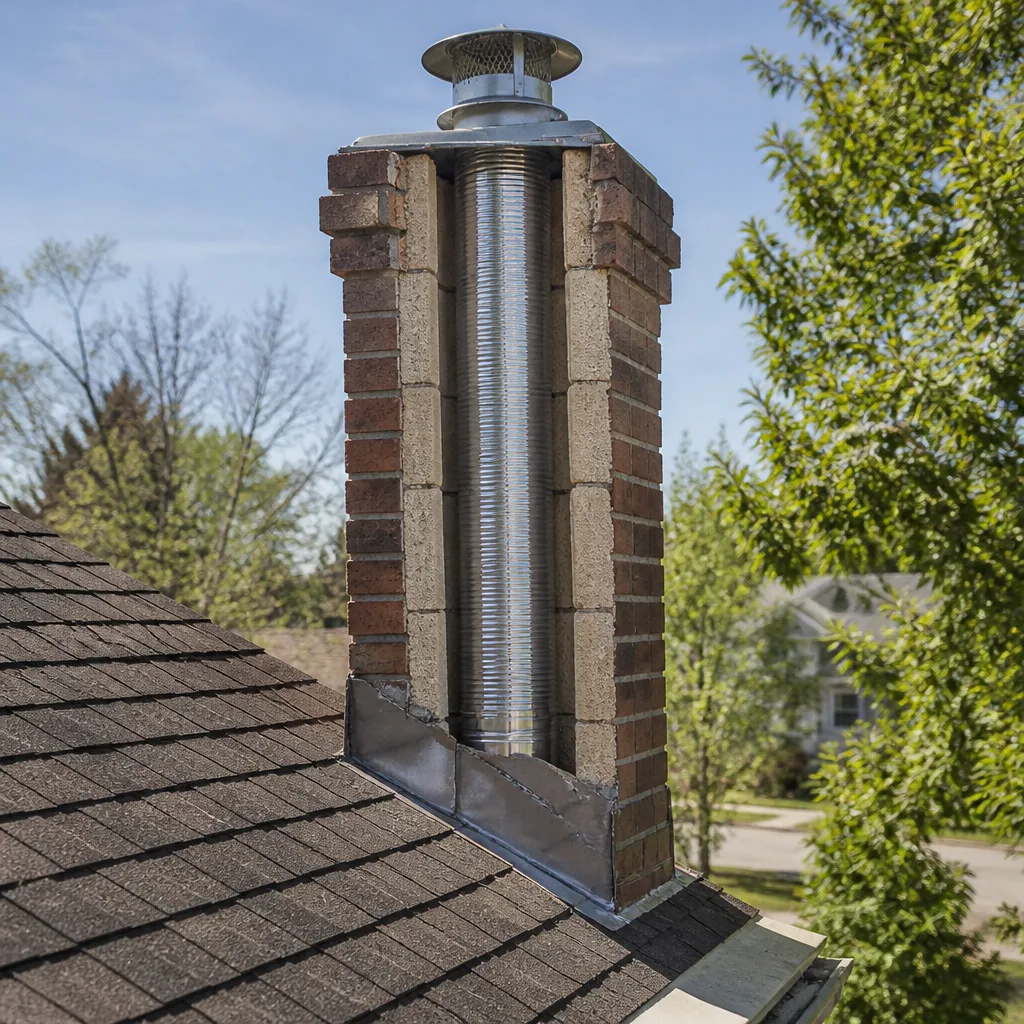 Flue relining
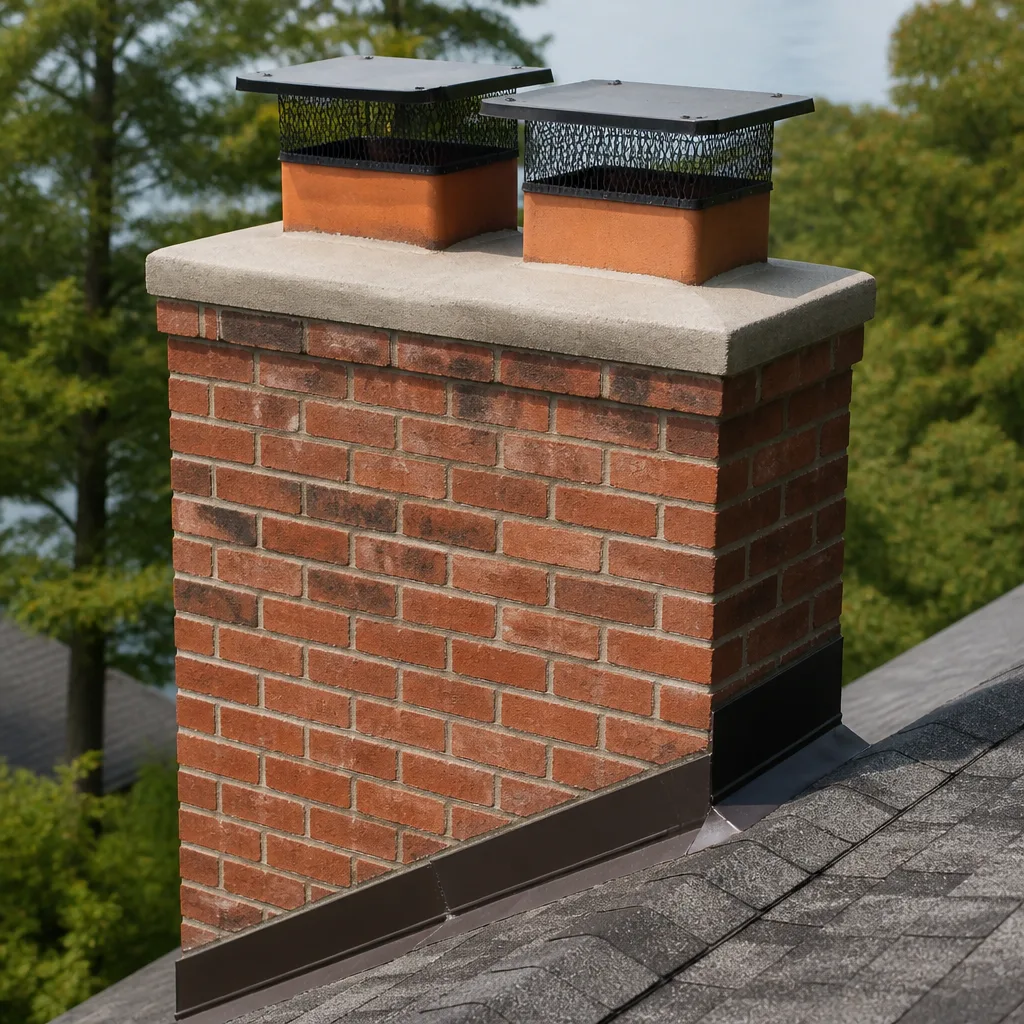 Masonry repair
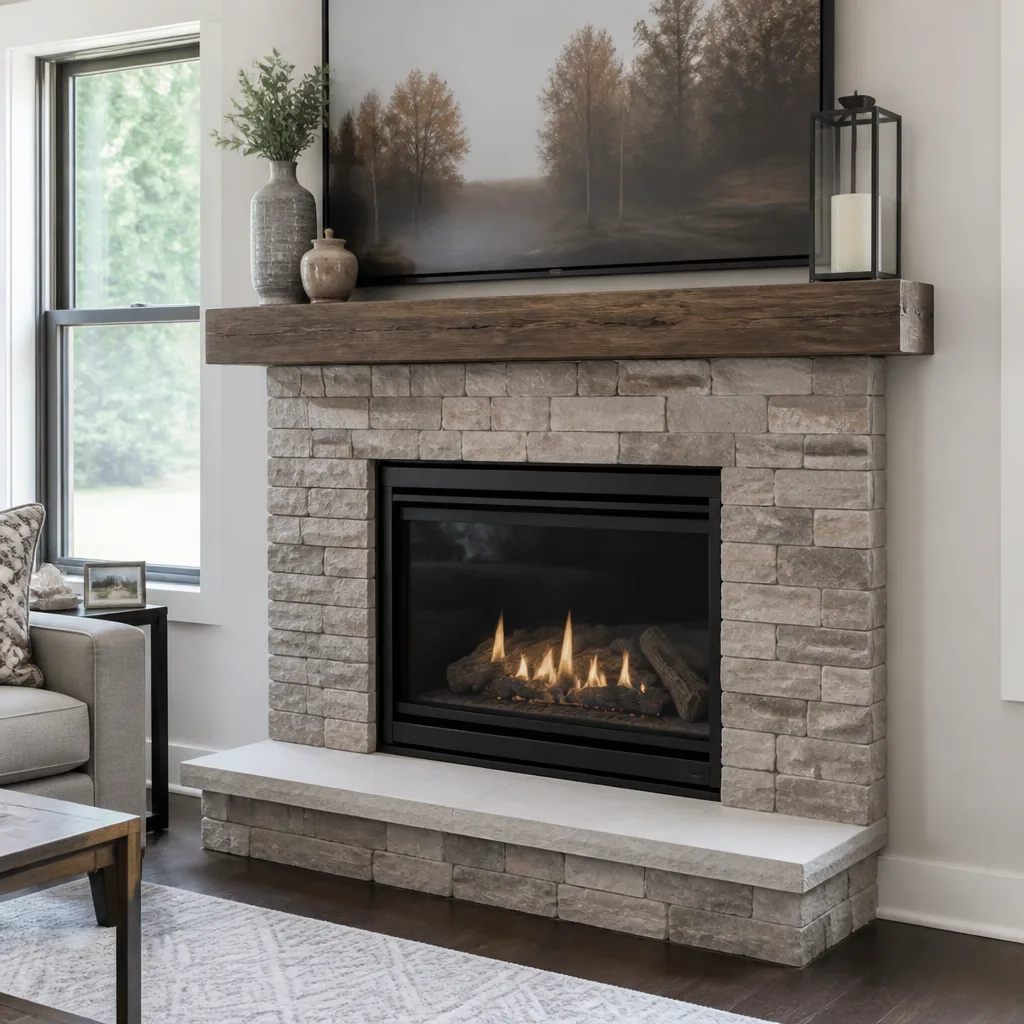 Gas fireplace service
Level 1 sweep and inspection to the NFPA 211 annual standard - flue, crown, cap, and flashing checked and photographed
Chimney sweep logs do not sweep chimneys. They loosen some creosote - which then falls where a brush and vacuum still have to collect it.
Chimney Sweep Troubleshooting in Renton: Common Problems and How to Fix Them
A smoky fireplace is a chimney problem less often than most homeowners assume. In a lot of the houses we work on around Renton, the chimney itself is clear and the fire still smokes, because the real issue is air pressure inside the home. Modern weatherization, exhaust fans, and tightly sealed windows can pull harder on your house than the chimney can pull on the firebox, and no amount of sweeping fixes that. What follows is the diagnostic ladder we use to sort one problem from the other, so you spend money on the right fix instead of guessing. You’ll learn how to read symptoms, judge creosote stages from the firebox, and know when a troubleshooting call turns into real repair work in Renton.
Quick Answer
Most chimney problems in Renton fall into three buckets: airflow and draft issues (often caused by house pressure, not a blocked flue), creosote accumulation that needs a proper sweep, and moisture or structural damage to the cap, crown, or liner. The right fix depends on which bucket you’re in, and the only reliable way to tell is a hands-on inspection with a camera. Start by matching your symptom to its likely cause, then call a specialist before the next fire if the cause is outside your control.
Styles & brands we work with
- Sweep & inspection
- Caps & crowns
- Flue relining
- Masonry repair
- Gas fireplace service
Table of Contents
- Symptom-to-Cause: What Your Chimney Is Telling You
- The House-Pressure Variable Most Homeowners Miss
- Reading Creosote Stages From the Firebox
- What’s Safe to Fix Yourself vs. What Needs a Sweep
- Odors, Staining, and Moisture Problems
- When Troubleshooting Becomes a Liner or Structural Diagnosis
- Renton’s Wet Season and Your Chimney
- Common Mistakes to Avoid
- When to Call a Professional
- Frequently Asked Questions
Symptom-to-Cause: What Your Chimney Is Telling You
Every chimney complaint maps to a short list of mechanical causes. The trick is to start with the symptom and work backward instead of guessing at the flue. If you live in Renton and your fireplace is behaving oddly, match what you’re seeing to the list below before you call anyone. It’ll save you from paying for the wrong service.
- Smoke rolls back into the room. Usually negative house pressure, a closed or stuck damper, a flue that’s too short for the firebox, or a cold flue that hasn’t warmed up yet. Blockage is possible but less common than people think.
- Smoke stains on the wall above the firebox. A draft problem that’s been happening for a while, often a damper that doesn’t seal or a smoke chamber that needs smoothing.
- Persistent smoky or creosote smell even when the fireplace is cold. Airflow moving the wrong direction down the flue, often driven by pressure differences or a missing cap that lets weather in.
- Slow ignition or a fire that struggles to catch. Wet wood, poor draft, or an oversized firebox relative to the flue.
- Water in the firebox or rust on the damper. A failed cap, cracked crown, or missing rain cover. This is a moisture problem, not a draft problem.
- A fire that burns hot but the room stays cold. Often an open fireplace drawing heated air up the flue rather than a chimney defect at all.
Each of these has a different fix, and two of them are things you can address yourself. The rest need eyes on the flue. Our Renton Chimney Sweep Pros team works through this exact ladder on every call, because a homeowner who understands the cause makes better decisions about the repair.
The House-Pressure Variable Most Homeowners Miss
Here’s the piece most troubleshooting guides skip: a smoky fireplace is often a house-pressure problem, not a chimney problem. When your home is sealed tight and your exhaust fans pull air out faster than it can get back in, the chimney becomes the easiest place for air to enter, and smoke comes down instead of going up. Sweeping a clear flue won’t change that.
Renton has a lot of weatherized homes built or updated to hold heat, and that’s good for your energy bill and bad for your draft. A few things create negative pressure:
- Bathroom and kitchen exhaust fans running while the fire is lit.
- A clothes dryer venting indoor air to the outside.
- An HVAC system that returns more air than it supplies in a given room.
- Cold, dense outside air sitting on top of a warm, sealed house.
You can test for this yourself. Light a small fire, then turn on your kitchen and bath fans one at a time and watch what the smoke does. If it starts rolling back when a fan kicks on, you’ve found your problem, and the fix is usually about air supply and make-up air, not the chimney. Opening a nearby window a crack before you light the fire is the simplest check. If the smoke clears up when you do, pressure is your culprit. Our chimney sweep service can confirm the flue is clear so you can rule out blockage and focus on the house itself.
Reading Creosote Stages From the Firebox
You don’t need to climb on the roof to get a rough idea of how much creosote has built up. Shine a light up the flue from the firebox and look at the damper area and the first stretch of flue you can see. What you’re looking for matches one of three stages.
- Stage 1: soot and light fluff. A thin, dusty coating that brushes off easily. Normal after a season of burning. Schedule a sweep, but there’s no emergency.
- Stage 2: black, shiny, or crusty buildup. Creosote that’s begun to harden. This is where chimney fires become a real risk, because the material is flammable and clings to the flue wall. A sweep is due now, not later.
- Stage 3: thick, glazed, tar-like coating. The hardest form, and the one that doesn’t come off with a standard brush. This is where HeatShield ceramic resurfacing or a liner replacement enters the conversation, because the flue wall itself has been compromised or the glaze won’t come clean.
The stage matters because it changes the service. A Stage 1 flue gets a routine sweep. A Stage 2 flue gets a sweep plus a closer inspection. A Stage 3 flue gets a full assessment and often a repair plan. If you can’t see clearly, or the buildup looks thick and glossy, stop burning and have it looked at before the next fire. The firebox view is a guide, not a diagnosis.
What’s Safe to Fix Yourself vs. What Needs a Sweep
Some chimney complaints have simple, safe fixes. Others will hurt you or your house if you try. Here’s how we draw the line, and it’s the same line every certified sweep draws.
Safe for you to handle
- Burning dry, well-seasoned wood instead of green or wet wood, which is one of the biggest causes of heavy creosote.
- Opening the damper fully before lighting a fire and confirming it’s open by feel or by looking up.
- Cracking a window when the fire struggles, to test for house pressure.
- Checking that your chimney cap is present and intact from the ground.
- Keeping the area around the firebox clear and the firebox free of ash buildup.
Needs a trained professional
- Any inspection or cleaning that requires the roof or the top of the flue.
- Damper repair, smoke chamber smoothing, or anything inside the firebox beyond surface cleaning.
- Liner work of any kind. Liners carry hot gases and a mistake here is a house fire or carbon monoxide risk.
- Crown and cap repair, which means working at height on a wet, sloped surface in Renton’s rainy months.
- Any diagnosis involving gas appliances, which should always go to a qualified technician.
If you’re not sure which side of the line you’re on, treat it as a professional job. A free estimate costs you nothing and tells you whether the problem is even a chimney problem.
Odors, Staining, and Moisture Problems
A chimney that smells bad when it’s not in use is almost always a moisture or airflow issue, not a creosote issue. The smell is creosote and soot mixing with damp air and drifting back down the flue. In Renton, where rain comes for months at a time, a missing or failed cap is often the root of it.
Here’s how moisture damage usually shows up:
- Damp, smoky odor in the room, worst on humid days. Often a flue that’s drawing cold, wet air down because the cap is missing or damaged.
- White staining on the exterior brick. Water is getting in and pushing minerals out through the masonry.
- Rust on the damper or firebox. Rain is reaching parts of the chimney it shouldn’t.
- Crumbling mortar at the crown or along the flue top. The crown, the concrete cap at the top of the chimney, has cracked and is letting water in.
The fix for most of these is protection at the top. A properly fitted cap, sourced from a brand like Gelco, blocks rain and animals while still letting exhaust out. A crown repair or rebuild seals the top of the masonry. We treat chimney cap & crown work as its own service line for exactly this reason, because stopping moisture is how you extend the life of the chimney rather than paying for repair after repair. If you’re seeing stains or smelling damp creosote, get it looked at before the next wet stretch.
When Troubleshooting Becomes a Liner or Structural Diagnosis
Most troubleshooting calls end with a sweep and a clean bill of health. Some move past that, and it’s worth knowing the indicators so you’re not surprised. A problem becomes a liner or structural diagnosis when one of the following shows up during inspection:
- A cracked, spalling, or missing clay tile liner, which lets heat reach combustible parts of the house.
- Stage 3 glazed creosote that can’t be brushed away and needs a resurfaced flue wall.
- Visible gaps in the flue joints, or a liner that’s pulled away from the masonry.
- A firebox that’s cracked or has gaps where it meets the smoke chamber.
- Evidence of a past chimney fire, such as a warped damper or a cracked flue tile.
When those indicators appear, the fix isn’t a sweep. It’s a liner system or a repair. This is where our brand of choice matters. DuraFlex liner systems are made for relining a flue after the old one has failed. HeatShield ceramic resurfacing is used to restore a deteriorating flue liner from the inside, which many sweep-only companies can’t do. We’ll tell you plainly which one your chimney needs and why, and we’ll show you the camera evidence so you can see it for yourself before you commit to anything.
Fireplace repair often follows a liner diagnosis, because a damaged firebox and a damaged flue usually go together. Our fireplace repair service covers the firebox, damper, and smoke chamber so the whole system is brought back into line rather than piece by piece.
Renton’s Wet Season and Your Chimney
Renton’s weather shapes chimney problems in ways that dry-climate guides never mention. Long stretches of rain, combined with cool, humid air, keep masonry damp for months. That dampness does two things: it weakens mortar and crowns faster, and it puts moisture into creosote, which makes the smell stronger and the buildup more stubborn. A chimney that’s fine in August can smell awful by December.
The wet months also affect how you burn. Damp wood smolders, produces more creosote, and drafts poorly. If your fire is slow to catch and smoky during the rainy season, that’s often the wood, not the chimney. And when the weather clears, the bright, still days that follow are exactly when a cold flue is most likely to backdraft, because the pressure and temperature difference between inside and out is at its sharpest.
The practical takeaway for a Renton homeowner is to schedule your sweep before the burn season starts, not during it. A chimney that’s inspected and cleared in early fall is a chimney that’s ready when you first want a fire. If you wait until the smell or the smoke gets bad, you’re troubleshooting in the middle of the season when you’d rather be using the fireplace.
Common Mistakes to Avoid
- Assuming smoke means a blocked flue. In a sealed Renton home, it’s more often a pressure problem. Test with a fan and a window before you pay for a sweep you may not need.
- Burning wet or green wood to save money. It creates far more creosote than dry wood and is the single biggest driver of Stage 2 buildup we see.
- Cleaning the flue with a hardware-store brush on a ladder. You can’t see what you’re doing, and you can’t inspect the liner from the roof edge. A brush doesn’t diagnose.
- Putting off a Stage 2 flue because the fire “still works.” Creosote that’s hardened is the fuel for a chimney fire. Working fires are exactly the ones that burn it.
- Ignoring a missing cap because it’s not causing an obvious problem yet. Rain, birds, and squirrels all find a bare flue, and moisture damage builds quietly over a whole wet season.
- Letting a general handyman handle liner or crown work. These aren’t general repair jobs. A liner protects your house from hot gases, and it needs a specialist.
- Waiting for the smell to get bad before booking an inspection. By then you’re troubleshooting mid-season. A pre-season check catches problems while they’re cheap.
When to Call a Professional
Call a professional when the symptom is outside your control, when the firebox view shows glossy or thick buildup, when you see staining or rust, or when the problem moved past what a sweep can fix. Also call if you’ve never had the chimney inspected, or if it’s been more than a season since the last one. Our technicians have up to 12 years of experience and will walk the diagnostic ladder with you, from symptom to cause, so you’re not paying for a repair you don’t need. Nothing is recommended without camera evidence you can see for yourself, and we’ll tell you plainly when work can safely wait. Renton Chimney Sweep Pros offers free estimates in Renton. Call (877) 792-7176. We answer 24/7. Fast dispatch from 7am to 7pm, Sunday through Friday.
Frequently Asked Questions
A routine chimney sweep in Renton is usually priced per job based on the flue and how much buildup is present, and the written estimate sets the final price. The sweep itself rarely costs much compared to the repair it can prevent, and you’ll get a clear number before any work starts. Call (877) 792-7176 for an exact quote. Estimates are free.
Because the cause is usually house pressure, not blockage. Exhaust fans, HVAC systems, and a tightly sealed home can pull smoke back down a perfectly clean flue. Test it by running your kitchen fan while a fire is lit and watching for smoke rollback. If that’s the cause, no sweep will fix it, but an inspection will rule out the flue and point you to the real fix. Call (877) 792-7176 if you want us to check it.
Once a year if you burn regularly, and more often if you burn a lot or notice heavy buildup. In Renton’s damp climate, a pre-season sweep in early fall keeps the flue clear before you start burning. If the firebox view shows Stage 2 or Stage 3 creosote, don’t wait for the annual cycle; book it now. Call (877) 792-7176 for a free estimate.
Creosote builds up, hardens, and becomes fuel for a chimney fire. A blocked or damaged flue also raises carbon monoxide risk because exhaust can’t escape. Neither is guaranteed, and we won’t tell you it is, but both are real hazards that a routine sweep and inspection catch early. Call (877) 792-7176 to get it checked before the next fire.
Only if the inspection shows a genuine problem, like cracked or missing tiles, Stage 3 glazed creosote, or gaps at the flue joints. A clear, intact flue doesn’t need a liner just because someone says so. We show you the camera evidence and explain the options, including HeatShield resurfacing when the liner can be restored instead of replaced. Call (877) 792-7176 for an assessment.
It helps as a test and as a stopgap, but it’s not a fix. A window crack tells you pressure is the problem, and it may keep a fire burning cleanly for the evening, but it doesn’t solve the air-supply issue long-term. A proper assessment finds the source so you don’t have to prop a window every time you light a fire. Call (877) 792-7176 to talk it through.
The Bottom Line
Chimney troubleshooting works best when you start with the symptom and follow the ladder: is it draft, is it creosote, or is it moisture? House pressure explains more smoky fireplaces than blocked flues do, creosote stages tell you how urgently to book a sweep, and staining, rust, and odor point to a cap or crown that’s letting water in. Fix the cause, not the complaint. If you’re unsure which rung you’re on, a free estimate from Renton Chimney Sweep Pros gets you a straight answer. Call (877) 792-7176. We answer 24/7. Fast dispatch from 7am to 7pm, Sunday through Friday.
Written by the team at Renton Chimney Sweep Pros.
See the difference
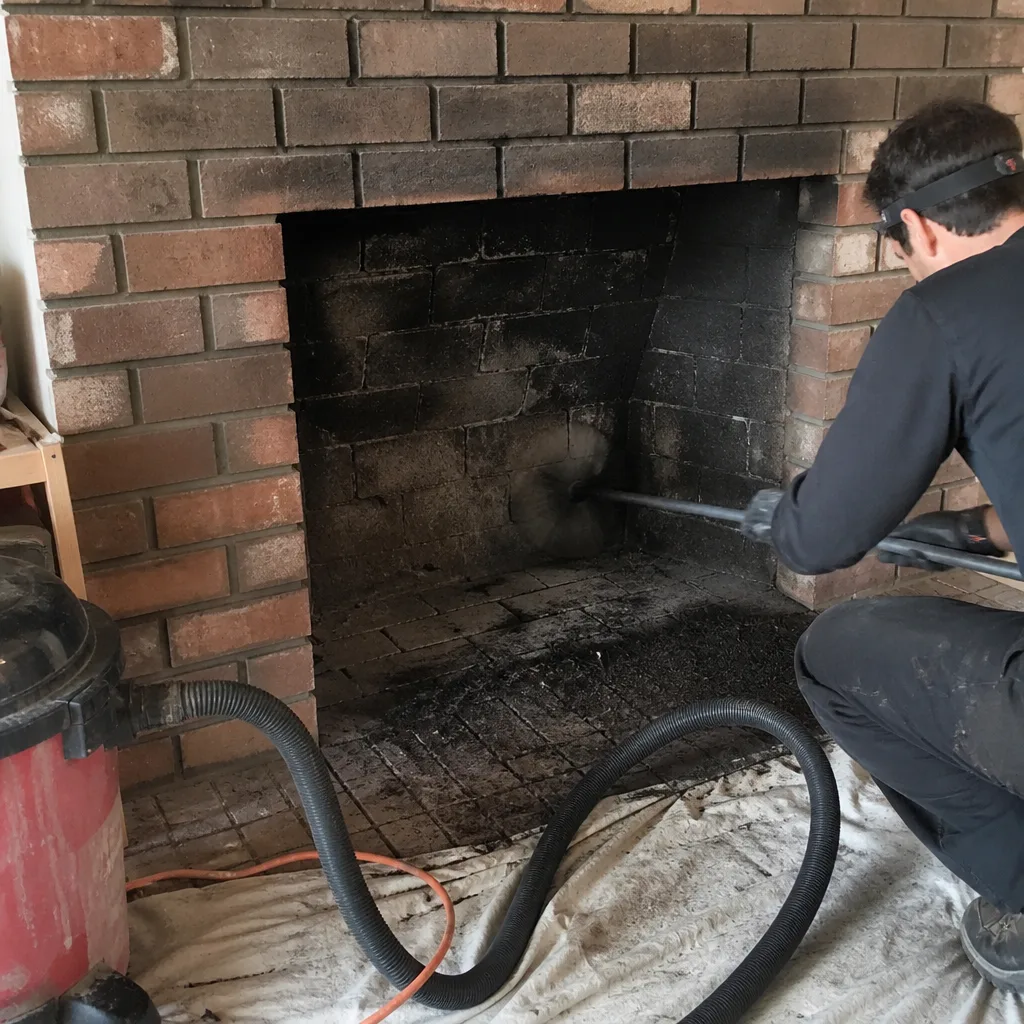 Before
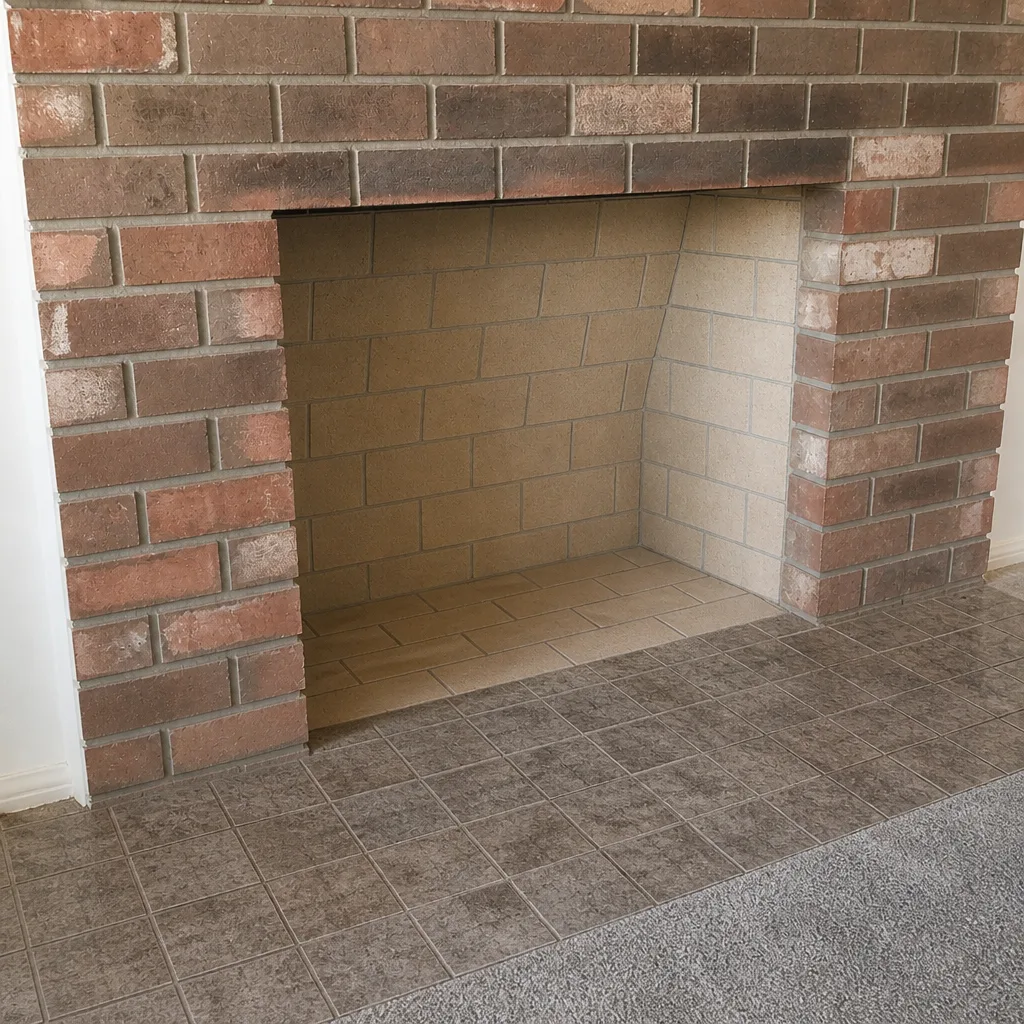 After
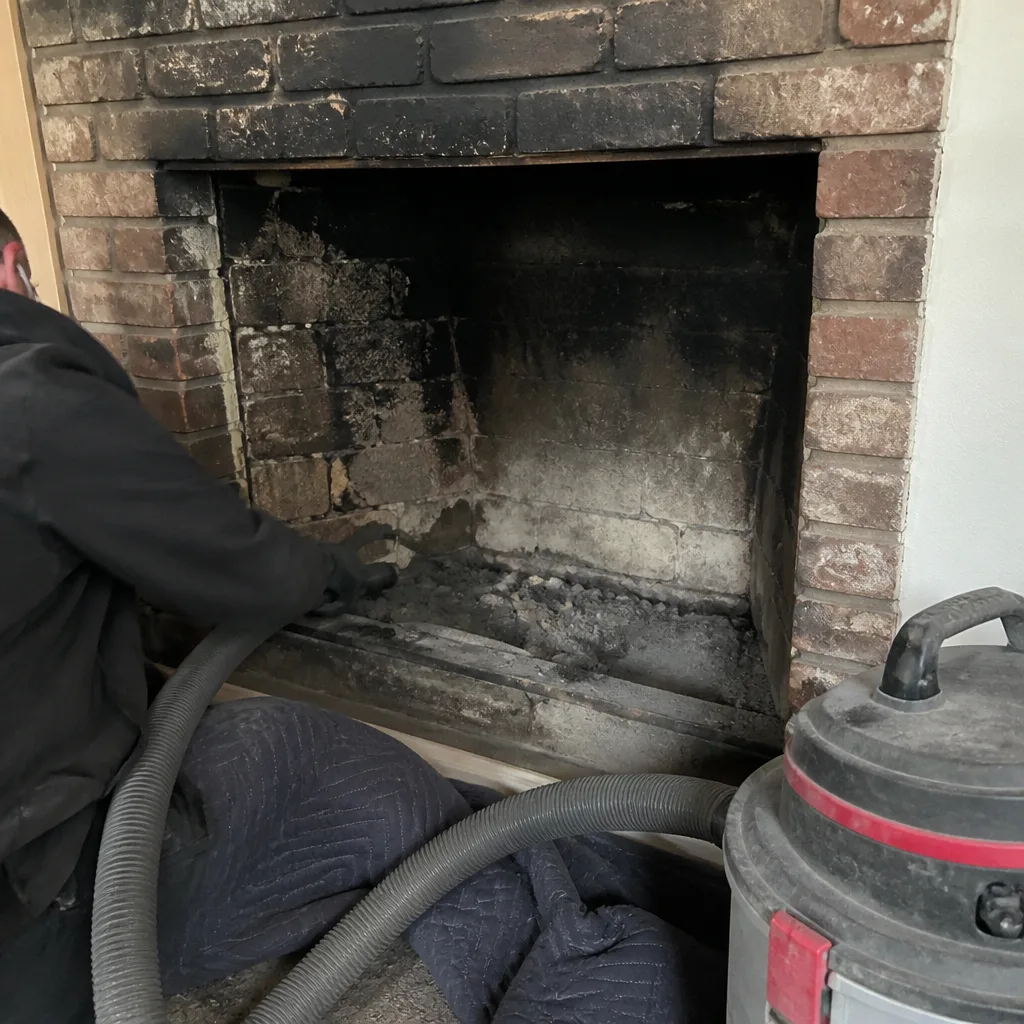 Before
 After
 Before
 After