
Last updated November 24, 2026
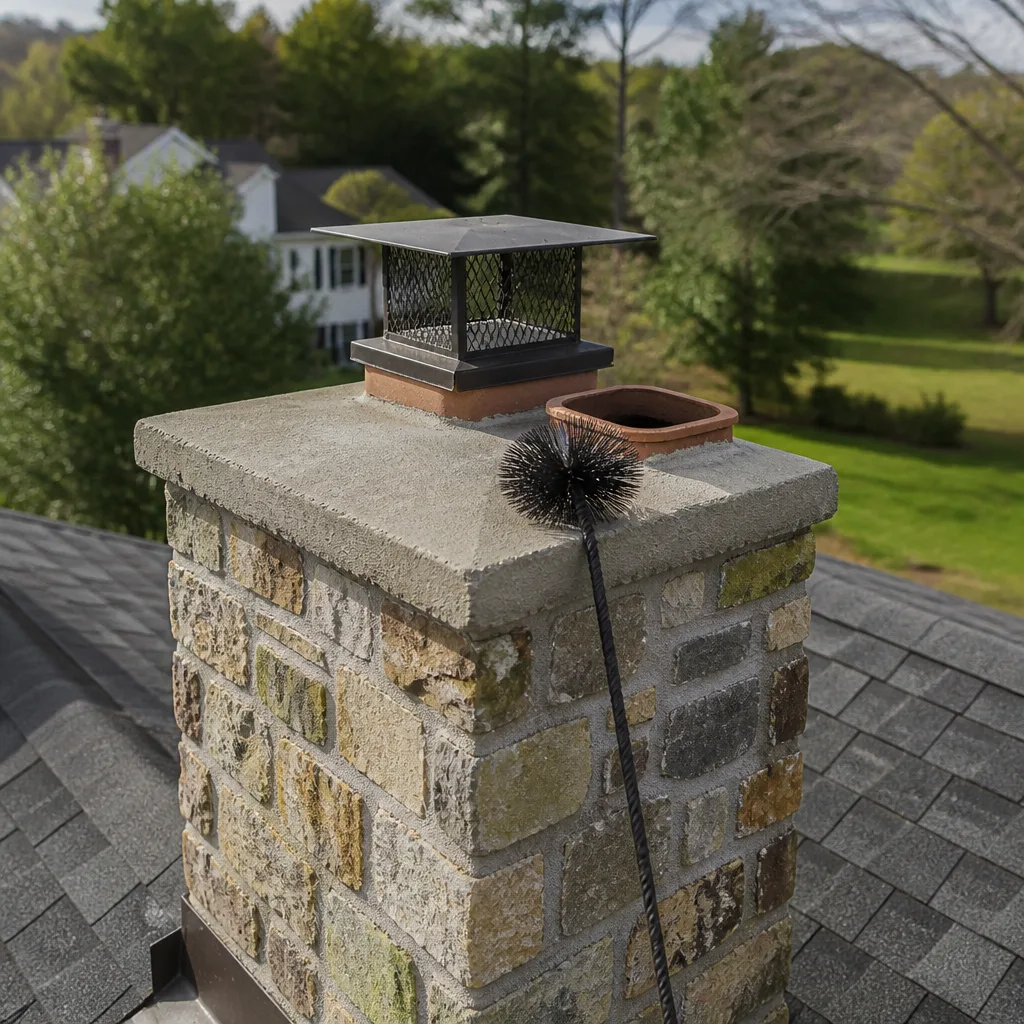 Sweep & inspection
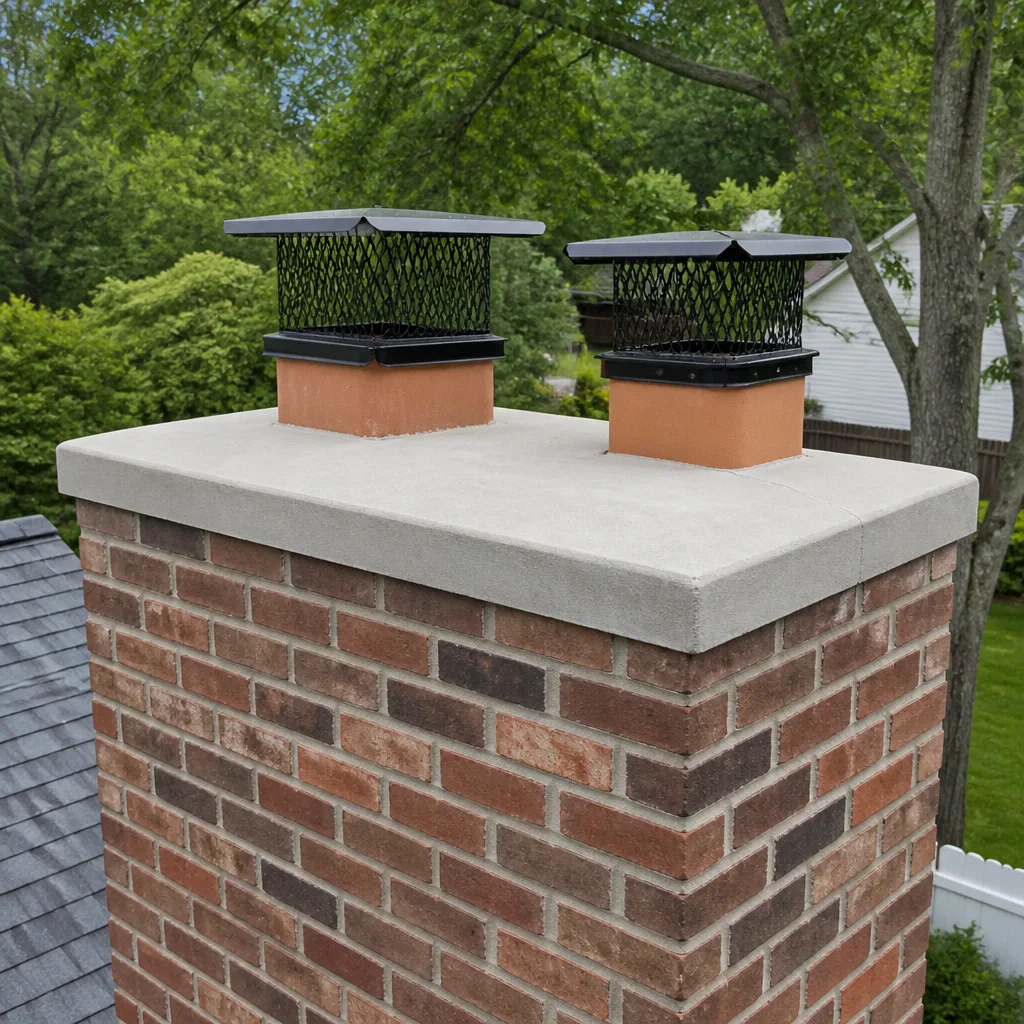 Caps & crowns
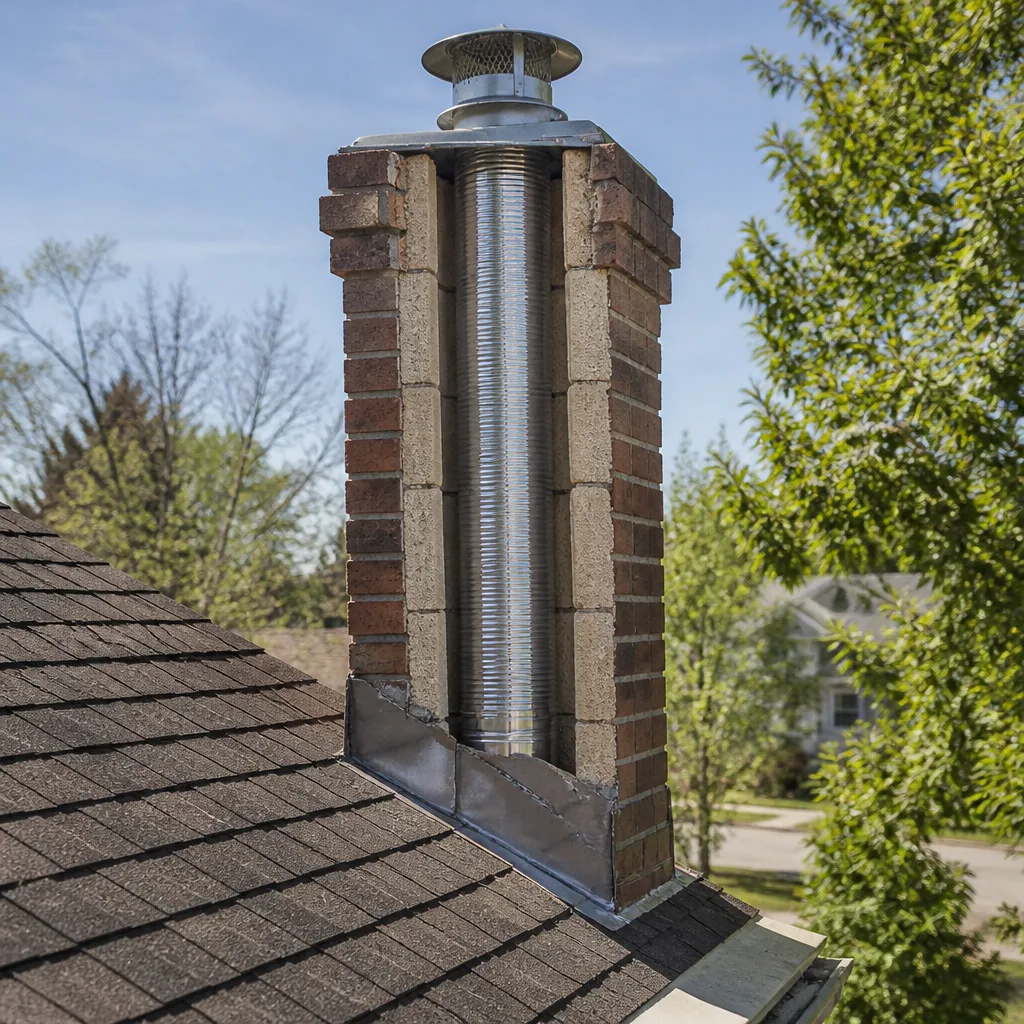 Flue relining
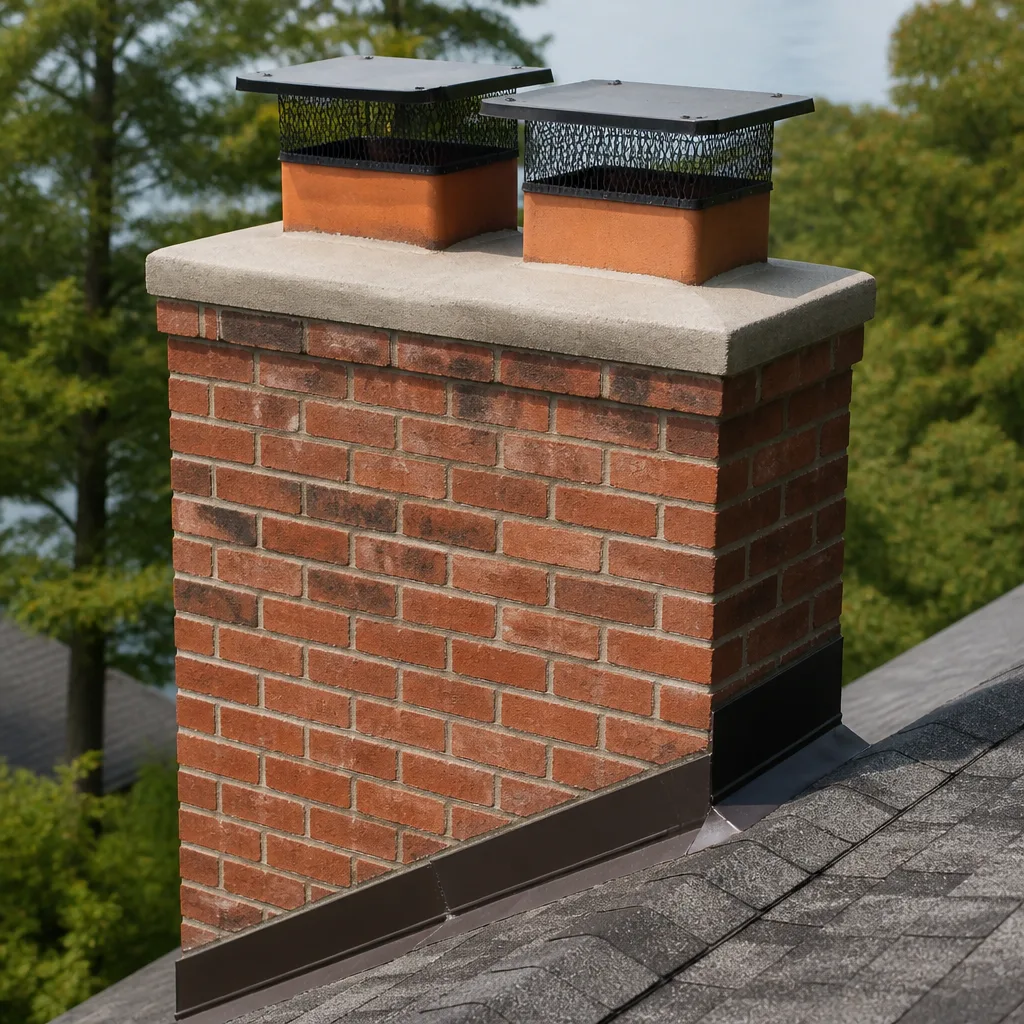 Masonry repair
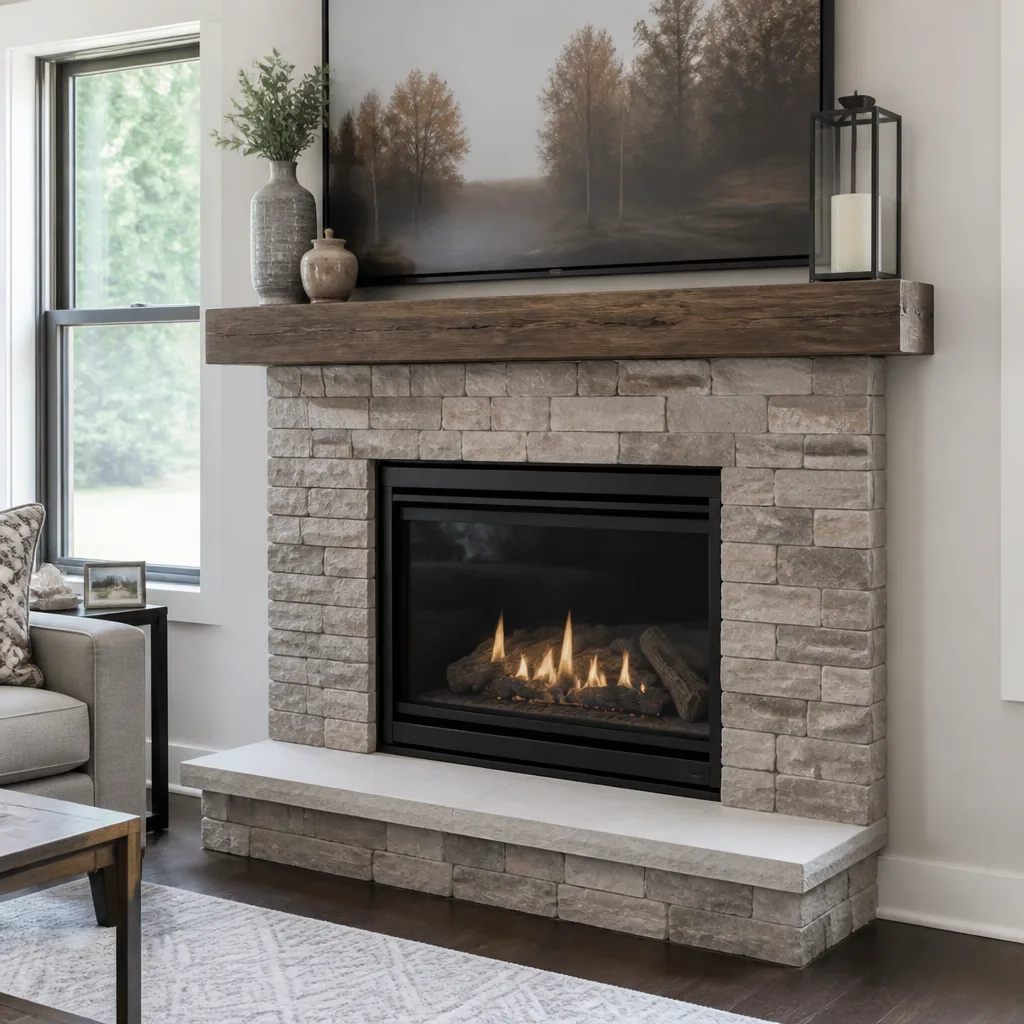 Gas fireplace service
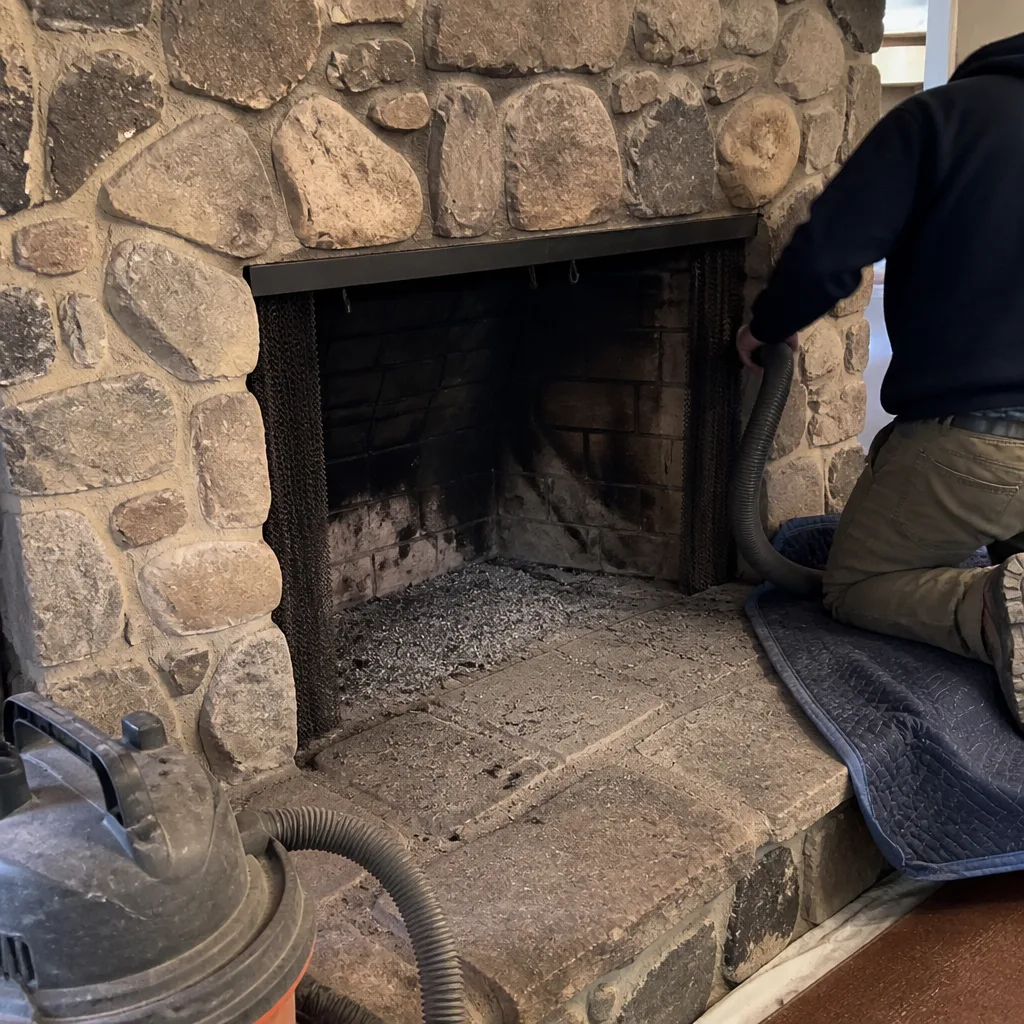
Level 1 sweep and inspection to the NFPA 211 annual standard - flue, crown, cap, and flashing checked and photographed
Chimney sweep logs do not sweep chimneys. They loosen some creosote - which then falls where a brush and vacuum still have to collect it.
Chimney Cleaning Emergency Preparedness Guide for Renton Homes
During a chimney fire, homeowners have roughly two minutes to make the right decisions. Most have never thought about what those decisions are. They don’t know the sounds that mean a fire is burning inside the flue rather than in the firebox. They don’t know that a chimney which “survived” a fire can’t be used again until it’s been properly inspected. And they don’t know that the most dangerous chimney problem in a Renton home often produces no visible sign at all. This guide walks through what a chimney emergency actually looks like, how to respond in the first moments, and the maintenance schedule that keeps most of these events from happening in the first place.
Quick Answer
A chimney emergency is a fire inside the flue, a carbon monoxide buildup from a blocked or damaged chimney, or a sudden structural failure, and all three usually announce themselves before they become critical. Prevent them with annual sweeping and inspection, a secure cap and sound crown, and working smoke and carbon monoxide detectors. If one happens, get everyone out, call 911, and don’t relight the fireplace until a Level 3 inspection clears the system. Renton Chimney Sweep Pros handles the inspection, sweep, and repair work that keeps a chimney out of the emergency category.
Styles & brands we work with
- Sweep & inspection
- Caps & crowns
- Flue relining
- Masonry repair
- Gas fireplace service
Table of Contents
- How Do You Recognize a Chimney Fire in Progress?
- What to Do in the First Two Minutes
- Carbon Monoxide and Your Chimney: The Invisible Risk
- After a Chimney Fire: Why the Chimney Is Off-Limits
- Renton’s Tree Canopy and Roofline Density
- The Preventive Maintenance Schedule That Prevents Emergencies
- Sudden Structural Failures: What to Watch For
- Building a Chimney Emergency Preparedness Kit
How Do You Recognize a Chimney Fire in Progress?
A chimney fire can be loud or nearly silent, and the quiet ones are the ones people miss. The classic signs are unmistakable once you know them: a roaring or rumbling sound like a freight train coming from the chimney, a series of pops and cracks, dense smoke or creosote flakes coming from joints or the top of the chimney, and sparks or flames visible at the cap. A sudden, sharp draft change, or the glass doors of a fireplace darkening with soot in minutes, can also signal a flue fire. Some slow-burning chimney fires produce none of this, which is why the aftermath matters as much as the event.
One of the most common things we hear is “the fireplace was burning normally, then everything changed.” That’s the pattern. Creosote that has built up on the flue walls ignites at a certain temperature, and the fire spreads up the liner fast. The firebox itself might look calm while the flue above it is burning at temperatures that can crack clay tile and warp metal.
Key warning signs to watch for:
- A roaring, popping, or crackling sound coming from inside the chimney, not the firebox
- Smoke escaping through mortar joints, the crown, or seams in the flue
- Sparks or visible flame shooting from the top of the chimney
- A hot chimney exterior, or heat felt on the wall or chase around the flue
- Creosote flakes falling onto the roof or into the yard
- A sudden smell of strong, hot creosote throughout the house
- Smoke backing up into the room despite an open damper
If you see or hear any of these, treat it as a chimney fire until proven otherwise. That’s the safest posture, and it costs you only a call. In our experience, homeowners who understand these signs act faster, and faster action is the single biggest factor in whether a chimney fire stays contained inside the flue.
What to Do in the First Two Minutes
The first two minutes of a chimney fire are about people, not property. Get out, call 911, and let the fire department handle the fire itself. Every other decision comes after that. The impulse to grab a hose or throw water on the fire is understandable and dangerous; water into a hot flue can shatter the liner and send steam and debris back into the room.
- Get everyone out of the house. Move pets and children first. Do this before anything else.
- Call 911. Tell the dispatcher you believe you have a chimney fire. Give your Renton address clearly.
- Close the fireplace doors and damper if you can do so safely. Cutting the air supply can slow the fire inside the flue. Don’t reach into or over a hot firebox to do this.
- Wait outside. Don’t re-enter the house to check on the chimney or retrieve belongings.
- Note what you saw and heard. Write it down or tell the fire crew. That information matters for the inspection that follows.
Two things not to do: don’t throw water on the fire, and don’t assume the fire is out because the sound stopped. Chimney fires can burn inside a flue for a long time and re-ignite. The fire department will check the flue temperature and confirm the fire is out before letting anyone back inside.
If you suspect a chimney fire has happened even briefly, don’t relight the fireplace after the fire department leaves. Call us and we’ll get you on the schedule for a proper inspection. This is one of those situations where a short delay costs far more than an inspection.
Carbon Monoxide and Your Chimney: The Invisible Risk
Carbon monoxide is a byproduct of any wood or gas fire, and the chimney’s job is to carry it safely outside. When that pathway breaks, CO ends up in the room. A blocked flue, a damaged or disconnected liner, a cracked crown letting water into the system, or a nest or debris blockage all produce the same result: exhaust that can’t go up, so it goes into the house. Because CO has no color, no smell, and no taste, the only way a homeowner knows it’s there is a working detector or physical symptoms like headaches, dizziness, or nausea that improve when you leave the house.
Detector placement is where we see the most avoidable mistakes. Carbon monoxide is roughly the same weight as air, so placement is about proximity to the source and airflow, not high versus low. Put a CO detector on every sleeping level and outside each sleeping area. Add one in the room with the fireplace or wood stove if you don’t already have one there. Don’t mount a CO detector directly above the fireplace, where normal combustion exhaust during lighting could give you nuisance alarms.
Why this matters especially in a chimney context:
- A flue with no cap invites birds and squirrels to nest inside, blocking the exhaust
- A deteriorated clay tile liner lets exhaust leak into the surrounding masonry and into the house
- A closed damper with an active fire is one of the most common CO sources in a wood-burning home
- A backdrafting chimney pushes exhaust into the living space instead of up
A gas fireplace has the same CO risk and often less obvious signs. If your chimney has never been inspected and you use a gas or wood fireplace, that’s the first thing to fix. Our Renton Chimney Sweep Pros team can check for flue blockages, liner damage, and proper draft as part of a standard inspection.
After a Chimney Fire: Why the Chimney Is Off-Limits
A chimney that survived a fire cannot be used again until a Level 3 inspection is completed, full stop. This is the single most important sentence in this guide. Chimney fires reach temperatures that crack clay tile liners, warp metal liners, and damage the mortar joints holding a chimney together. From the firebox, everything can look fine while the liner is broken a few feet up. Relighting the fireplace sends hot exhaust and CO through those cracks.
A Level 3 inspection is the most thorough level in the trade. It usually involves visual inspection of accessible areas plus camera inspection of the flue and, when needed, removal of components like the crown or a section of the chimney to see hidden areas. Less than that and no one can honestly say the chimney is safe.
What follows in the post-fire protocol:
- Fire department sign-off. The fire crew confirms the fire is out and the structure is safe to re-enter.
- Insurance documentation. Keep photos and notes. Your insurance company will likely want the inspection report.
- Level 3 inspection. A chimney specialist checks the full system, including the flue’s hidden interior and the surrounding structure.
- Written findings. The inspection report tells you what failed, what needs repair or replacement, and what can safely be left alone.
- Repair before reuse. Liner replacement, mortar repair, crown repair, and cap replacement happen in that order before the fireplace is lit again.
The repair often involves a liner system, and this is where product choice matters. We work with chimney repair systems including DuraFlex liners and HeatShield ceramic resurfacing. DuraFlex is a stainless liner designed for inserts and relining, and HeatShield is a ceramic resurfacing material used when the existing clay tile is still structurally sound but deteriorated on the surface. Those aren’t interchangeable. The right one depends on the condition of the flue after the fire, and that’s a decision for the inspection.
Renton’s Tree Canopy and Roofline Density
Renton’s mature trees and the close spacing of many rooflines in neighborhoods like Kennydale, Highlands, and Kennydale Highlands create a factor that most chimney guides skip: ember spread risk. A chimney fire that throws sparks or burning creosote from the top of the flue sends them into the air, and the surrounding tree canopy and adjacent roofs are the landing zone. Douglas fir, bigleaf maple, and the mixed conifers common along Renton’s hillsides are dense enough that embers can catch in needles and dry branch structure during the height of the dry season. In the wetter months the trees are less of a fuel risk, but debris still accumulates on roofs and gutters and in the branches above the roofline.
This changes a couple of practical things for Renton homeowners:
- Trim limbs back from the chimney top by at least a few feet, especially on the uphill side where nearby trees lean over the roofline.
- Keep gutters and the roof surface clear of needles and leaves during fire season, since a chimney spark can catch that debris even when the trees themselves are damp.
- Know where your gas shutoff and electrical panel are before you need them. Renton’s denser neighborhoods make quick access to those more important.
The terrain matters too. Homes on sloped lots in Renton often have a chimney that drafts differently than a chimney on a flat suburban lot, particularly when surrounding trees or the uphill slope create a wind break. If smoke has always drawn poorly on certain wind directions, that’s worth mentioning to a technician during an inspection. It’s sometimes the first clue that a flue or cap has an issue.
Wind-driven rain is the other Renton factor. That rain hits the chimney top and, without a cap and sound crown, works its way into the masonry and the flue. Moisture accelerates deterioration of clay tile and mortar joints, which is exactly what makes a chimney emergency more likely. A proper chimney cap & crown is one of the highest-value preventive measures in this climate.
The Preventive Maintenance Schedule That Prevents Emergencies
The National Fire Protection Association and the Renton Fire Department align on the core recommendation: chimneys should be inspected annually and swept as needed. The “as needed” part is the detail most homeowners miss, and it’s what determines whether creosote builds to a dangerous level between cleanings. For most Renton households burning a couple of cords of wood through the heating season, that means one annual sweep before the burning season starts, timed to catch problems before December and January, when the fireplace runs most.
Here’s how the schedule breaks down by what each interval actually protects against:
- Annual inspection (every year, all chimneys): Catches liner cracks, cap damage, crown deterioration, and creosote buildup before they become a fire or CO risk. Applies whether you burn wood or gas.
- Annual sweep (wood-burning, when the inspection calls for it): Removes creosote deposits. The amount of creosote depends on how hot your fires burn, the wood you use, and your flue design.
- Cap and crown check (annually with the inspection, plus after major storms): Blocks moisture, animals, and embers. A damaged cap is a common upstream cause of bigger repairs.
- After any chimney fire, regardless of how minor it seemed: Level 3 inspection before reuse.
- After a chimney or roof repair, or after any change to the chimney’s immediate surroundings: Inspection to confirm draft and venting haven’t changed.
- Before putting a home on the market, and after buying one: Inspection by a chimney specialist, not a general home inspector.
Our technicians have up to 12 years of experience, and the pattern we see most often is that the sweeps and inspections were skipped for two or three seasons before the problem showed up. The chimney didn’t fail suddenly. It just wasn’t looked at. The chimney sweep isn’t just a cleaning; it’s the checkup that makes everything else in this guide less likely to be needed.
Sudden Structural Failures: What to Watch For
Chimneys fail structurally for two reasons in Renton: water and fire. Water gets into masonry through a missing cap, a cracked crown, or failed flashing at the roof line. Fire damages the interior of the flue first, invisible from the outside. Either way, the warning signs tend to appear on the exterior of the chimney before the chimney comes down.
Watch for:
- Spalling brick: the face of the brick flaking off, often after a freeze-thaw cycle
- Visible cracks in the mortar joints or the crown
- White staining on the mortar, called efflorescence, that means moisture is running through
- A chimney that leans, even slightly
- Chunks of mortar or brick on the roof or in the yard
- Water stains on the ceiling or wall near the chimney after a storm
A chimney with any of these should not be used until a specialist has looked at it. The repair is often a crown rebuild, tuck-pointing, or a liner install, and the longer it waits the more of the chimney gets involved. This is also where our fireplace repair work connects to the chimney itself; a firebox that’s been pulling against a damaged flue often has its own issues to fix.
If you’re on a sloped lot in Renton, check the base of the chimney after heavy rain. Water pooling or running down the side of the chimney is often the first visible sign of a problem.
Building a Chimney Emergency Preparedness Kit
Most of what you need is already in your house. What makes it an emergency kit is having it in one place and knowing how to use it. The point isn’t gear for fighting a chimney fire yourself; it’s gear for getting out safely and giving the fire department what they need.
- Working smoke detectors on every level and outside each sleeping area, tested monthly
- CO detectors on every sleeping level and near the fireplace room
- An ABC-rated fire extinguisher in the kitchen and near the fireplace, checked for charge
- A written escape plan with a meeting spot outside, practiced with everyone in the household
- The number for 911 and (877) 792-7176 posted where you can find it from outside the house
- A flashlight near the exit, since smoke can make an interior dark fast
- A sealed folder with your prior inspection reports and the make and model of your fireplace system
Two additions that are specific to chimney systems. Keep a note of the approximate date of your last sweep and any repairs. Emergency crews and our technicians both want to know when the chimney was last serviced. And keep a copy of your insurance policy number somewhere accessible, because a chimney fire is one of the few home events where you’ll want to call insurance the same day.
Call (877) 792-7176. We answer 24/7. Fast dispatch from 7am to 7pm, Sunday through Friday. If your chimney starts acting up on a Saturday, call and we’ll book you the next available slot.
Common Mistakes to Avoid
- Skipping the inspection because the sweep came back clean. The sweep cleans the flue. The inspection checks the whole system, including the cap, crown, liner, and joints. A clean flue can still have a dangerous crack.
- Assuming a faint creosote smell is normal. It isn’t. It can mean creosote is forming faster than you’re burning it off, which puts you on track for a flue fire. Especially in a cold Renton winter, when slow-burning fires produce more creosote per cord.
- Throwing water on a chimney fire. A hot flue hit with water can shatter the liner and force steam and smoke back into the room. Get out and call 911.
- Relighting the fireplace “just to check” after a chimney fire. A chimney that survived a fire is off-limits until a Level 3 inspection clears it. There is no way around that rule.
- Hiring a general handyman for chimney work. Chimney systems have specific parts and specific failure modes. A chimney that’s been swept by a generalist isn’t the same as one looked at by a chimney specialist.
- Letting tree limbs stay in contact with or near the chimney top. In Renton’s denser neighborhoods, limbs touching or leaning over the cap are a fire-spread path during a chimney fire and a source of debris on the roof.
- Skipping a cap because “it looks fine from the ground.” Caps rust, loosen, and warp. A cap that’s been on for more than a few winters should be checked during inspection.
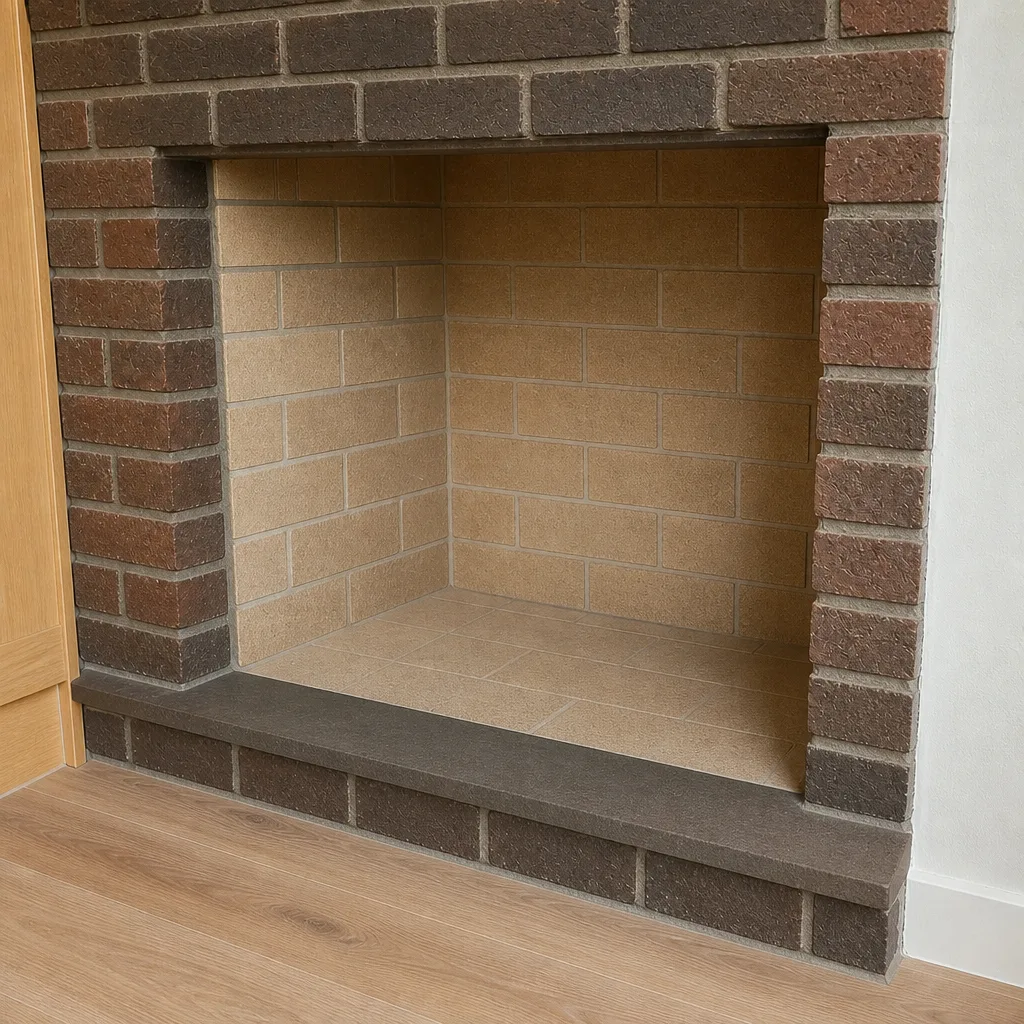
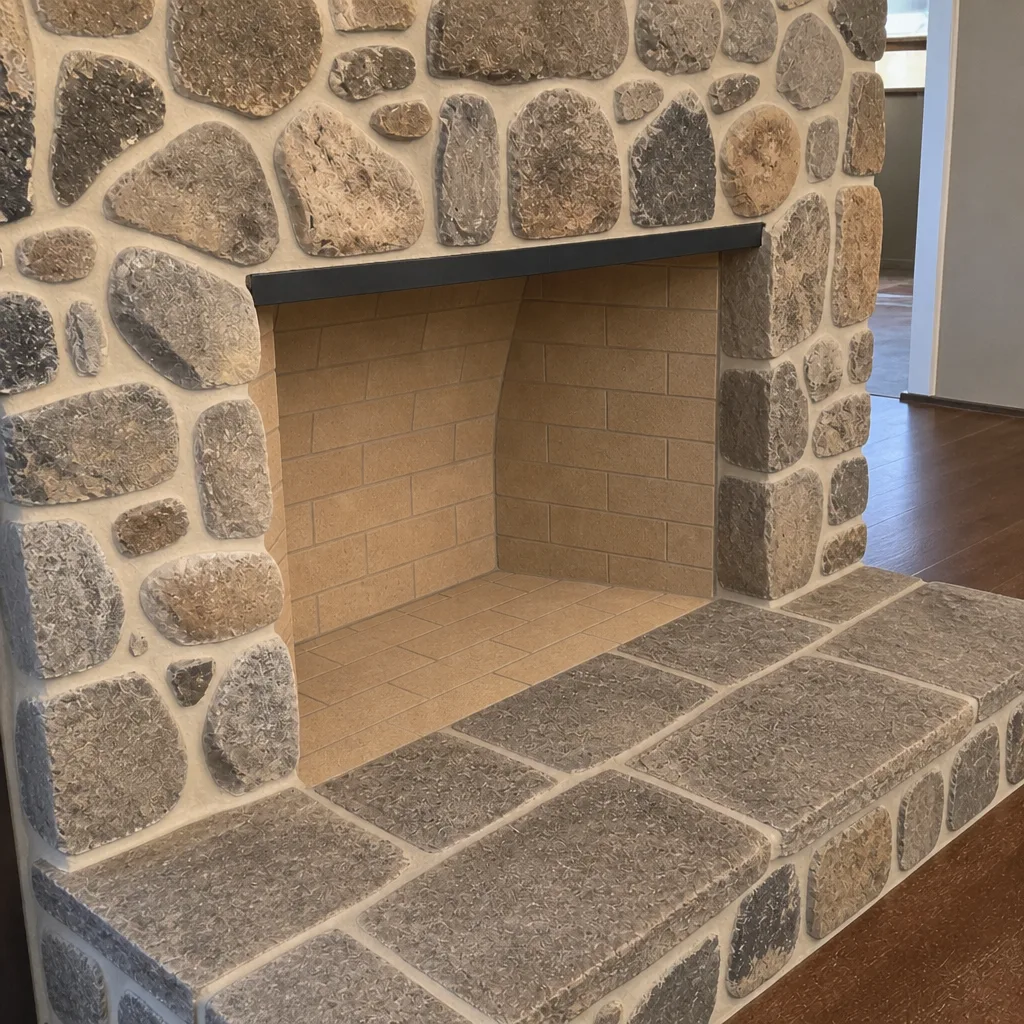
See the difference
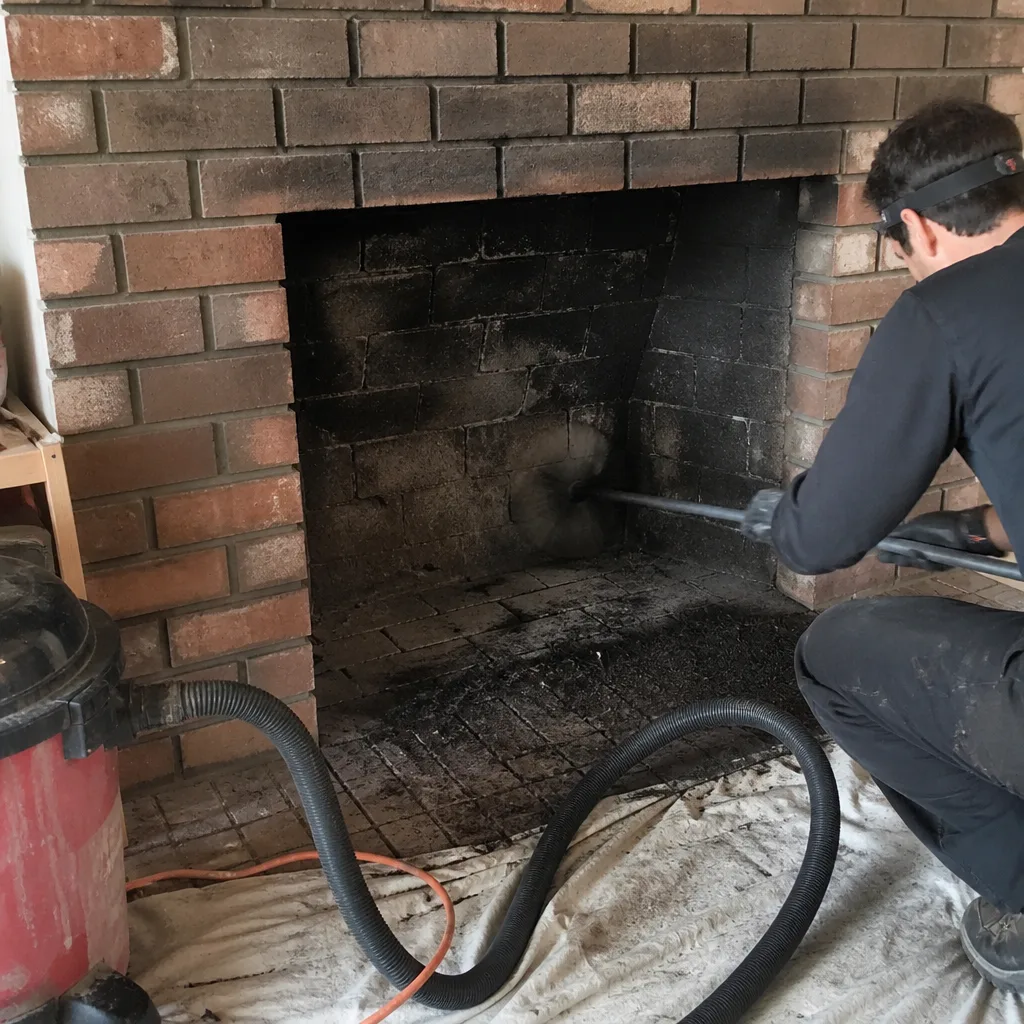 Before
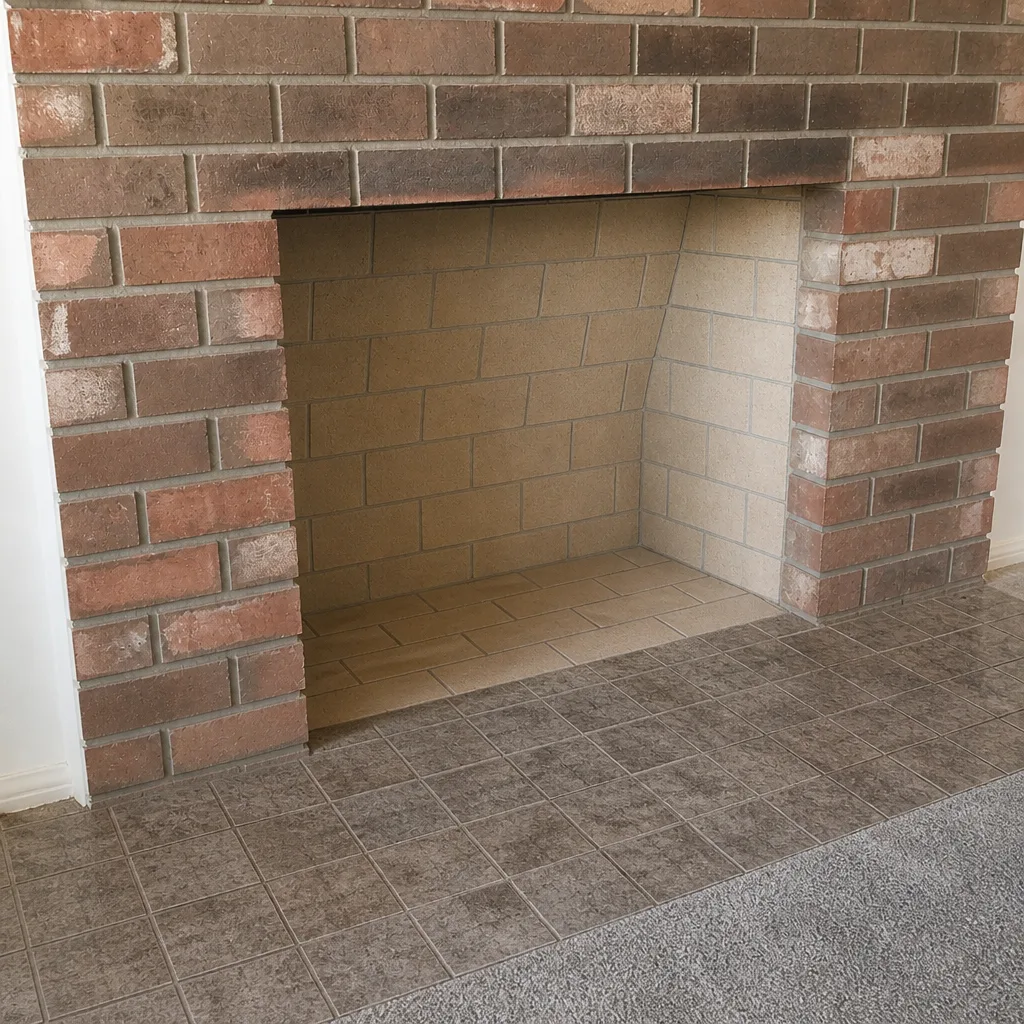 After
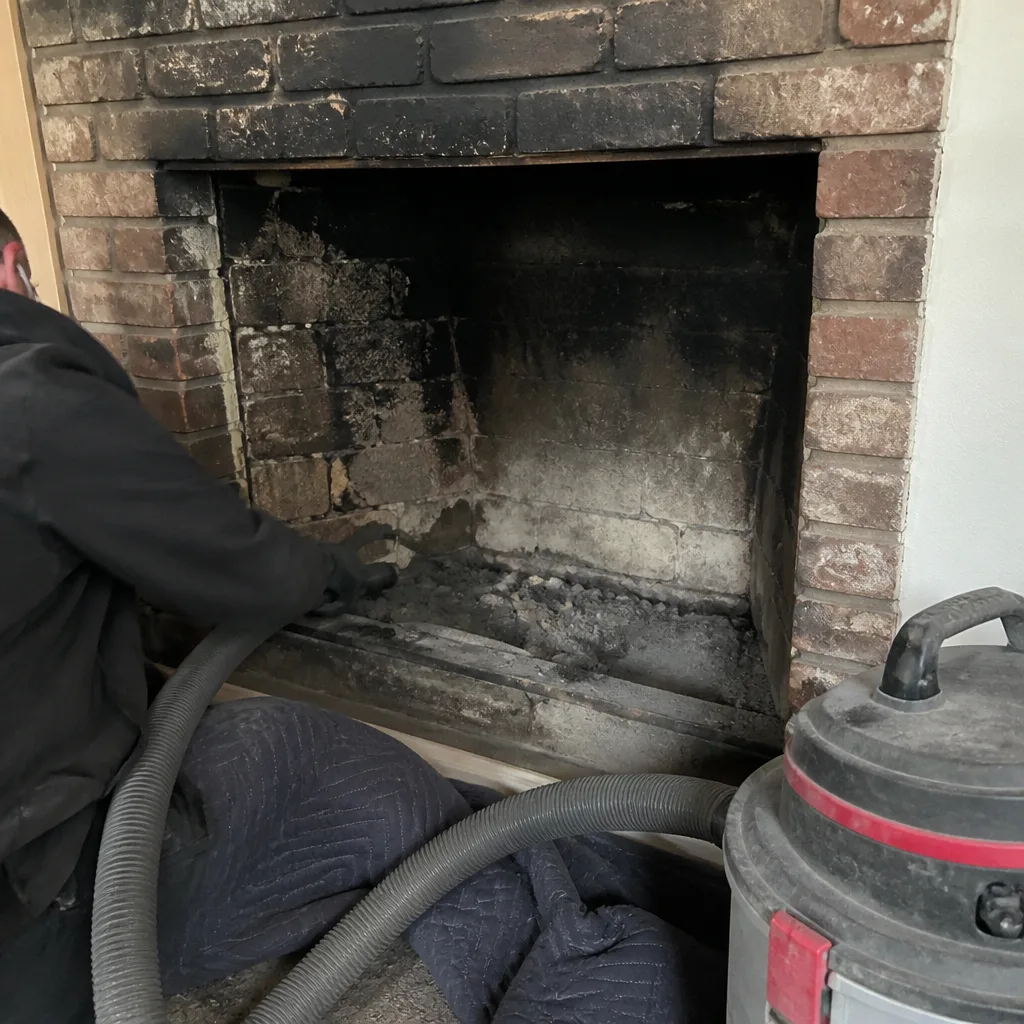 Before
 After
 Before
 After
When to Call a Professional
Call a chimney specialist when any of the following is true: a chimney fire has happened, even briefly; smoke backs up into the room during a fire; you smell strong creosote in the house; you’ve seen spalling brick, cracked mortar, or a leaning chimney; your carbon monoxide detector has ever alarmed; or you haven’t had the chimney inspected within the last year and you use it regularly. Call us if you’re unsure whether a symptom is a problem; that’s what the inspection is for. Renton Chimney Sweep Pros offers free estimates in Renton. Call (877) 792-7176.
Frequently Asked Questions
Most wood-burning chimneys in Renton should be swept once per year, and the sweep should be based on the annual inspection rather than a fixed schedule. If you burn heavily through the winter, or burn green or unseasoned wood, the inspection may call for more frequent sweeping. Gas fireplaces still need an annual inspection even though they don’t produce the same creosote. Call (877) 792-7176 to get on the schedule before the burning season starts.
A chimney fire shows up as a roaring or rumbling sound from inside the chimney, popping and cracking, smoke from joints or the cap, sparks or flames at the top, and creosote flakes falling outside. Some fires are quiet and only the inspection afterward catches them. If you see or hear any of these, call 911, get out of the house, and don’t relight the fireplace until a specialist has inspected it. Call (877) 792-7176 after the fire department has cleared you to re-enter.
No, not until a Level 3 inspection has been completed and cleared the chimney. Chimney fires can crack tile liners and damage mortar, and the damage is often invisible from the firebox. A Level 3 inspection uses camera inspection and, if needed, removal of components to see the hidden interior. That’s the standard, and it exists for a reason. Call us and we’ll walk you through the inspection process.
Yes. A chimney is a ventilation system, and any break in that system sends exhaust into the house. Put a CO detector on every sleeping level, outside each sleeping area, and in the room with the fireplace. Test it monthly and replace it per the manufacturer’s instructions. If it ever alarms, get everyone outside and call 911 first, then call us to inspect the chimney. Call (877) 792-7176 for a CO-related inspection.
Check it from the ground with binoculars. A cap that’s rusting through, visibly loose, missing mesh, or sitting at an angle is ready to be replaced. A damaged cap lets rain and animals into the flue, and both lead to bigger repairs. We offer cap installation using Gelco and Olympia Chimney components built for the climate here. Call (877) 792-7176 for a free estimate.
Gas fireplaces don’t produce creosote the way wood fires do, but they still need an annual inspection of the flue, venting, and cap. A blocked or damaged vent on a gas fireplace is a carbon monoxide risk. The inspection is cheaper than the repair it prevents. Call (877) 792-7176 to schedule one.
The Bottom Line
Chimney emergencies in Renton are almost always the end of a chain of small misses: the inspection that got skipped, the cap that was never checked, the fire that wasn’t noticed. The preventive maintenance schedule is straightforward. Yearly inspection, sweep when called for, cap and crown kept in good shape, and a Level 3 inspection after any chimney fire. That schedule is the whole plan. If you’re unsure where your chimney stands, an inspection answers the question, and the written report tells you exactly what to fix and what can safely wait. Call Renton Chimney Sweep Pros at (877) 792-7176 for a free estimate. We answer 24/7. Fast dispatch from 7am to 7pm, Sunday through Friday.
Written by the team at Renton Chimney Sweep Pros.