
Last updated November 24, 2026
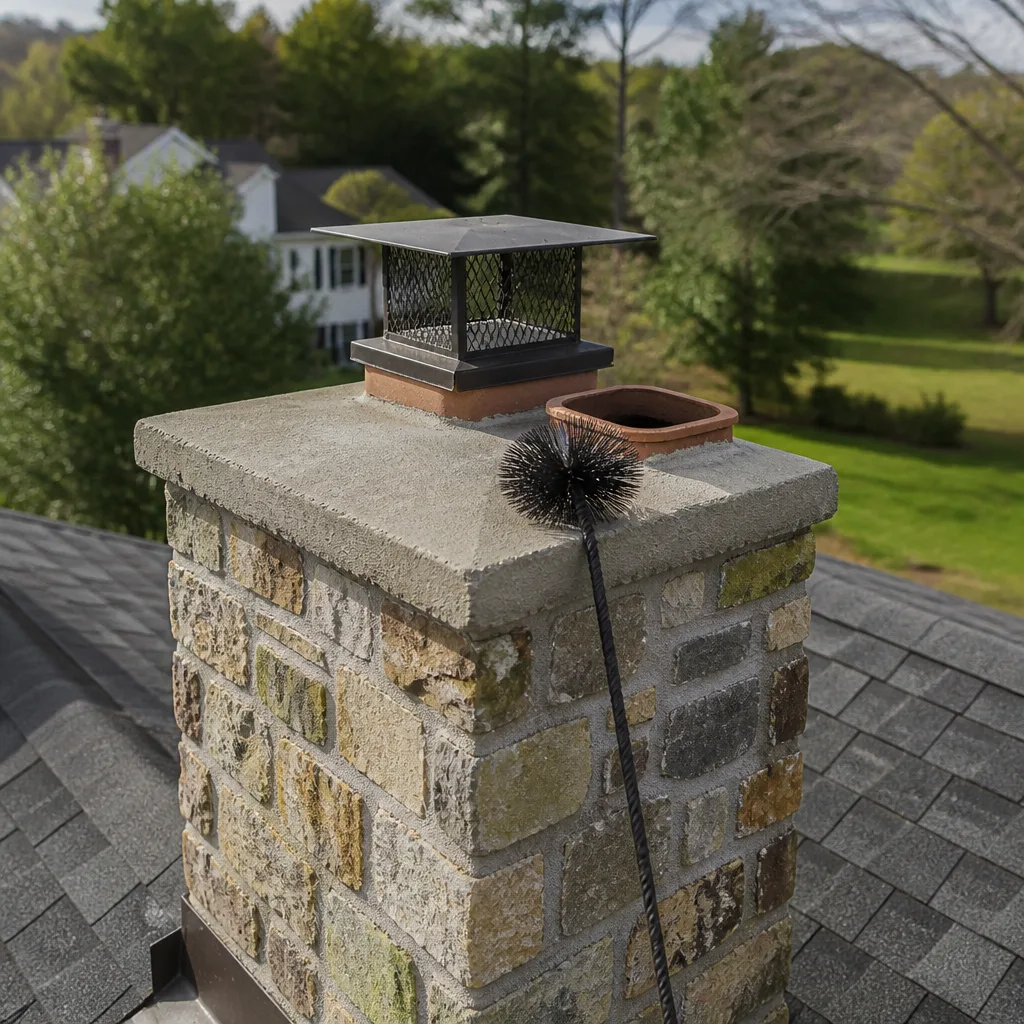 Sweep & inspection
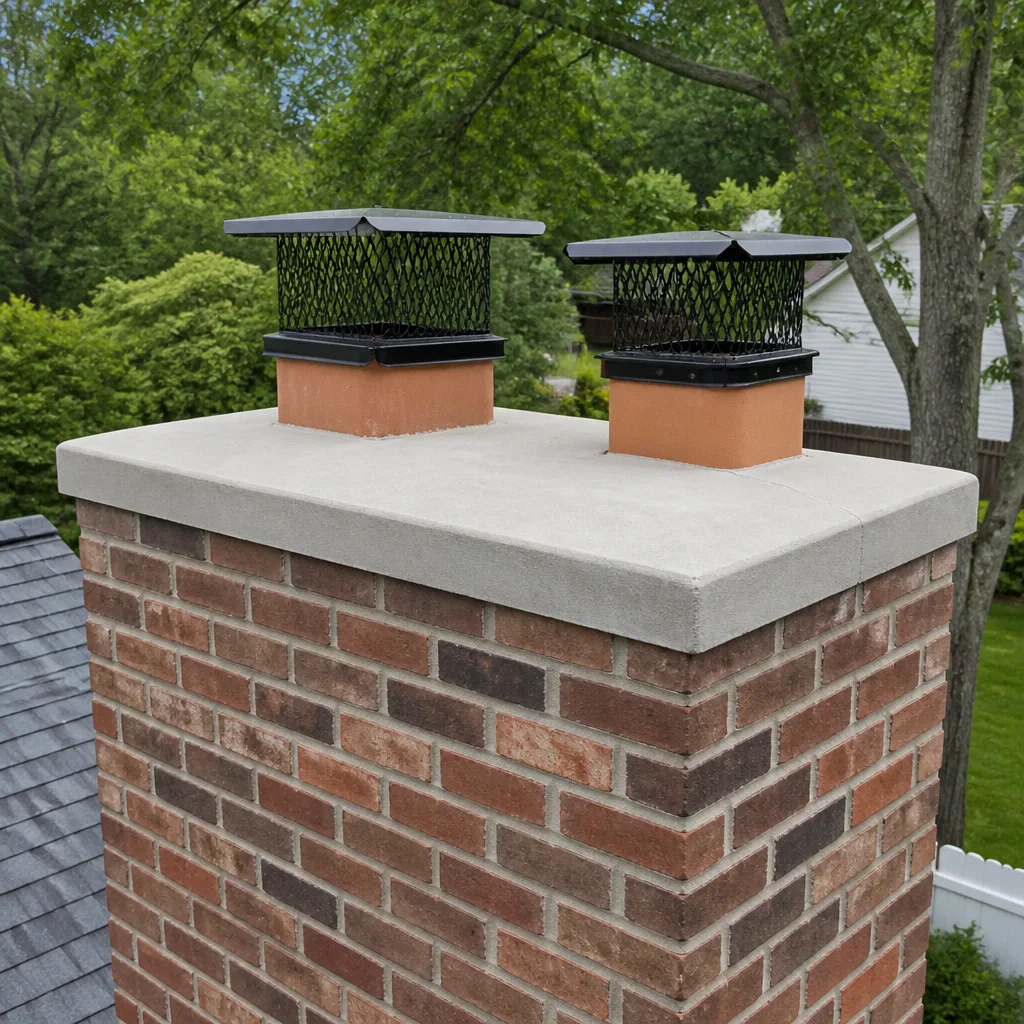 Caps & crowns
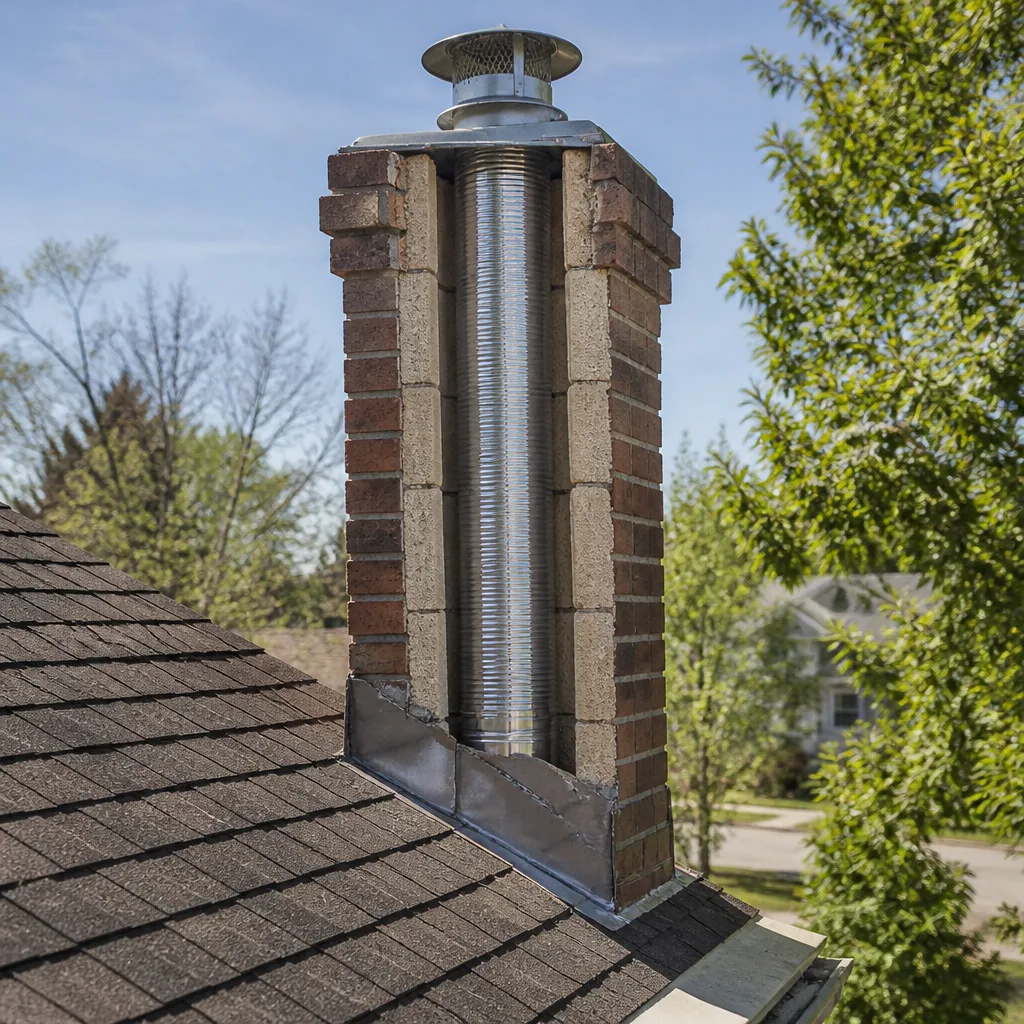 Flue relining
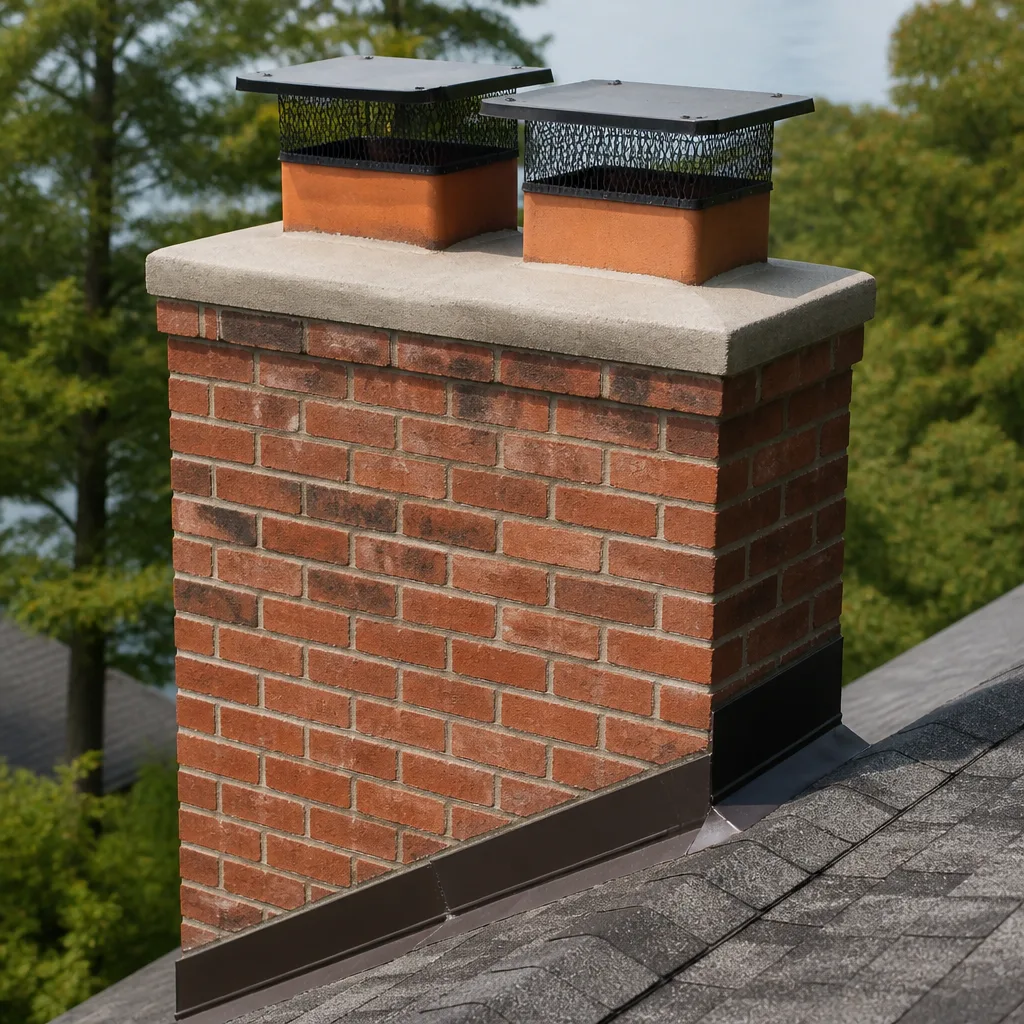 Masonry repair
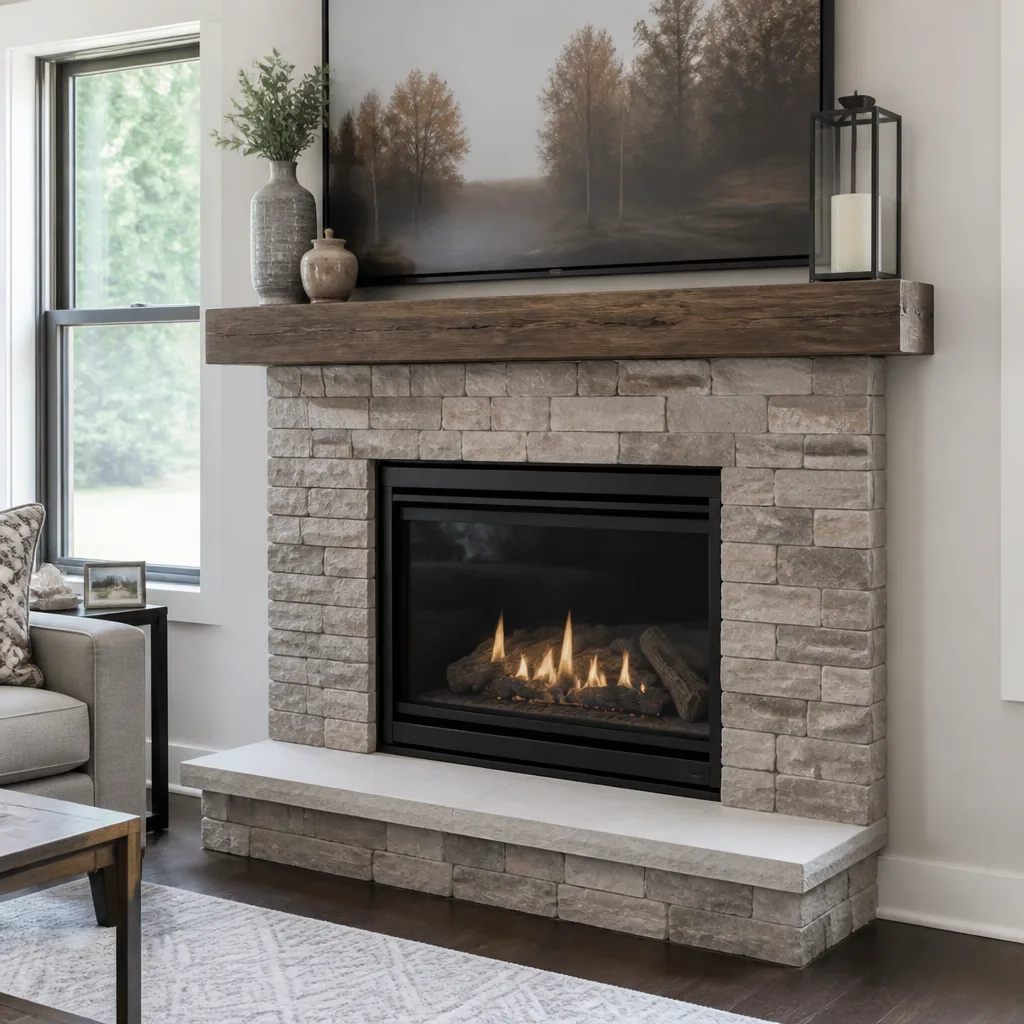 Gas fireplace service
Level 1 sweep and inspection to the NFPA 211 annual standard - flue, crown, cap, and flashing checked and photographed
Chimney sweep logs do not sweep chimneys. They loosen some creosote - which then falls where a brush and vacuum still have to collect it.
Chimney Cleaning Cost Breakdown: The Renton Homeowner’s Reference for 2026
That $89 sweep special in the local ads covers roughly twenty minutes of brush work, and the number tells you almost nothing about what your chimney actually needs. Chimney cleaning prices in Renton genuinely vary, and not because contractors are making up numbers. Scope, liner type, chimney height, and how much creosote has built up all change the job. A quote is only useful once you know what each line item buys. This guide breaks down base sweep pricing in the Renton market for 2026, the variables that legitimately move the number, what add-on services should cost, and how to read a quote so you can tell a real deal from a scope reduction.
Quick Answer
A routine chimney sweep in Renton typically runs $150 to $290 in 2026, and a Level 2 inspection usually adds $100 to $250. The final price depends on chimney height, the number of flues, creosote stage, liner material, and how hard the roof access is. A written estimate sets the final price, and that estimate should always be free.
Styles & brands we work with
- Sweep & inspection
- Caps & crowns
- Flue relining
- Masonry repair
- Gas fireplace service
Table of Contents
- What a Base Sweep Costs in Renton in 2026
- What Legitimately Changes the Price
- Line-Item Breakdown of Common Add-On Services
- How to Read a Chimney Quote
- The Cost Math of Putting Off a Cleaning
- What Liner Work Actually Costs
- Inspection Levels and What They Buy You
- Why Renton Chimneys Age the Way They Do
What a Base Sweep Costs in Renton in 2026
A standard chimney sweep in Renton for a single-flue wood-burning fireplace typically ranges from $150 to $290 in 2026. That price should include more than running a brush up the flue. Here’s what a base sweep at that price covers at minimum:
- Setup of drop cloths and a sealed vacuum so no soot enters the living space
- A brush and rod sweep of the full flue from the firebox to the top
- Removal of the creosote and soot that come down
- Cleaning of the firebox floor and the smoke shelf
- A visual check of the damper, firebox, and accessible flue sections
- A photo report or verbal summary of condition
If a quote is well under that range, ask what’s being skipped. Common cuts are the smoke shelf (which collects a surprising amount of debris), the firebox floor, and the internal camera check. Some low bids also skip the drop cloth and vacuum setup, which means the dust lands in your living room instead of the truck.
Gas fireplace service is a different scope and usually priced lower, because gas appliances don’t accumulate creosote the way wood does. A gas fireplace cleaning in Renton typically runs $100 to $180 and focuses on the firebox, burner, and venting rather than a full flue sweep. If you’re not sure which you have, a Renton Chimney Sweep Pros technician can tell from the appliance tag.
Multi-flue chimneys cost more. A single chimney structure with two flues (for example, a fireplace plus a furnace vent) typically adds $50 to $100 to the base sweep. Each flue gets swept separately, and the count matters more than the height when you’re reading a quote.
What Legitimately Changes the Price
Five factors explain almost every legitimate price difference between two quotes for what sounds like the same job. If a contractor can’t point to one of these when you ask why their number is higher, that’s a problem.
- Chimney height. A 15-foot flue takes less time and fewer rods than a 30-foot one. Most Renton-area homes have chimneys in the 18 to 28-foot range once you account for the roofline pitch. Taller chimneys add roughly $25 to $75.
- Number of flues. Every flue is a separate sweep. A two-flue chimney might add $50 to $100, and a three-flue could add $100 to $150.
- Creosote stage. This is the biggest single variable. Stage 1 (soot and light flake) sweeps out at the base price. Stage 2 (hard, shiny, tar-like deposits) takes more time and more technique, and typically adds $75 to $200. Stage 3 (glazed, dense) usually can’t be swept and requires chemical treatment or liner replacement.
- Liner material. A clay tile flue responds to a standard poly brush. A stainless steel liner needs a different brush to avoid scratching, and a deteriorated clay liner with spalling faces means slower work. Some liner systems also need a camera to verify condition before and after the sweep.
- Access difficulty. Easy roof access, a walkable pitch, and a clear path to the chimney add nothing. Steep roof angles, a chimney boxed in behind a steep gable, or a flue accessed from a tight basement all add labor. Expect $50 to $150 in access premiums for the harder jobs.
You’ll notice that “the neighborhood” isn’t on that list. A chimney in Kennydale has the same physics as one in Renton Highlands. What changes is the house: age, roof pitch, liner type, and how often it’s been swept. Be skeptical of a quote that’s higher or lower than others for reasons that don’t trace back to one of the five variables above.
Line-Item Breakdown of Common Add-On Services
Add-ons are where quotes get confusing, because “inspection” and “Level 2 inspection” aren’t the same thing and “minor repointing” has a broad range. Here’s what the common add-ons typically cost in the Renton market in 2026, as separate line items:
- Level 1 visual inspection: Usually included in a routine sweep at no extra charge. Covers accessible portions of the firebox, damper, and flue from the roof or firebox.
- Level 2 inspection: $100 to $250. Includes a full camera scan of the flue interior, a check of all accessible connections, and a written report with photos. Required when you change appliances, after a chimney fire, or before a home sale.
- Level 3 inspection: $300 to $800+ depending on what needs to be opened up. Reserved for situations where a hidden defect is suspected and portions of the chimney or adjacent framing have to be accessed.
- Cap replacement: $150 to $450 for a standard stainless cap, more for custom sizes or copper. A chimney cap & crown service prevents rain and animal intrusion, which is the single cheapest way to extend the life of a flue.
- Crown repair or rebuild: $300 to $1,200 for the crown alone, depending on extent. Cracks in the crown leak water into the chimney structure.
- Smoke test: $150 to $350. Verifies that smoke actually drafts up the flue and doesn’t leak into the house. Worth it any time you smell smoke indoors on a cold morning.
- Minor repointing: $200 to $600 for spot work on the firebox or exterior mortar joints. Repointing resets the mortar between bricks and stops the slow erosion that leads to bigger structural repair.
- Fireplace damper repair or replacement: $150 to $400, depending on type. A stuck or missing damper wastes heat and lets cold air down the flue all winter. This one usually comes up on our fireplace repair calls.
Not every sweep needs every add-on. The right add-ons are the ones the inspection actually justifies, backed by photos you can see yourself.
How to Read a Chimney Quote
Reading a chimney quote comes down to one question: does the lower number buy less work, or the same work for less money? Here’s how to tell, step by step.
- Check the scope, not just the total. Does the quote name the number of flues and the height? Does it confirm the inspection level? Vague quotes hide scope cuts. A quote that says “sweep chimney” without those details is unknowable until the technician is on the roof.
- Look for the included inspection. A basic visual inspection should be part of a base sweep at no extra charge. If the quote bills inspection separately, that’s fine as long as the level is named (Level 1 vs. Level 2). If it’s unlabeled, assume Level 1.
- Confirm the disposal and cleanup. Soot and creosote removal, drop cloths, and vacuum setup should be listed or implied. A “sweep only” line without cleanup is a red flag for a low-bid scope reduction.
- Cross-check the add-on prices against the ranges above. A Level 2 inspection quoted at $600 isn’t automatically wrong, but ask why: difficult access, multiple flues, a camera you’ll see? If the answer isn’t specific, move on.
- Ask for the report format. Any chimney quote that includes Level 2 should include a written report with photos. A verbal “you need a liner” without images is the biggest objection homeowners raise in this trade, and the reason is simple: they can’t verify it. You should always be able to see what the technician sees.
- Read the “recommended” vs. “required” separation. A good quote separates what must be done now (safety) from what can wait (planning). If everything is urgent, ask why. Sometimes “the liner has another year or two” is the honest answer, and a professional will say so.
When those six checks come back clean, a higher bid is often buying you the right scope and the right parts, not padding. And a low bid that fails any of them is a scope reduction dressed up as a deal.
The Cost Math of Putting Off a Cleaning
Deferred cleaning is where chimney pricing gets genuinely expensive. A routine annual chimney sweep runs $150 to $290. Letting creosote build to Stage 2 pushes the sweep alone to $225 to $490 because removal takes longer and often requires chemical treatment. That’s the cheaper end of the math. Here’s the sequence of what skipping cleanings costs:
- Routine sweep: $150 to $290 per year
- Stage 2 creosote removal: $225 to $490
- Stage 3 glazed creosote removal or chemical treatment: $400 to $900, and sometimes the flue can’t be cleaned and needs a liner instead
- Post-chimney-fire cleanup and repair: $1,500 to $8,000 depending on how much of the flue and surrounding masonry sustained damage
- Full liner replacement: $2,800 to $6,500 or more for a stainless liner system sized to the flue, more if the chimney has structural damage
Notice the jump from the annual sweep to the post-fire cleanup. That’s the cost math of deferral. A chimney fire is a direct creosote event: the deposits that were never swept ignite, and the flue that contains them usually takes the damage. We’re not in the business of scaring anyone into a booking, and we’d rather tell you “see you next year” than sell you a liner you don’t need. But it’s fair to point out that skipping two or three annual cleanings costs more in the end than every sweep you skipped combined, in most of the cases we see.
Renton’s wet winters matter here. A damp flue accelerates creosote formation on top of whatever’s already coating the walls. A cap that keeps rain out and a routine sweep that starts each heating season with a clean flue both work the same direction: less creosote, less cost, less risk.
What Liner Work Actually Costs
Liner work is the biggest line item on a chimney quote, and it’s also the most misread. Not every deteriorated flue needs a full replacement liner. Sometimes resurfacing is enough. Here’s the split:
- HeatShield ceramic resurfacing: $1,200 to $2,800 for a standard flue. This is a ceramic-based product applied to the interior that rebuilds the flue surface without removing the existing liner. For a clay flue with spalling or minor cracks, resurfacing can restore the flue to working condition for well under the cost of full replacement. It’s a specialized service, and not every sweep-only company has the capability.
- Full stainless liner installation (DuraFlex): $2,800 to $6,500 typical for a standard residential flue, more for oversized or irregular flues. A stainless liner is the permanent answer to a failed clay flue.
- Insulated liner: Adds $400 to $1,200 on top, depending on the wrap and height. Insulation matters more than most homeowners realize because it keeps the flue gases hot, which reduces creosote formation.
The final call between resurfacing and replacement comes down to how much of the original flue structure is intact and what kind of appliance is venting into it. We specify the right product for your liner type, and that’s a diagnostic decision, not a sale. Ask specifically why one path was chosen over the other, and ask to see the camera images that the recommendation rests on.
Gelco caps and Olympia Chimney components factor into liner work more often than you’d expect, because a liner system that’s capped with the wrong product doesn’t stay sealed for long. From cap to firebox, the systems need to work together.
Inspection Levels and What They Buy You
Chimney inspections come in three standard levels, and understanding the difference changes how you read every quote. Here’s the breakdown:
- Level 1: A visual check of accessible portions of the appliance, firebox, damper, and flue. Included in a routine sweep. Appropriate when you’ve been using the fireplace normally and nothing has changed.
- Level 2: A camera scan of the flue interior plus a full condition check. Required when you change appliance type (wood to gas, or adding an insert), after a chimney fire or earthquake, or when buying or selling a home. Our Level 2 always includes camera inspection and a photo report so you can see what we see.
- Level 3: Includes everything in Level 2 plus targeted access if a hidden defect is suspected. Rare, and only justified when there’s a specific concern about structural integrity.
Most Renton homeowners only need a Level 1 with their annual sweep. Level 2 gets triggered by appliance changes and home sales, and by the “we smell smoke indoors” complaint. If a contractor recommends a Level 3 without explaining what specific defect they’re chasing, ask for the evidence that justifies it.
Homeowners sometimes ask us whether an inspection is worth the price when they just want the chimney swept. Short answer: yes, once a year. The sweep removes what’s there, and the inspection tells you what’s coming. Neither one alone gives you the full picture, and the combination costs less than most single repair bills.
Why Renton Chimneys Age the Way They Do
Local climate affects chimney condition in ways that aren’t obvious until you’ve watched a few Renton winters go by. Three specific factors come up again and again in our work through the Renton valley and hillside neighborhoods:
Wet winters and creosote formation
Renton’s wet season runs long, and any moisture that reaches the flue interior accelerates creosote buildup on top of the existing deposits. A well-fitted cap and a well-formed crown are the two cheapest defenses: they keep rain off the top of the flue and out of the masonry. A chimney that’s capped and crowned correctly tends to accumulate creosote slowly. One with a cracked crown and no cap accumulates it fast.
Housing stock and liner types
Homes across Renton Highlands, Kennydale, Talbot Hill, and the Renton valley carry a wide range of chimney construction, from mid-century brick with original clay tiles to 1990s stainless liners to inserts installed decades ago. Each one has a different failure mode. Clay tiles spall and crack. Old stainless liners develop seam failures. Inserts from earlier generations sometimes vent at temperatures the original flue was never sized for. The quote you receive should reference which liner type you have, not just “chimney.”
Hillside access and roof pitch
Renton hillside homes often come with steeper roof pitches and chimneys set into the gable, both of which make access more complicated. That’s legitimate access difficulty, and it adds cost. It’s also why a quote from a contractor who hasn’t seen the roof tends to change on arrival. Ask for the estimate to include access notes.
Common Mistakes to Avoid
- Buying the cheapest sweep without asking what’s included. A very low price is fine if the scope matches. A very low price with a scope reduction (no vacuum, no firebox cleaning, no inspection) is a false saving. Ask what line items are covered before you book.
- Accepting a liner recommendation without photos. You have no way to verify a liner claim from a conversation alone. Any legitimate recommendation should include camera images of the flue interior. If a quote only offers a verbal “you need a liner,” push back and ask for the report.
- Skipping the sweep because the fireplace “seemed fine.” Creosote doesn’t announce itself. A working fireplace can have an unsafe flue behind it, and the whole point of an annual sweep is to catch what you can’t see from the living room.
- Scheduling an inspection separately from the sweep. You’ll pay more in two visits than in one. Most Renton-area companies including ours combine the two, and the combined service is more useful anyway because the inspection happens on a freshly cleaned flue.
- Ignoring the chimney cap. A missing or damaged cap lets rain, birds, and debris into the flue. The cap is one of the cheapest items on the entire quote, and putting it off is a genuine cost to the rest of the chimney.
- Taking a quote sight-unseen. If the contractor won’t look at the roof before pricing, the number isn’t a quote, it’s a placeholder. Expect an on-site visit or clear pre-visit photos before you commit.
- Confusing a cold-season special with a full service. A promotional sweep price often covers the brush pass, not the full service. Read the fine print and confirm what’s included, especially around inspection and cleanup.
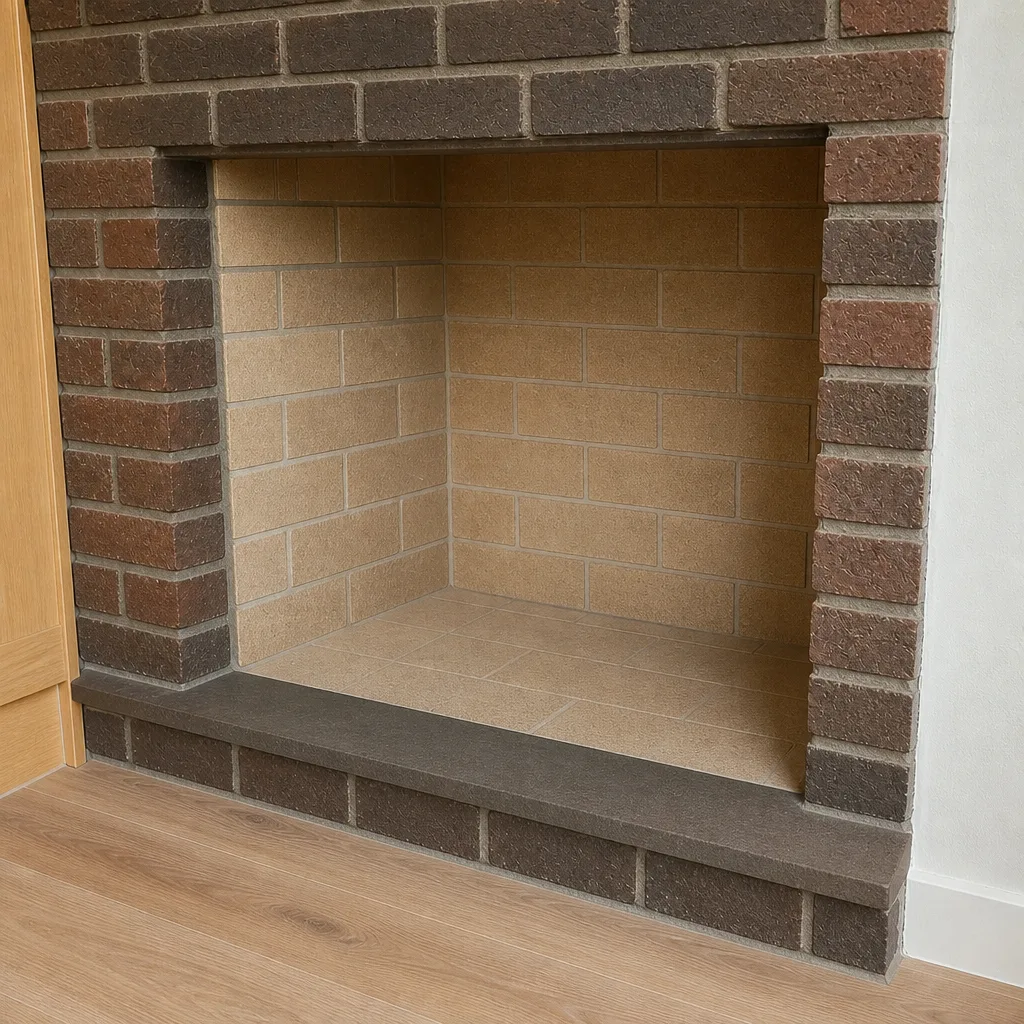
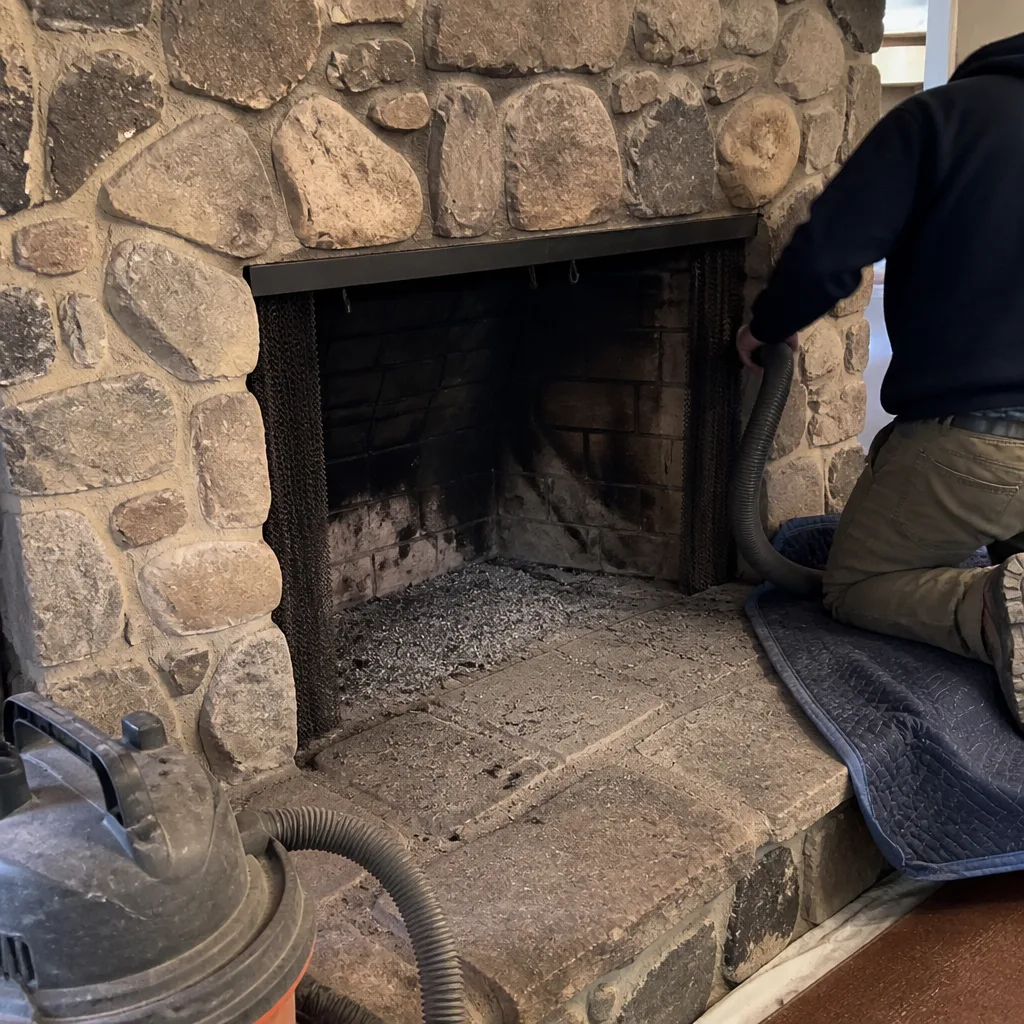
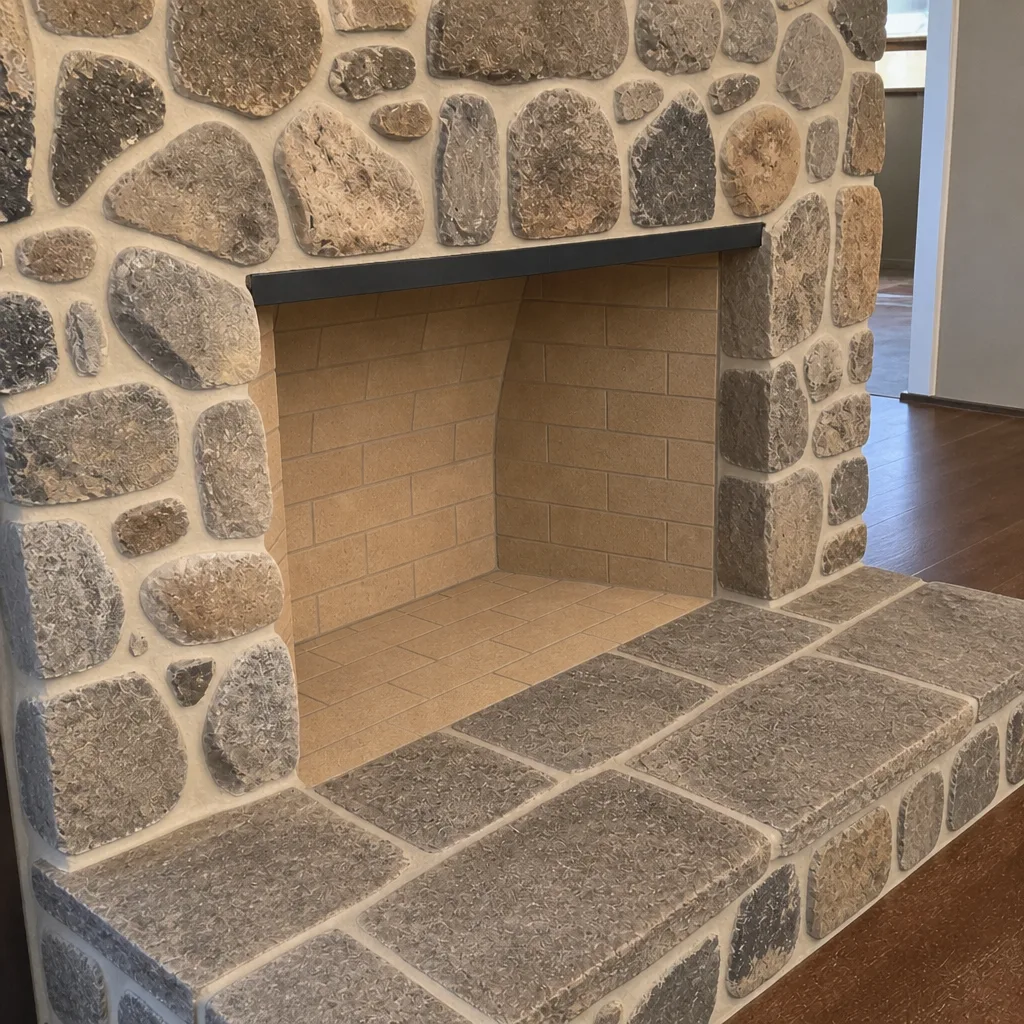
See the difference
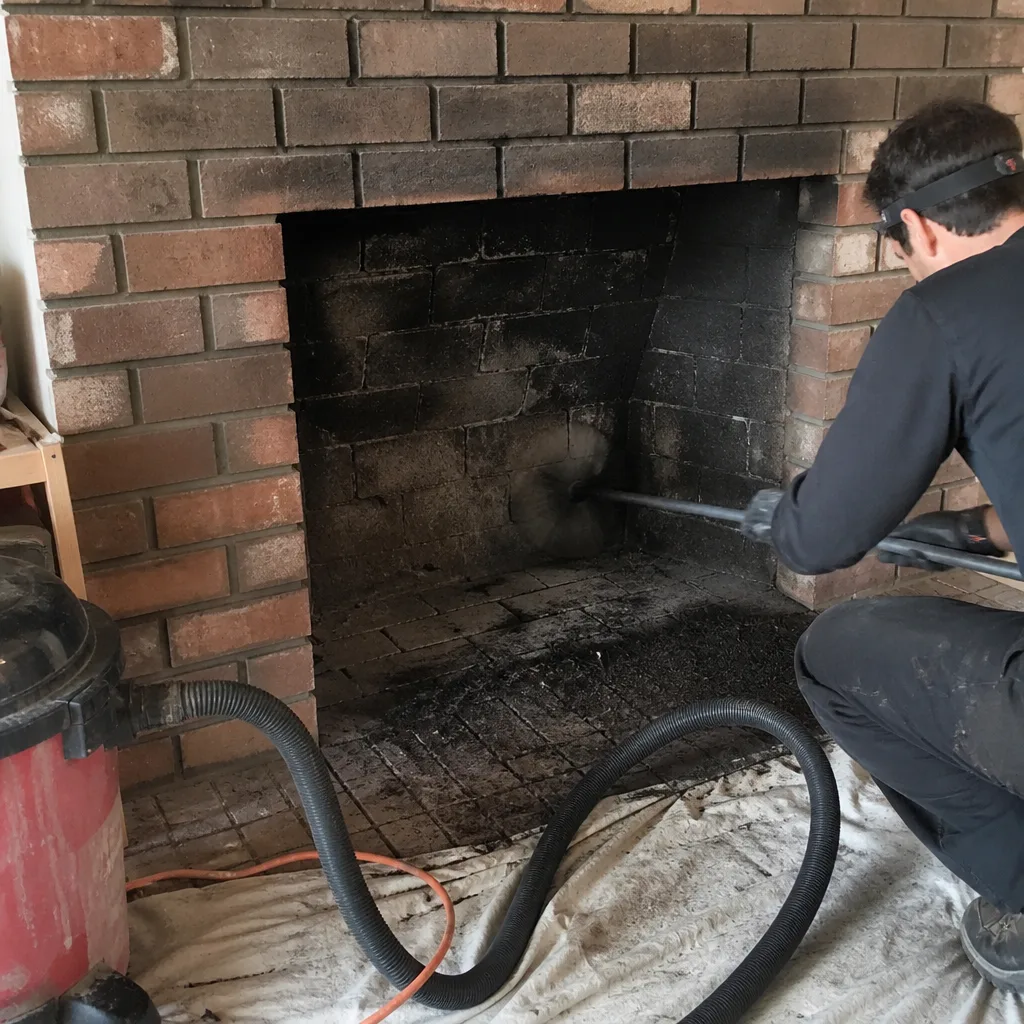 Before
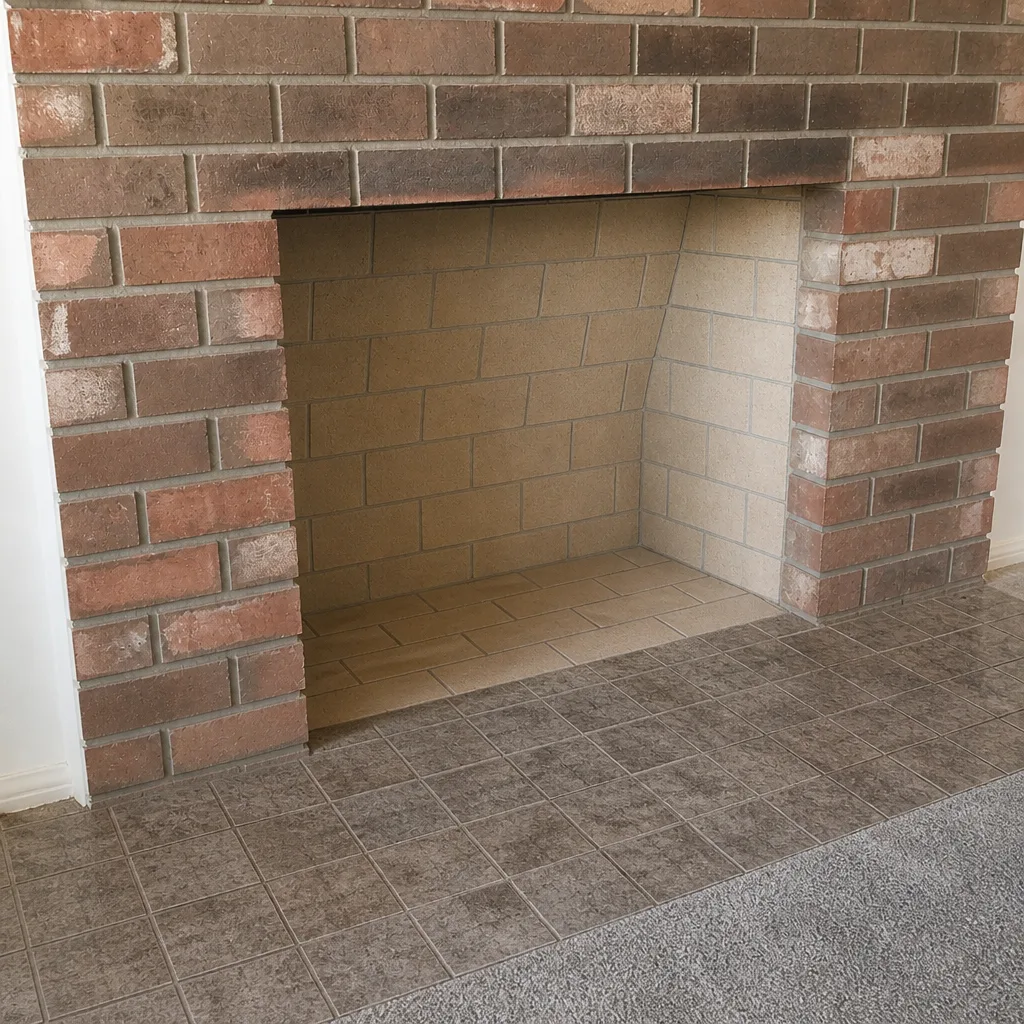 After
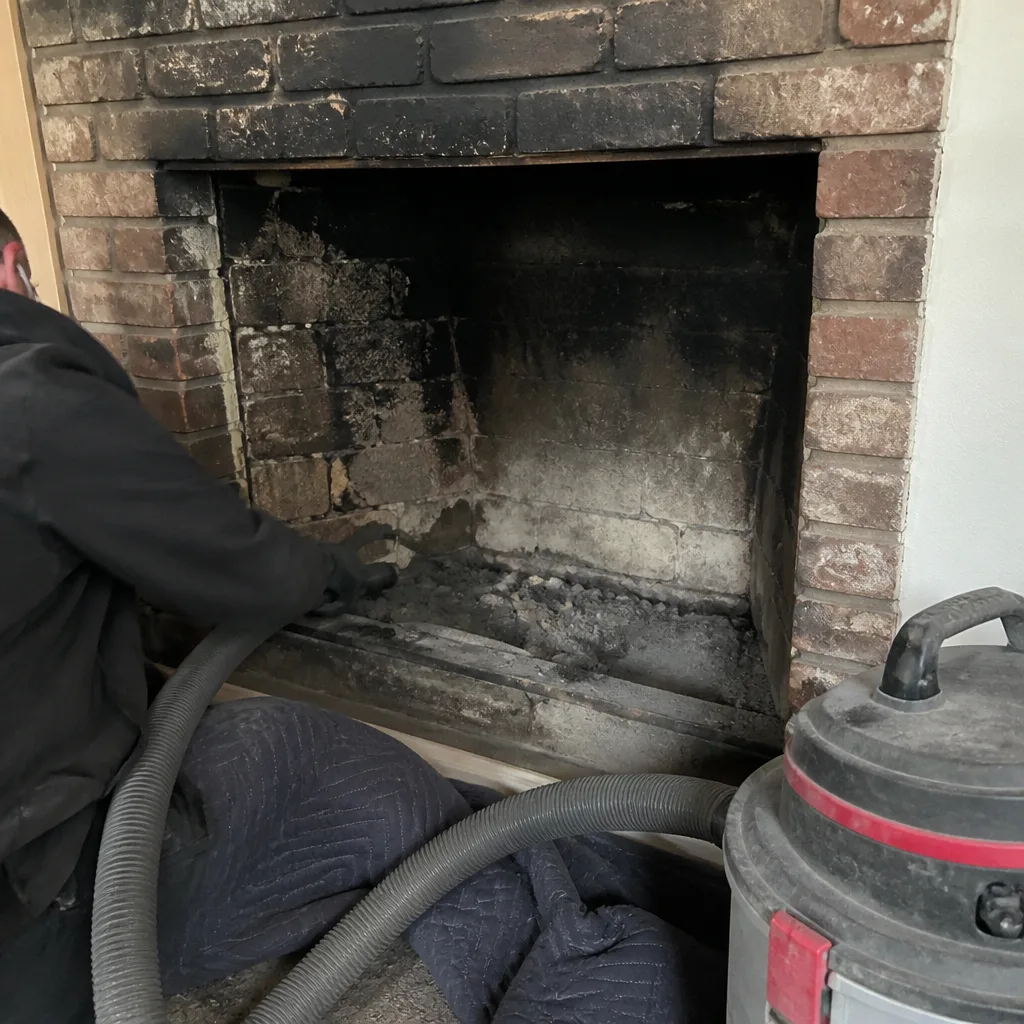 Before
 After
 Before
 After
When to Call a Professional
Some situations genuinely need a specialist rather than a booking for next year’s sweep. Call a professional if you smell smoke inside the house on cold mornings, if you see glazed or tar-like deposits in the firebox, if the damper sticks or won’t seal, if you notice water staining on the ceiling near the chimney, or if the chimney has visible exterior cracks or loose masonry. A chimney fire, even a small one, is always worth an inspection afterward; the fire itself can cause damage you won’t see from the firebox. If you’re switching from wood to gas, installing an insert, or selling a home, get a Level 2 inspection first. Renton Chimney Sweep Pros offers free estimates in Renton. Call (877) 792-7176. We answer 24/7. Fast dispatch from 7am to 7pm, Sunday through Friday.
Frequently Asked Questions
A routine chimney sweep in Renton typically costs $150 to $290 in 2026 for a single-flue wood-burning fireplace. Multi-flue chimneys, Stage 2 creosote, or difficult roof access push the price higher, usually into the $225 to $490 range. Call (877) 792-7176 for an exact quote; estimates are free.
Most chimneys used regularly for wood burning should be swept once a year, and heavier use during a cold Renton winter can justify a mid-season check. Gas fireplaces usually need less frequent cleaning but still benefit from an annual inspection. Call (877) 792-7176 to book a sweep before the next heating season; estimates are free.
You need a new liner only if the camera inspection shows damage that sweeping can’t fix, like cracked clay tiles, spalling, or a failed existing stainless liner. Ask to see the images before you commit. HeatShield resurfacing is often an alternative to full replacement when the flue structure is still intact. Call (877) 792-7176 for a second opinion; estimates are free.
Creosote accumulates in the flue, and once it reaches Stage 2, the removal cost doubles compared to a routine sweep. At Stage 3, glazed creosote can ignite, and a chimney fire can damage the flue enough to require liner replacement. The dollar math is simple: annual cleaning is cheaper than the alternatives. Call (877) 792-7176 to book a sweep; estimates are free.
Five factors explain almost every legitimate difference: chimney height, number of flues, creosote stage, liner material, and access difficulty. If the contractor can’t trace the difference back to one of those, ask them to. The lower bid might be the right one, but make sure you understand what it excludes. Call (877) 792-7176 to talk through a quote; estimates are free.
Yes, indirectly. A chimney with a missing cap or a cracked crown takes on moisture during Renton’s wet season, which accelerates creosote buildup and shortens the interval between cleanings. Fixing the cap and crown early keeps sweeps on the annual schedule instead of slipping into Stage 2 territory. Call (877) 792-7176 to have both checked; estimates are free.
The Bottom Line
Chimney cleaning costs in Renton in 2026 legitimately vary because scope, liner type, height, flues, and creosote stage all change the job. A routine sweep at $150 to $290 is the floor. Add-ons like a Level 2 inspection, cap replacement, smoke test, and minor repointing each carry their own realistic range. The math gets more expensive fast when cleaning is deferred: Stage 2 removal runs $225 to $490, and post-fire repair or liner replacement runs into the thousands. Read a quote by asking what each line item buys, and insist on camera evidence for any liner recommendation. Call (877) 792-7176 for a free estimate. We answer 24/7. Fast dispatch from 7am to 7pm, Sunday through Friday.
Written by the team at Renton Chimney Sweep Pros.