
Last updated November 24, 2026
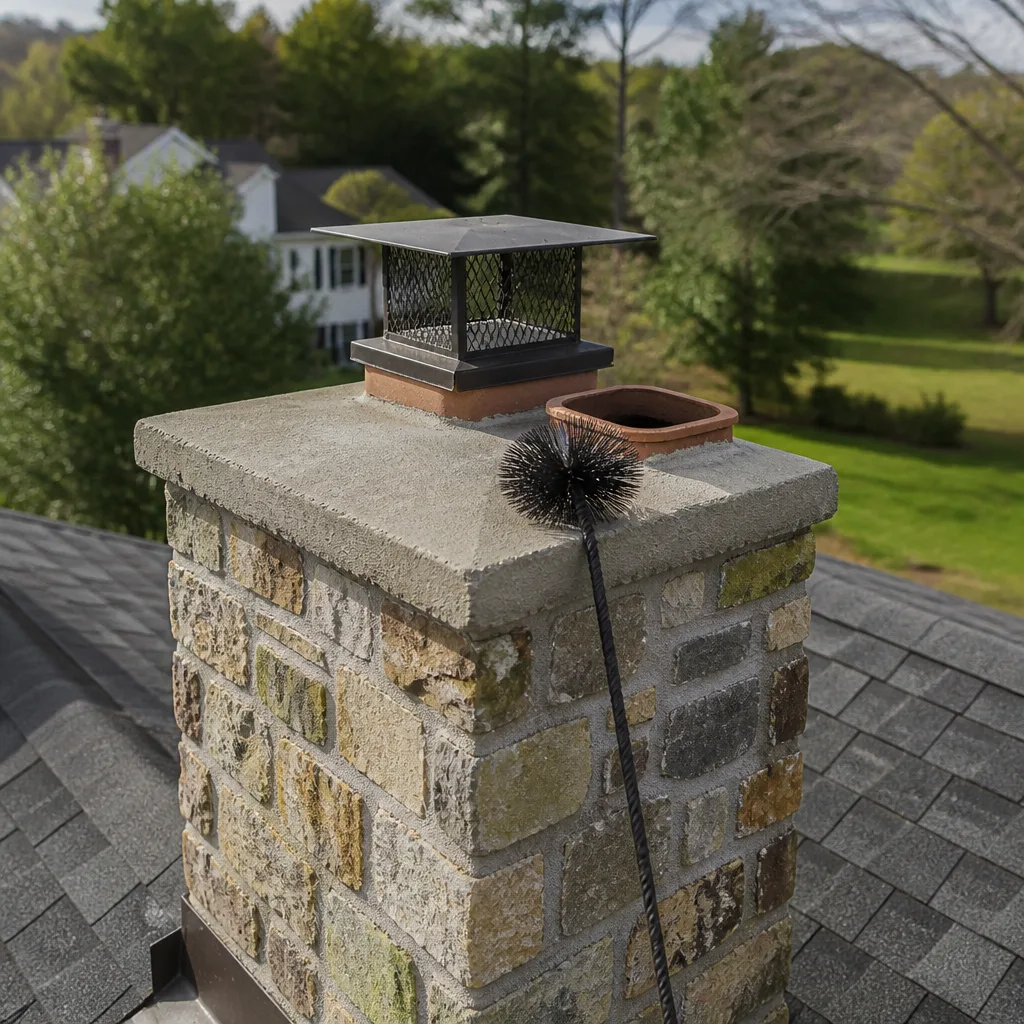 Sweep & inspection
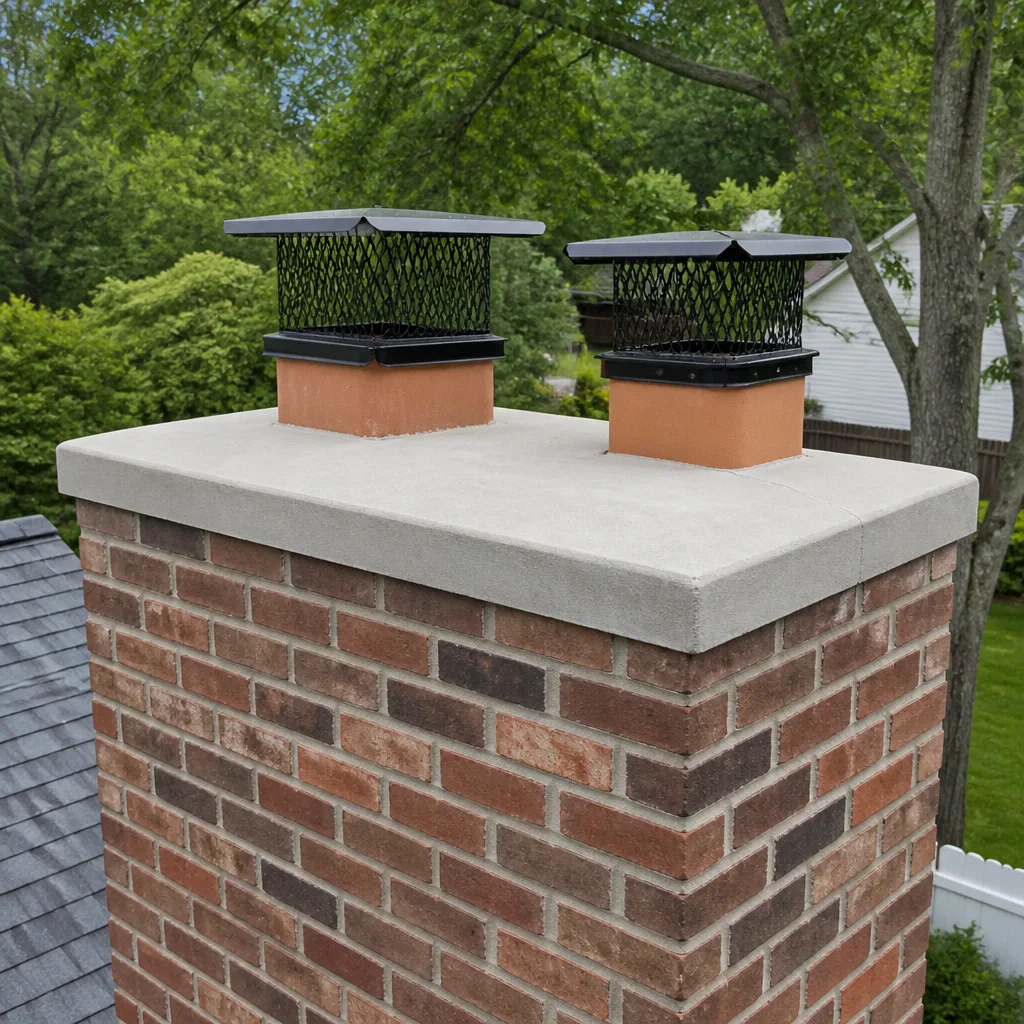 Caps & crowns
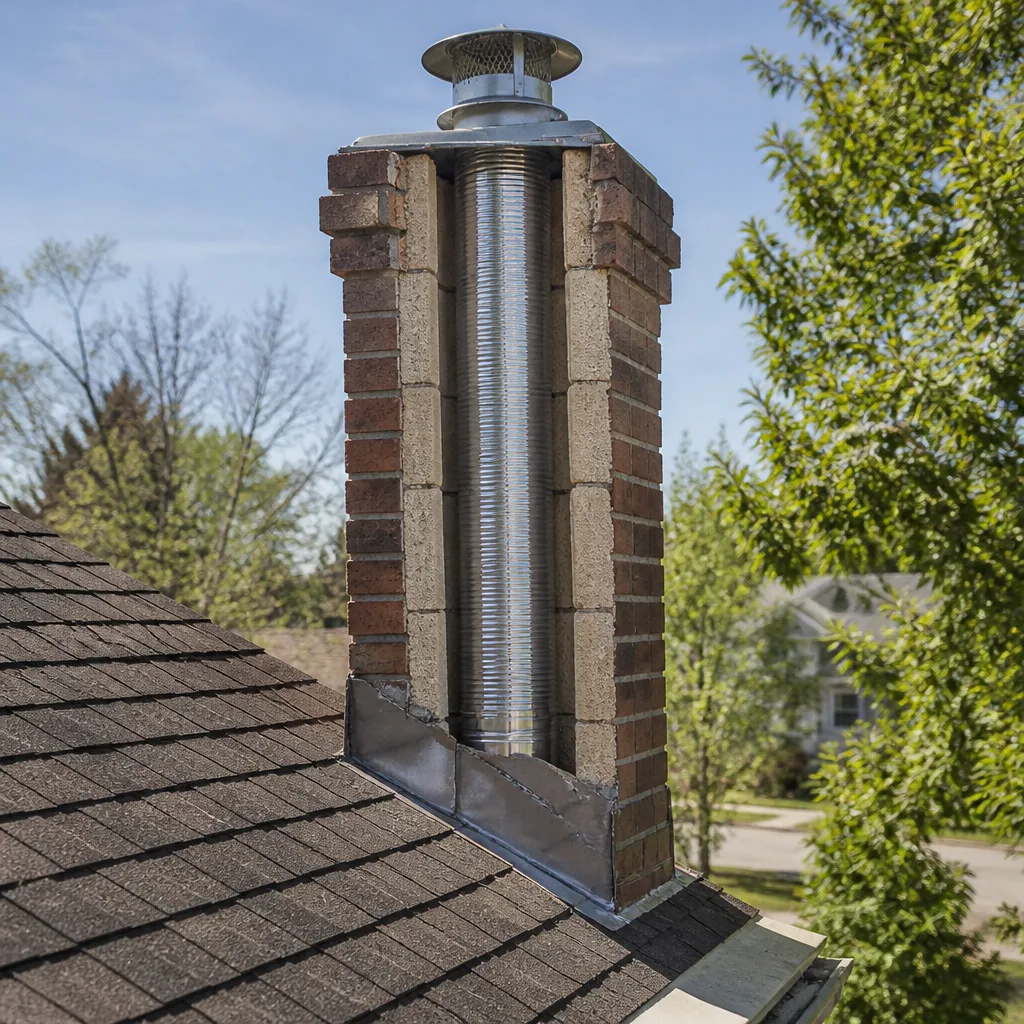 Flue relining
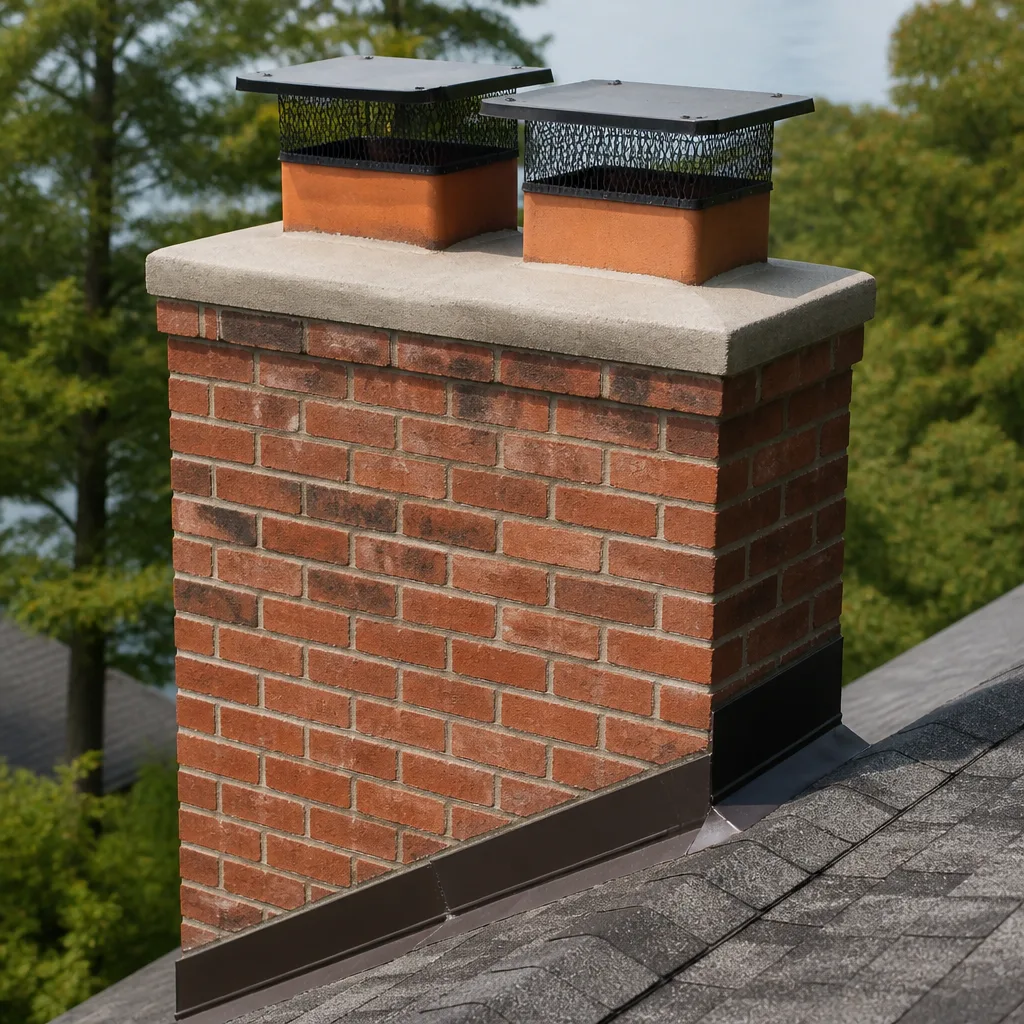 Masonry repair
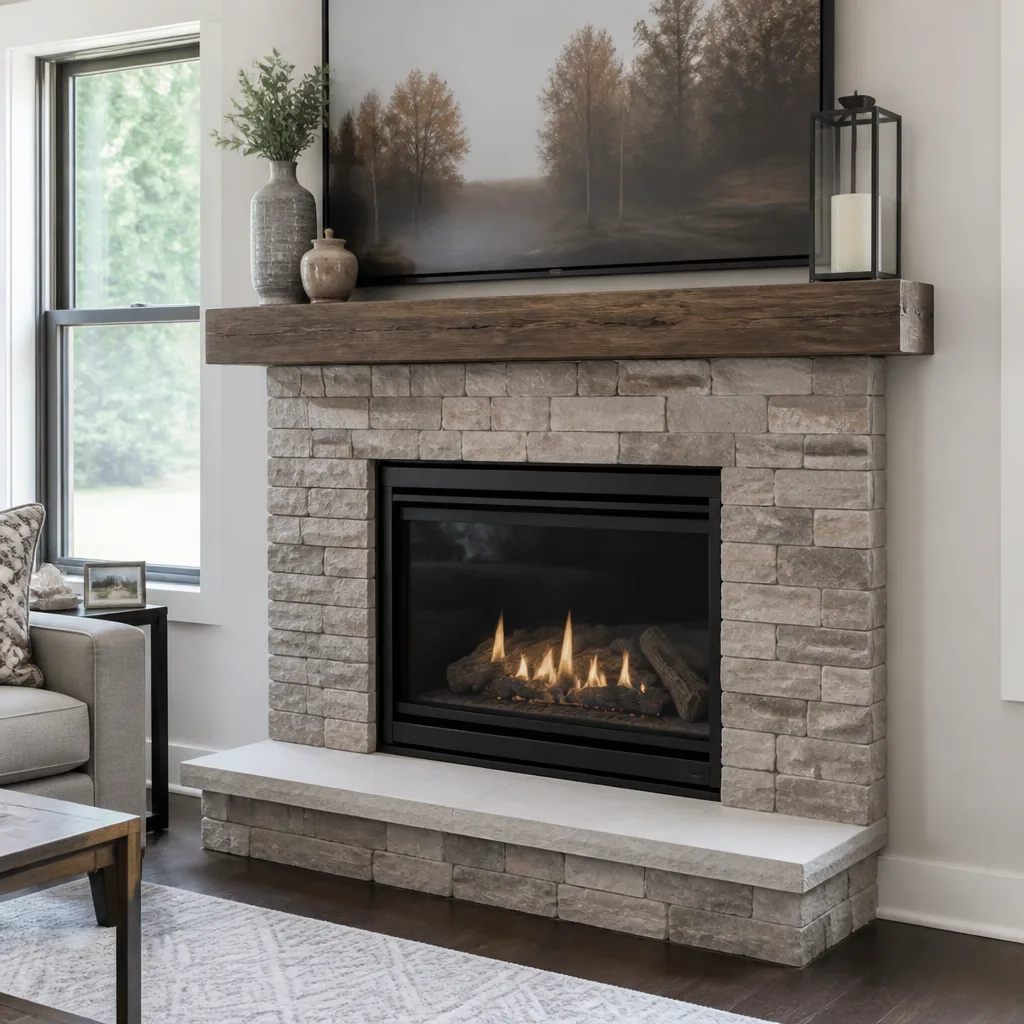 Gas fireplace service
Level 1 sweep and inspection to the NFPA 211 annual standard - flue, crown, cap, and flashing checked and photographed
Chimney sweep logs do not sweep chimneys. They loosen some creosote - which then falls where a brush and vacuum still have to collect it.
Seasonal Chimney Cleaning Care for Renton: Year-Round Homeowner’s Guide
Most chimney advice you’ll read tells you to book a sweep in the fall and forget about it until next year. That schedule was written for a climate that gets a real winter and a dry summer. Renton gets neither. Spring is the hardest season on a Renton chimney, and it has nothing to do with anyone building a fire. It’s because the rain that fell on your crown, mortar, and flashing from October through March has been quietly working on them the whole time, and the freeze-thaw cycle that follows opens the cracks it made. This guide breaks chimney care into four seasons, each with specific tasks, and shows you why a homeowner who only thinks about the chimney in October is already behind by about five months. You’ll learn what to check each season, why summer is the smart window for repairs, and when to actually stop burning mid-winter.
Quick Answer
Year-round chimney care in Renton means four distinct seasons of work, not one fall sweep: spring for a post-winter inspection focused on moisture damage, moss, and crown cracks; summer for structural repairs, repointing, and liner work while scheduling is open; fall for the actual sweep, inspection, and smoke test before the first fire; and winter for monitoring burn habits and recognizing when to stop using the fireplace. The single most important takeaway: the rainy shoulder seasons do more structural damage to a Renton chimney than the burn season does, so the sweep is the smallest part of the job.
Styles & brands we work with
- Sweep & inspection
- Caps & crowns
- Flue relining
- Masonry repair
- Gas fireplace service
Table of Contents
- Why Renton’s Climate Makes Chimney Care Different
- Spring: Post-Winter Inspection and Moisture Damage
- Summer: The Repair Window Most Homeowners Miss
- Fall: The Sweep, Inspection, and First-Fire Check
- Winter: Burn Habits and In-Season Warning Signs
- How Renton’s Weather Maps to Each Seasonal Risk
- When to Call a Professional
- Frequently Asked Questions
Why Renton’s Climate Makes Chimney Care Different
Renton sits in a spot that punishes chimneys in a specific way. It gets a lot of rain, spread across a long wet season that runs roughly from fall into spring rather than arriving in summer thunderstorms. And it gets just enough cold in the winter to freeze, thaw, and freeze again. That combination is the problem, because masonry doesn’t fail from a single hard freeze. It fails from water getting into a crack or a porous brick, freezing overnight, expanding, and forcing the crack a little wider. Do that a few dozen times over a wet winter and spring, and a hairline crack in a crown becomes a chunk of missing crown.
Then the rain does the rest. Water that finds its way past a cracked crown or a failed mortar joint doesn’t just sit on the surface. It soaks into the masonry and migrates toward the flue. That’s how you get spalled brick faces, rusted damper assemblies, and liner damage that shows up years after the original small crack. In our experience, the chimneys that need the most structural work in Renton aren’t the ones that burned the most wood. They’re the ones that went several springs without anyone looking at the crown.
There’s one more local wrinkle: moss and organic growth. When masonry stays damp for months and the air temperature is mild enough for growth, moss and lichen take hold on crowns, shoulders, and the north-facing side of the stack. Moss itself doesn’t destroy brick, but it holds moisture against the surface and keeps it wet longer, which accelerates the freeze-thaw damage underneath. That’s why we treat moss as a symptom worth chasing back to its source rather than just scrubbing it off.
Spring: Post-Winter Inspection and Moisture Damage
Spring is when you find out what winter did, and it’s the season most homeowners skip entirely. Nothing is burning, so the fireplace isn’t on your mind, and that’s exactly the problem. This is when the damage is fresh, visible, and cheapest to fix. A spring visit from a specialist who does chimney sweep and inspection work is really a structural review, not a cleaning. Here’s what a thorough spring pass covers:
- Crown evaluation. Look for cracks, crumbling mortar at the top, and any separation where the crown meets the flue. A cracked crown is the number one path for water to get into the chimney.
- Mortar joint check. Repointing is the repair of the joints between bricks. If the mortar has receded or gone sandy, water is already getting behind the brick.
- Flashing inspection. The metal at the roof line is where most chimney leaks actually originate. If your ceiling stained over the winter, the flashing is the first suspect.
- Moss and organic growth treatment. Treat it, but more importantly, figure out why the masonry is staying wet enough to grow it.
- Animal intrusion check. A missing or damaged cap is an open door. Birds, squirrels, and raccoons nest in chimneys in spring, so clear any intrusion before nesting season peaks.
- Interior water check. Look for rust on the damper, staining in the firebox, and a musty smell, all of which point to a moisture problem you can’t see from the roof.
If your spring inspection turns up a failed cap or a compromised crown, don’t put it off until fall. This is the season to book chimney cap & crown work while the weather is on your side. Call (877) 792-7176 for a free estimate. We answer 24/7. Fast dispatch from 7am to 7pm, Sunday through Friday. A small crown repair in June is a fraction of what a liner rebuild costs in October.
Summer: The Repair Window Most Homeowners Miss
Summer is when you should actually get the real repairs done. The demand for chimney work spikes in fall, when everyone remembers their fireplace at once. In July, the schedule is open, the weather is dry and stable, which matters for masonry and sealant work, and you have time to make a considered decision instead of a rushed one the week before you want a fire. This is the window where the big-ticket repairs live:
- Repointing mortar joints on the stack and shoulders.
- Crown rebuilds or recasting, including HeatShield ceramic resurfacing where the flue liner has deteriorated and only needs resurfacing rather than full replacement.
- Liner evaluation and installation using professional-grade systems like DuraFlex, which we specify based on your liner type rather than a one-size-fits-all fit.
- Cap and crown installation with products like Gelco caps, which block water and animals from the top down and extend the working life of the whole chimney.
- Fireplace repair, from damper work to firebox repair, for gas and wood-burning units alike.
The pricing argument matters here. Summer repair work is priced by the job, not by the season. But a homeowner booking in July has the option to compare an exact written scope against their budget and schedule the work on their terms, while a homeowner calling in the third week of September has one window and pressure to say yes. The written estimate should set the final price either way, so the difference is a decision, not a surcharge. If a technician tells you something needs repair, ask to see the camera evidence from the flue. No recommendation should go forward without it, and good work can often safely wait until you’re ready.
Fall: The Sweep, Inspection, and First-Fire Check
Fall is the season everyone already knows about, and it’s still important, but it does a specific job. This is when you sweep the chimney, get a proper inspection, and test the whole system before the first fire. For a wood-burning fireplace, a professional Renton Chimney Sweep Pros visit in the fall should include the sweep plus a camera inspection, with photos you can see for yourself. The full pass looks like this:
- The sweep. Creosote and soot removal from the flue. How often depends on how much you burn, but a chimney that’s seen a full burn season is the baseline.
- Camera inspection. The camera shows the condition of the flue from the inside, which is where a crack or gap in the liner hides. You get a photo report.
- Damper check. Confirm the damper opens, closes, and seals properly. A damper that won’t close is an energy loss and a smoke-back problem.
- Smoke test. Light a small fire and watch the draft. If smoke rolls into the room instead of going up, the flue has a problem, and you need to know before you settle in for the season.
- Cap check. A loose or damaged cap lets water, birds, and debris in. Confirm it’s secure before the rain comes back.
For a gas fireplace, the fall check is different: you’re looking at the venting, the pilot, and the combustion path rather than creosote. Famco venting products and Copperfield components come up often in these inspections because a leak in the vent assembly is a carbon monoxide concern, and not one to leave until winter. Call (877) 792-7176 for a free estimate. We answer 24/7. Fast dispatch from 7am to 7pm, Sunday through Friday.
Winter: Burn Habits and In-Season Warning Signs
Winter is monitoring season. Once the burn season starts, your job shifts from scheduling work to paying attention. Most chimney problems in the winter don’t announce themselves loudly. They show up as small changes in how the fire behaves. Two categories of warning signs matter: how well the fire draws, and what you can see or smell around the chimney.
What to watch for as the season goes on:
- Smoke coming back into the room instead of going up the flue.
- A weaker draft than earlier in the season.
- Creosote smell in the room, especially on warmer days after a cold spell, or when the chimney has a strong, smoky odor even without a fire.
- Staining, crumbs, or a musty smell anywhere near the fireplace or the top of the stack outside.
- Loud cracking or popping from the chimney itself while a fire is burning, which is different from the normal ticking of a heating metal.
If any of those show up mid-season, stop using the fireplace and have it looked at before the next fire. The biggest winter risk is creosote, which is a fire hazard that builds slowly and doesn’t care that you’ve already burned for a month. A chimney fire is a real hazard, and carbon monoxide is a real hazard for gas and wood-burning units with venting problems. We don’t tell you that to scare you. We tell you because knowing when to stop burning is the easiest piece of winter chimney care there is. If you’re unsure, call and we’ll get you looked at. If it’s Friday night, we’ll book you into the next opening. We answer 24/7. Fast dispatch from 7am to 7pm, Sunday through Friday, and we’re closed Saturdays.
How Renton’s Weather Maps to Each Seasonal Risk
This is the part most seasonal guides skip. A schedule is only useful if you understand what each season is throwing at your chimney. Here’s how Renton’s weather patterns map to the specific risks:
- Long, wet fall-through-spring rain. Risk: moisture intrusion through the crown, mortar joints, and flashing. Managed by spring inspection and summer repair of the crown and cap.
- Freeze-thaw cycles in winter. Risk: worsening cracks in masonry and crown because water in the pores expands as it freezes. Managed by sealing cracks and finishing crown work in summer, before the cold returns.
- Months of damp, mild air. Risk: moss and organic growth holding moisture against the stack. Managed by treatment and, more importantly, by figuring out what’s staying wet.
- Wet spring followed by dry summer. Risk: escaping water actually falls off in summer, so a leak that looked minor in April can show up as interior staining or a failed liner come June. Managed by looking during the dry spell, not assuming the problem went away.
- Cool, damp shoulder seasons. Risk: cold, slow-burning fires produce more creosote. Managed by the fall sweep and by burning hot, dry wood rather than smoldering a wet load all evening.
Notice what the map shows: the structural threats land in spring and summer, but most homeowners schedule their only chimney visit in the fall. That’s the core of the calendar problem. The fall sweep is about safety; the spring and summer work is about keeping the chimney from needing expensive repairs in the first place. Our technicians have up to 12 years of experience reading exactly this kind of damage. Call (877) 792-7176 for a free estimate. We answer 24/7. Fast dispatch from 7am to 7pm, Sunday through Friday.
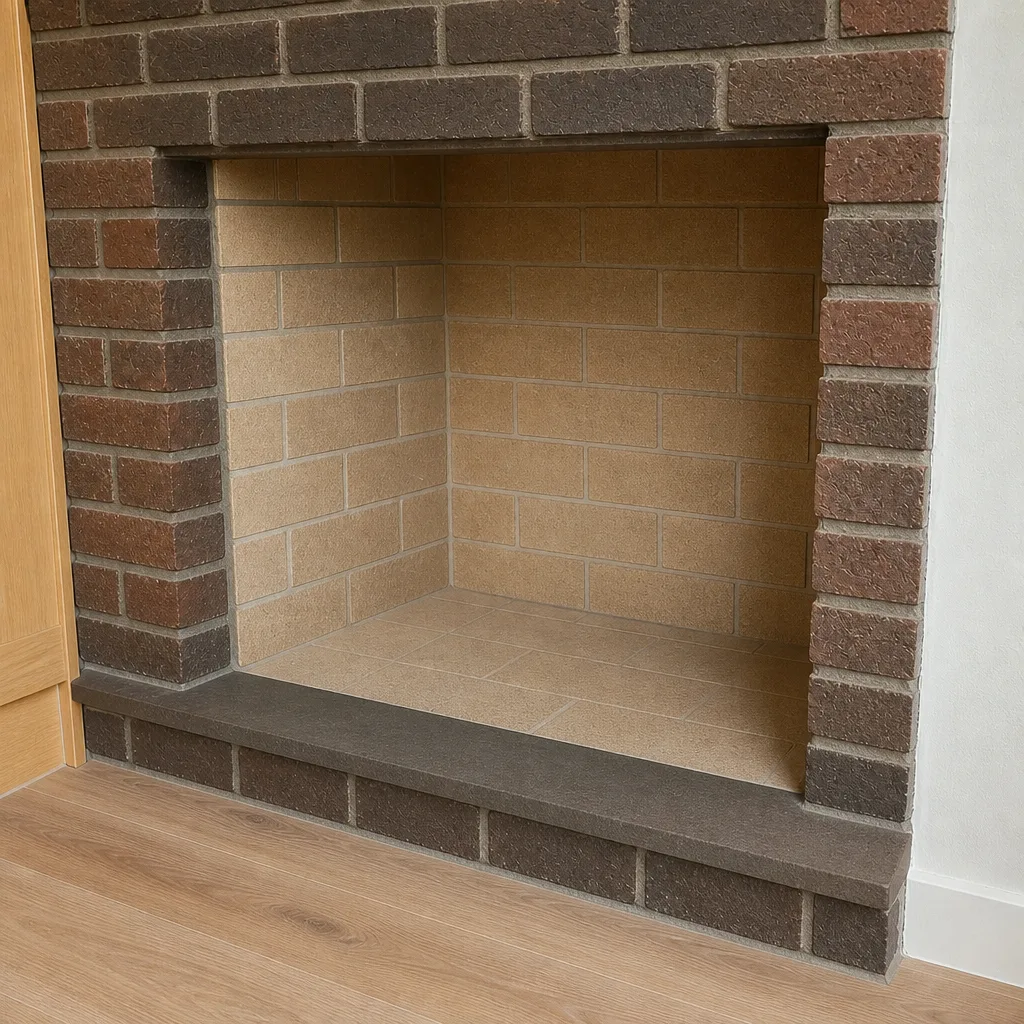
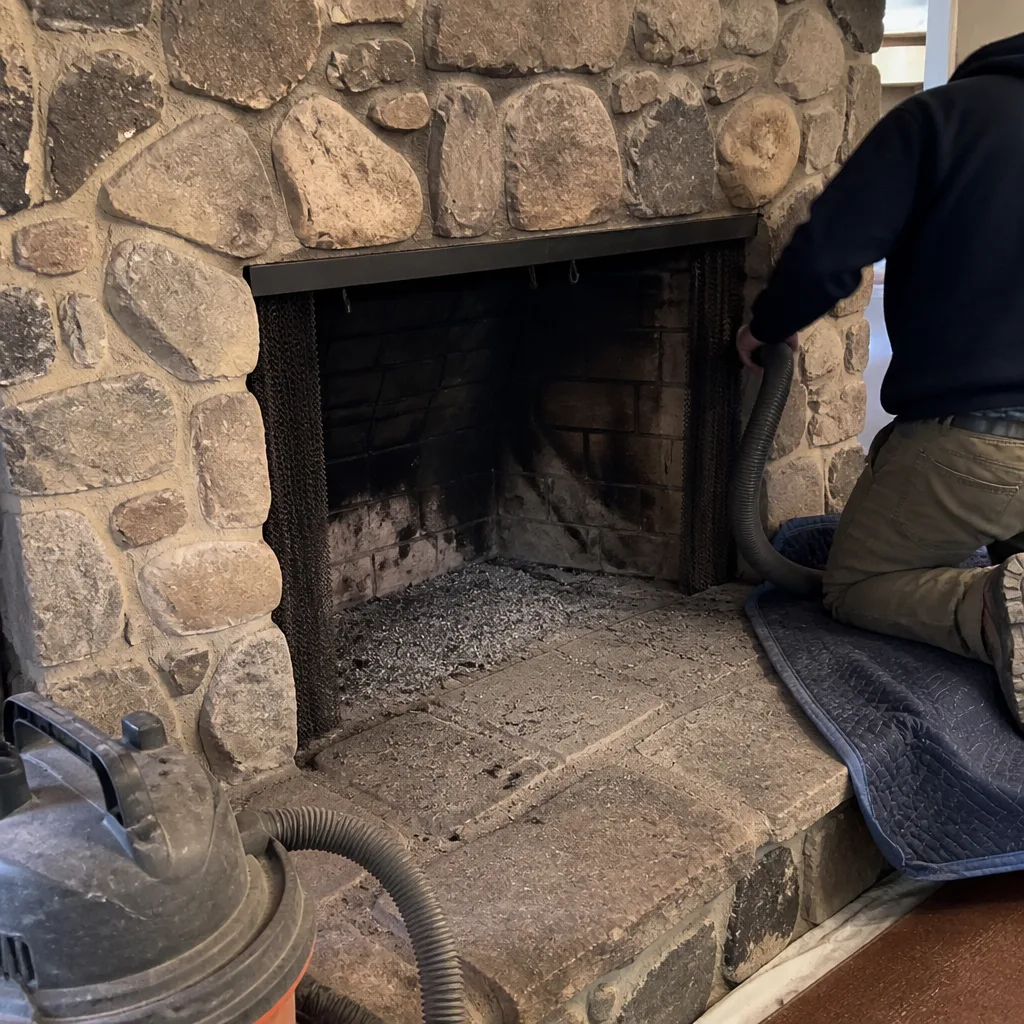
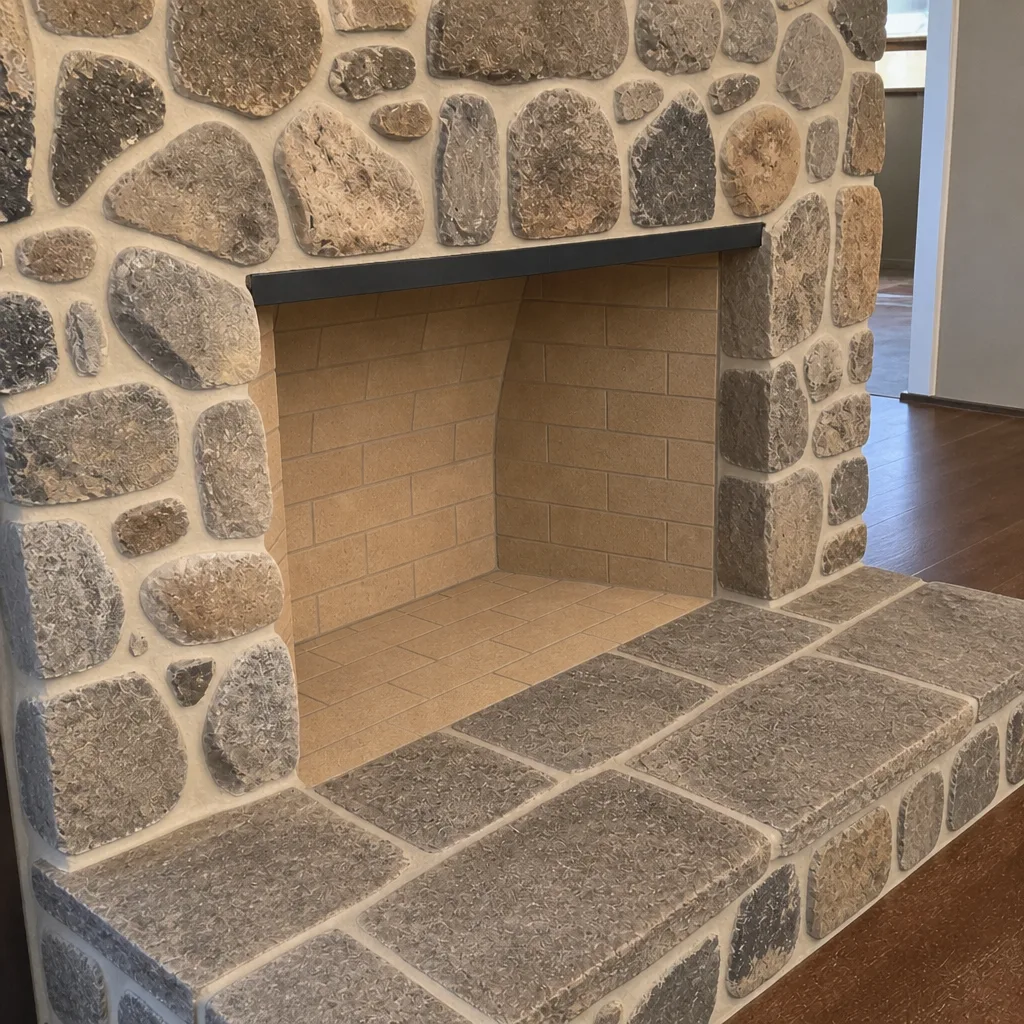
See the difference
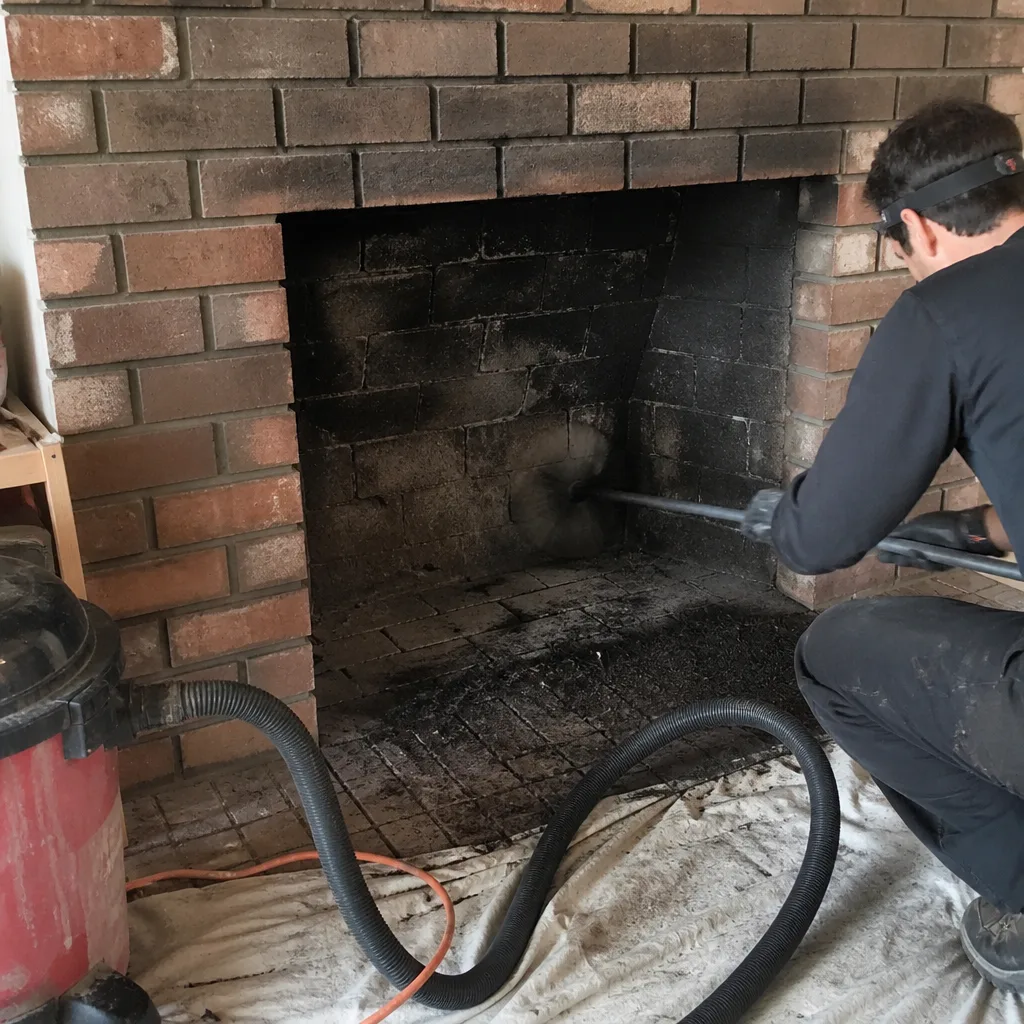 Before
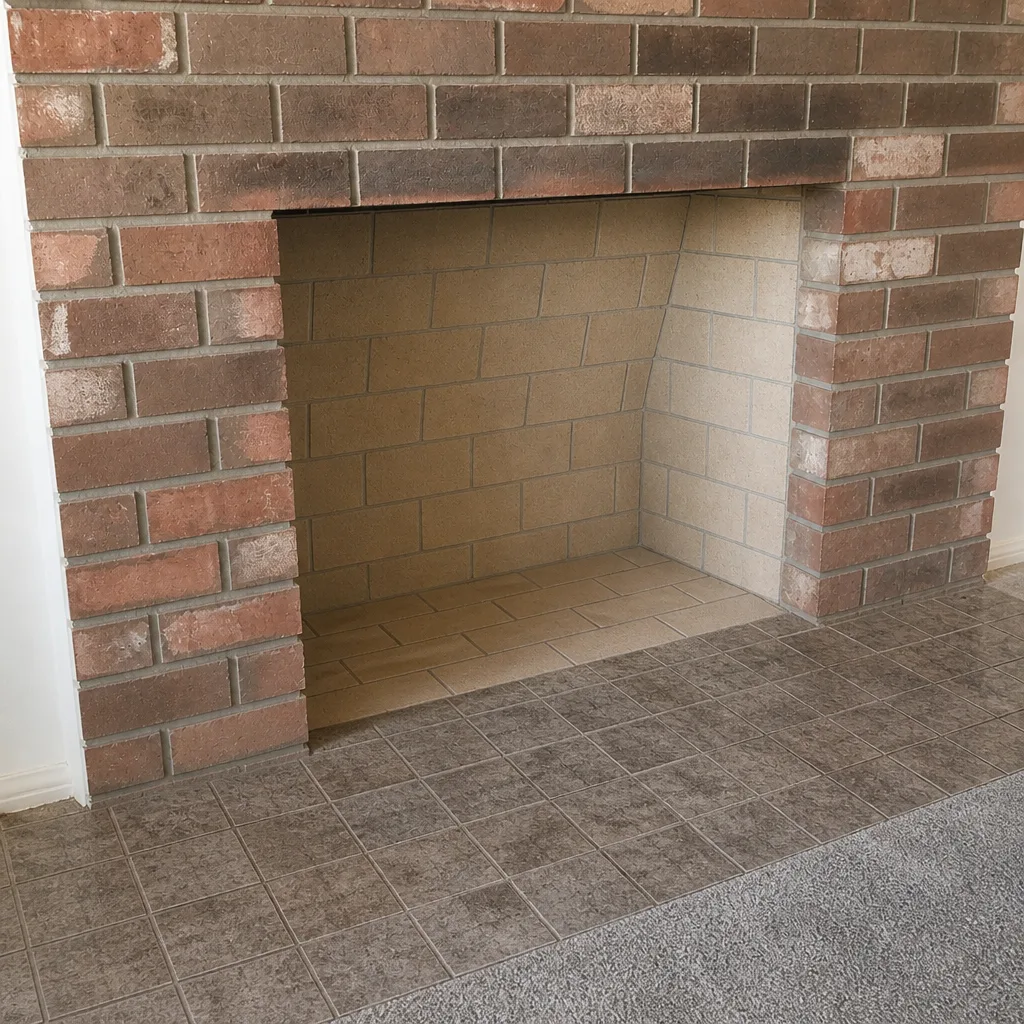 After
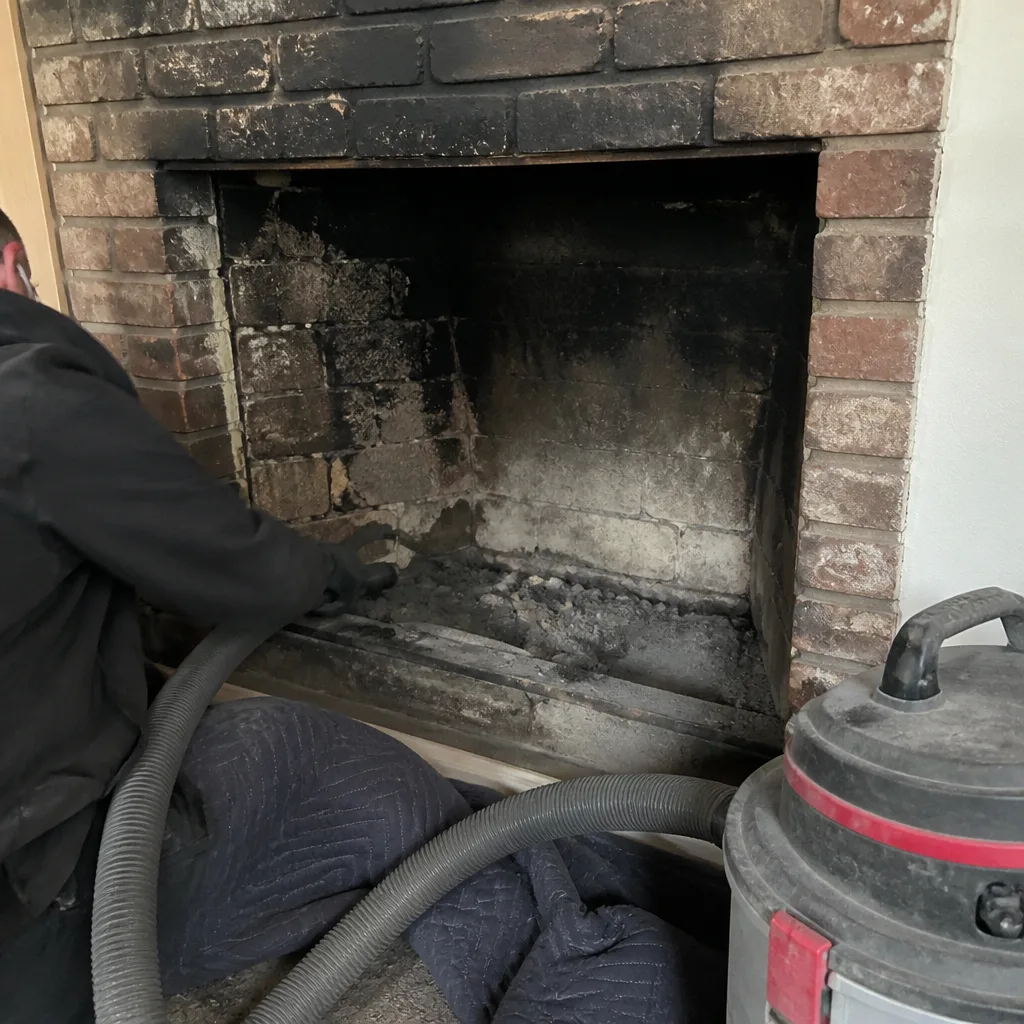 Before
 After
 Before
 After
Common Mistakes to Avoid
- Skipping spring entirely. The most valuable visit of the year for a Renton chimney is the post-winter inspection, and it’s the one nobody books. By the time fall arrives, another dry season has baked the cracks wider.
- Scrubbing moss without finding the source. Moss comes back fast if the masonry is still staying wet. Treating the growth without fixing the moisture underneath is a treadmill.
- Assuming summer is too early to book. It’s the opposite. Summer is when you get a considered repair schedule and a calm decision instead of a September scramble.
- Burning wet or unseasoned wood. Wet wood burns cooler and slower, which produces more creosote. The cheapest chimney care you can do is burn dry, seasoned wood.
- Ignoring a weak draft or smoke-back. Those are the early warning signs of a flue problem. A fire that’s suddenly smoking into the room mid-season is a reason to stop, not to open a window.
- Calling a general handyman for a chimney job. Chimneys are a ventilation system, and the repair decisions (liner type, cap sizing, crown resurfacing) need a specialist. This is where a generalist can make a small problem worse.
- Never looking at the crown. A cracked crown is the single most common reason a Renton chimney ends up needing expensive liner or structural repair. It’s also the cheapest thing on this list to fix early.
When to Call a Professional
Some chimney care is a matter of watching and knowing. Others need eyes and tools. Call a professional when: your spring inspection hasn’t been done in more than a year; you see a cracked or crumbling crown; moss keeps coming back after treatment; a mortar joint is receding; you notice staining or a musty smell inside; the flue hasn’t been camera-inspected; a cap is missing or loose; the damper won’t seal; smoke comes back during a fire; or you have a gas fireplace that hasn’t had its venting checked since you bought the house. On the safety side, never try to open, repair, or resurface a flue liner yourself, and never attempt to inspect a masonry chimney from the roof. A trained specialist does this work for a reason. Renton Chimney Sweep Pros offers free estimates in Renton, call (877) 792-7176. We answer 24/7. Fast dispatch from 7am to 7pm, Sunday through Friday, and we’re closed Saturdays.
Frequently Asked Questions
Most wood-burning chimneys should be swept once a year, after the burn season and before the next one starts. How often you actually need it depends on how much you burn and how dry your wood is, so a chimney that sees heavy use should be checked more often than one that burns a few fires a season. The sweep is only one part of the visit, which is why we recommend a full inspection including a camera look at the flue. Call (877) 792-7176 for an exact quote, estimates are free.
Renton’s long wet season and freeze-thaw winters put more stress on the masonry and crown than the burn season does. The rain soaks into cracked crowns and mortar joints, then the cold freezes and expands it, which widens the damage year after year. That’s why the spring inspection matters more here than in a drier climate, and why we push summer as the window to repair. Call (877) 792-7176 for a free estimate. We answer 24/7. Fast dispatch from 7am to 7pm, Sunday through Friday.
Not necessarily, and you shouldn’t decide until you’ve seen the camera evidence. Sometimes the flue just needs HeatShield ceramic resurfacing, which is a specialized repair for a deteriorated liner and one that many sweep-only companies can’t offer. Sometimes it needs a full DuraFlex liner. And sometimes it’s fine and needs nothing. We won’t recommend liner work we can’t show you on camera, and if it can safely wait, we’ll tell you that. Call (877) 792-7176 for an exact quote, estimates are free.
Two seasons without a look is when a small, cheap fix turns into a structural repair. A cracked crown and receded mortar joints let rain into the masonry, which soaks the flue and, over wet winters, can compromise the liner. Moss adds to the moisture problem. The longer it goes, the more of the chimney gets replaced instead of patched. A spring inspection is the cheapest insurance against that. Call (877) 792-7176 for a free estimate. We answer 24/7. Fast dispatch from 7am to 7pm, Sunday through Friday.
Summer is the better window for structural and liner work. The schedule is open, the weather is dry and stable for masonry and resurfacing, and you have time to weigh an exact written scope against your budget instead of saying yes under pressure. Fall is for the sweep and inspection before the first fire. Booking both ahead of time means you’re not the homeowner scrambling in October. Call (877) 792-7176 for an exact quote, estimates are free.
A gas fireplace needs a different kind of check than a wood-burning one, but it still needs one. The concern with gas is the venting and combustion path, which is where a carbon monoxide issue would originate. A leak in the vent assembly is a reason to stop using the fireplace and have it looked at, not something to wait on. Renowned venting components like Famco are part of getting that repair right. Call (877) 792-7176 for a free estimate. We answer 24/7. Fast dispatch from 7am to 7pm, Sunday through Friday.
The Bottom Line
Chimney care in Renton isn’t a fall chore. It’s a four-season discipline, and the seasons that matter most for the health of your chimney are spring and summer, when the rain and freeze-thaw damage gets found and fixed. Sweep and inspect in the fall, monitor your burn habits and warning signs in the winter, do the structural work in the summer, and use the spring inspection to catch moisture damage before it turns into a liner job. Our technicians have up to 12 years of experience and we work with professional-tier products like Gelco, HeatShield, and Olympia Chimney, so one call covers everything from the first inspection through the final repair. Call (877) 792-7176 for a free estimate. We answer 24/7. Fast dispatch from 7am to 7pm, Sunday through Friday, and we’re closed Saturdays.
Written by the team at Renton Chimney Sweep Pros.