
Last updated November 24, 2026
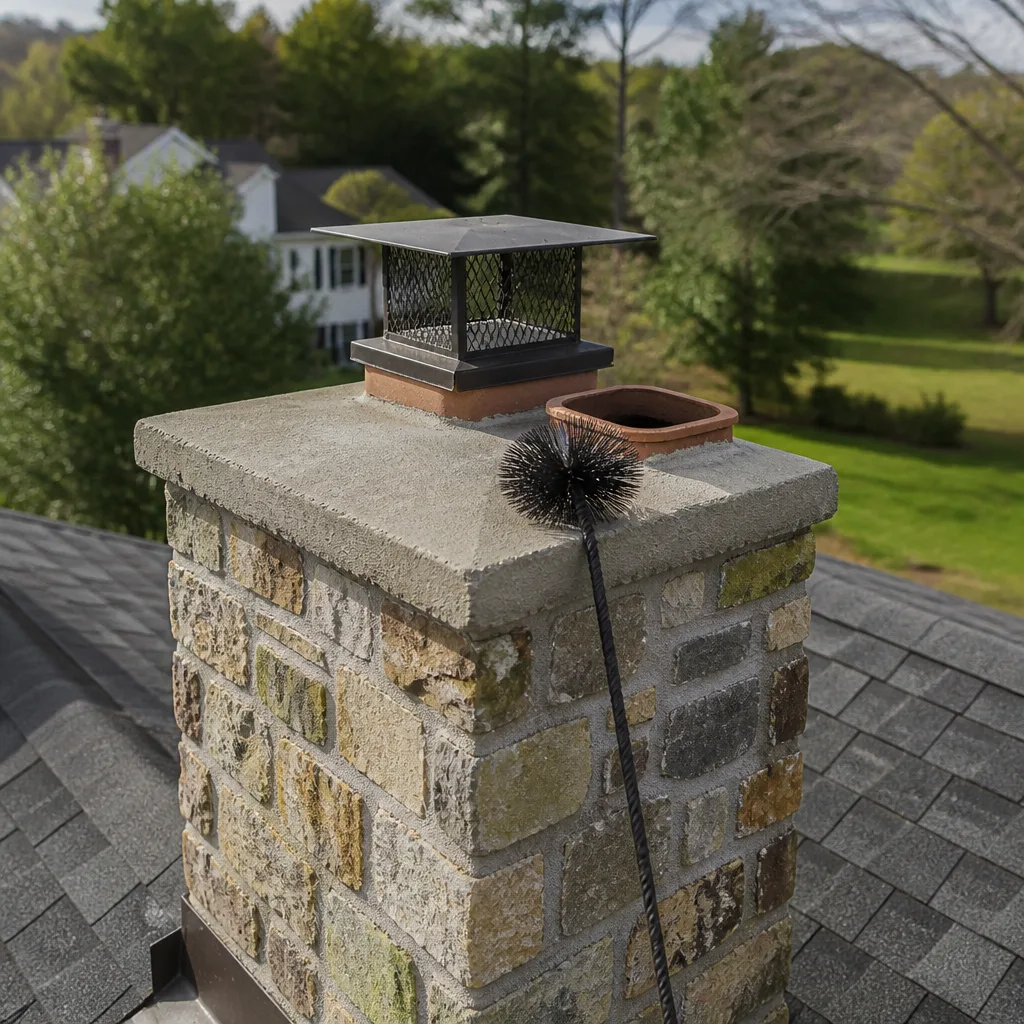 Sweep & inspection
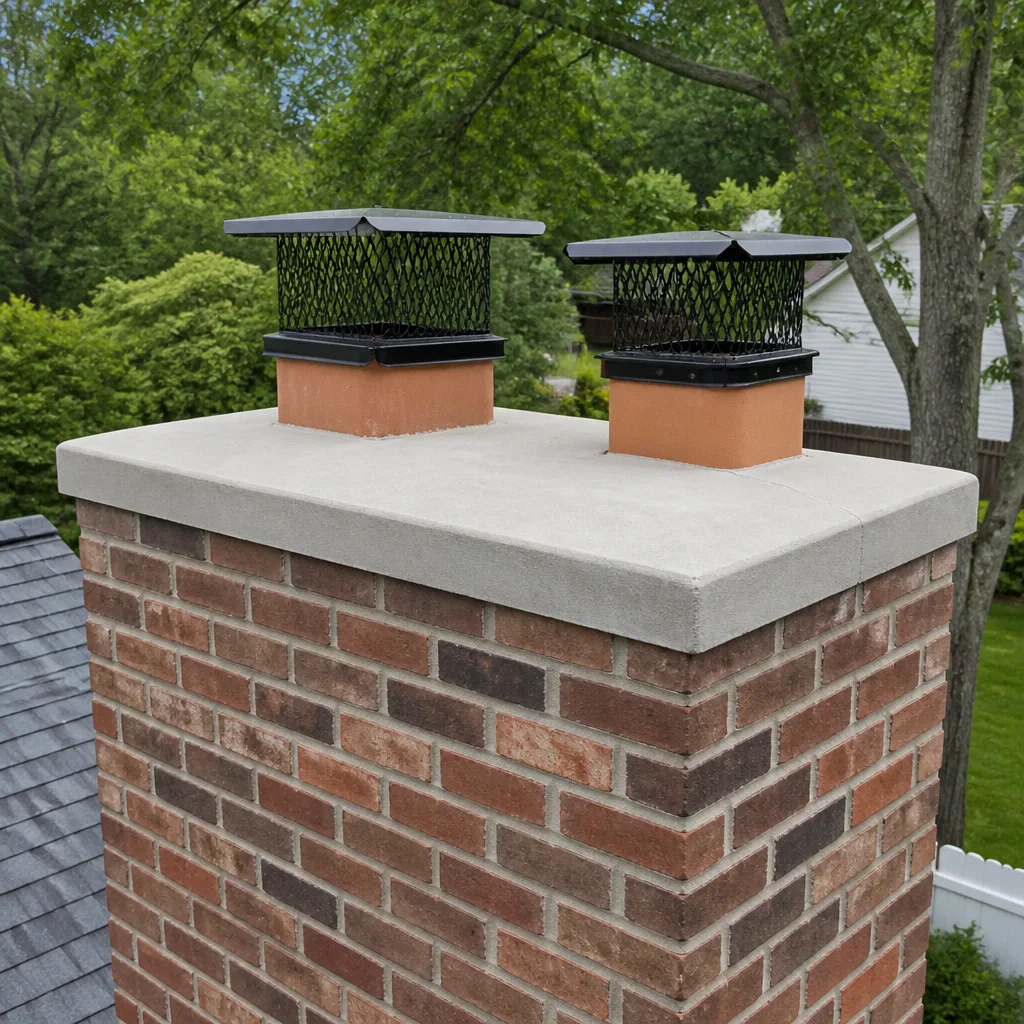 Caps & crowns
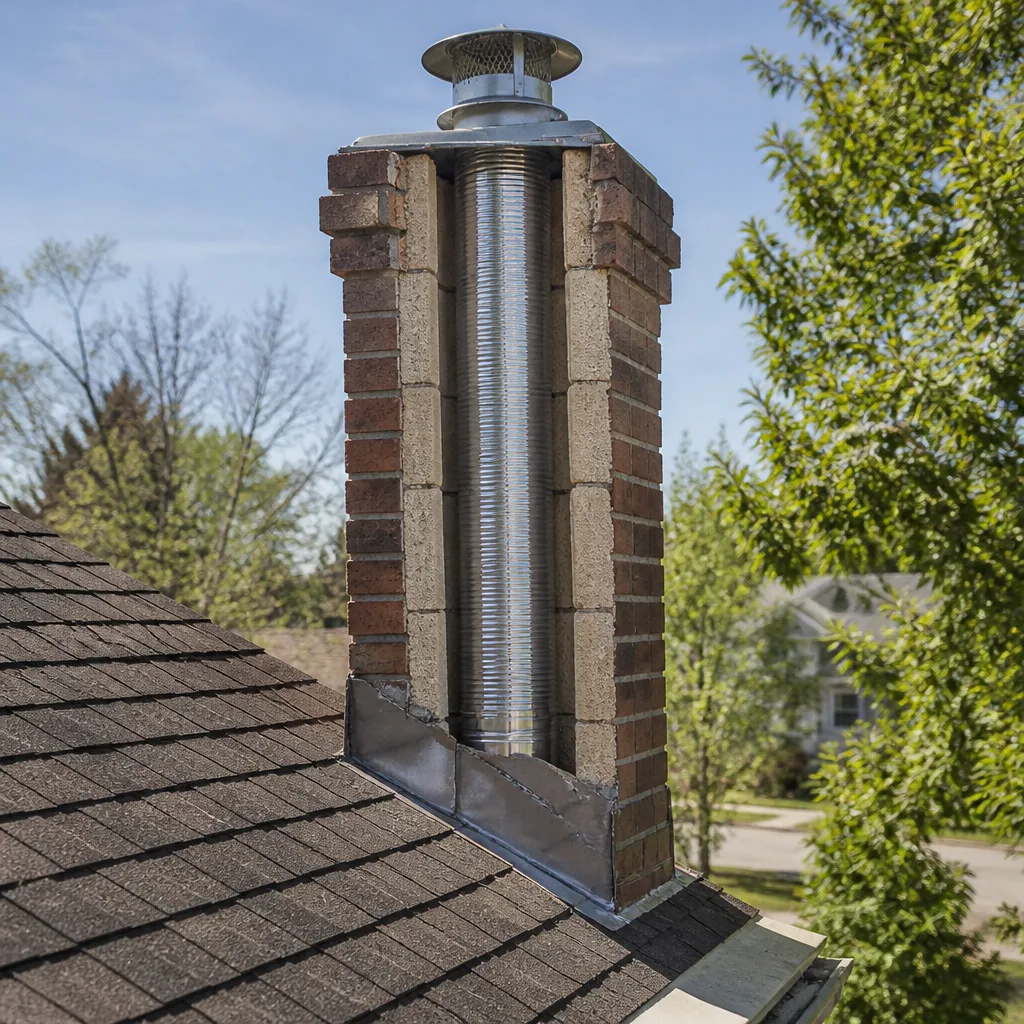 Flue relining
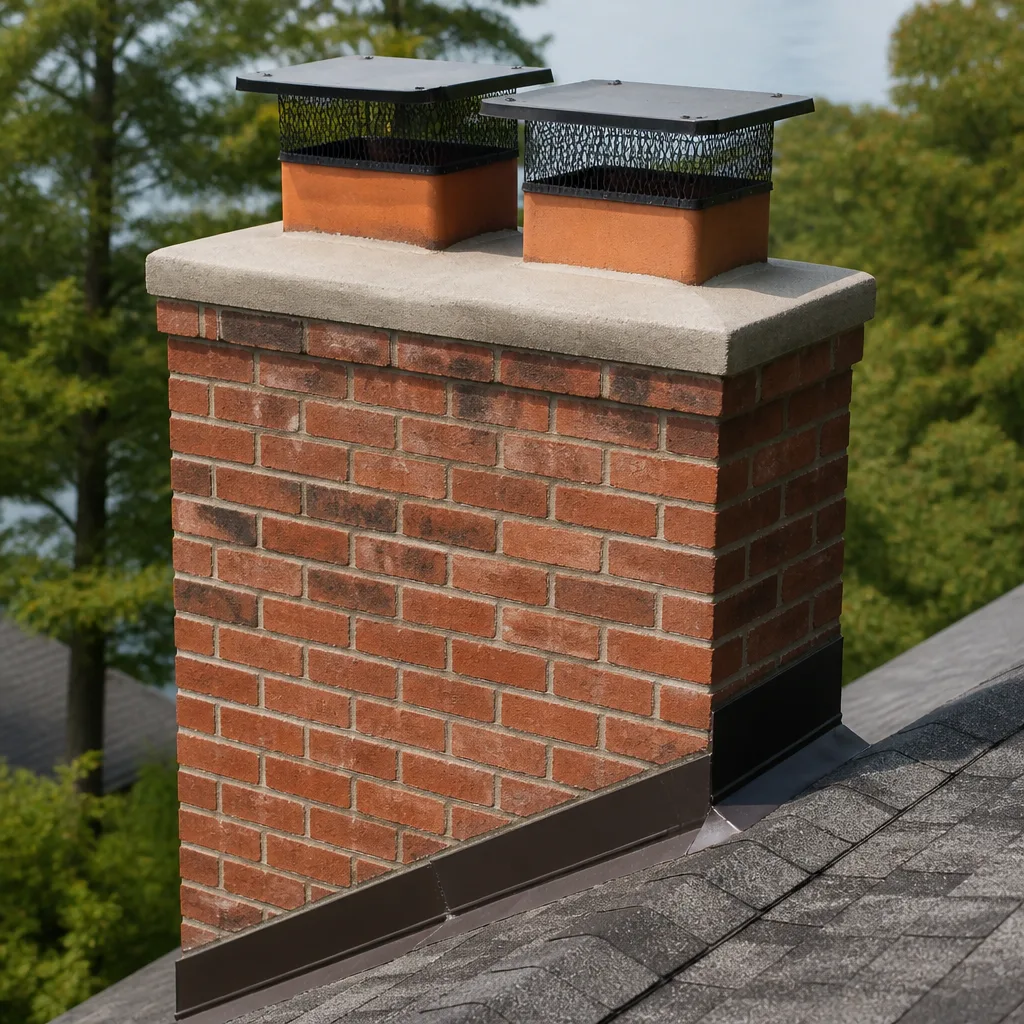 Masonry repair
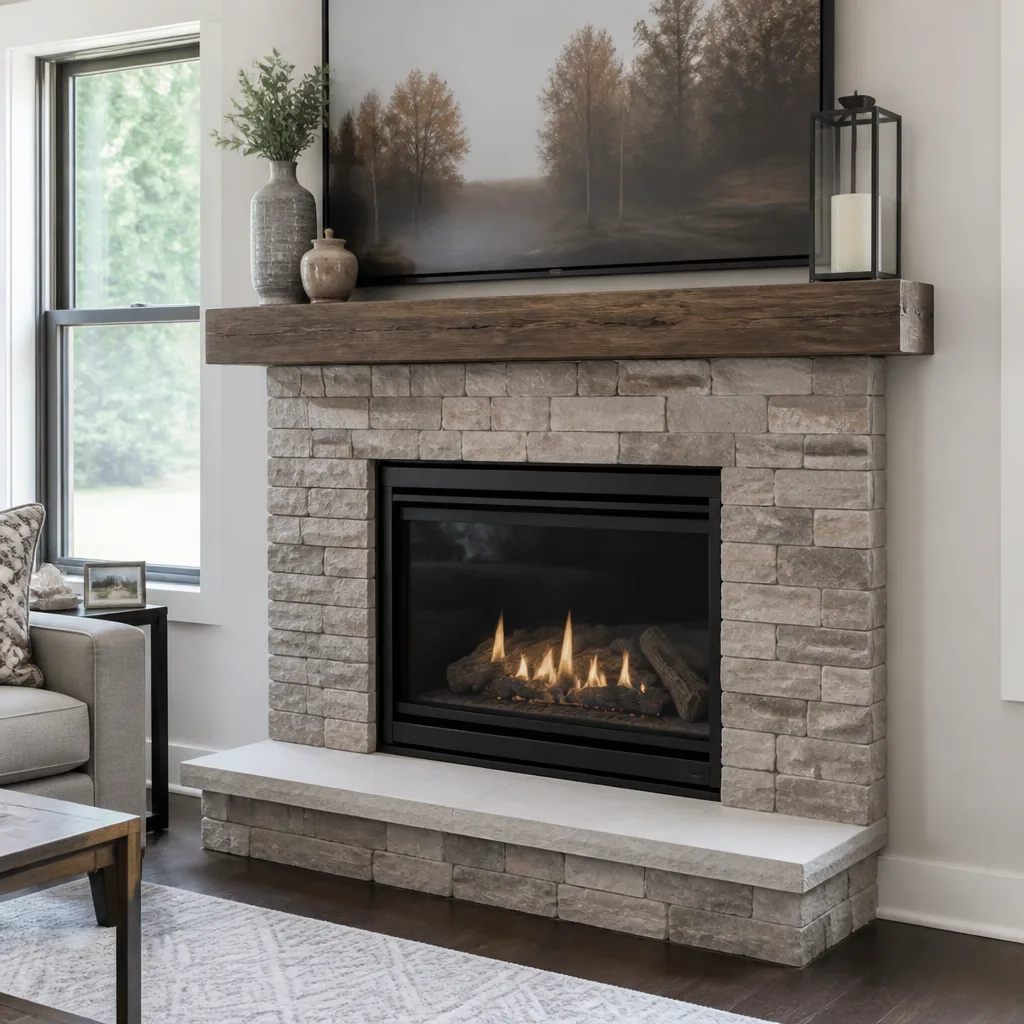 Gas fireplace service
Level 1 sweep and inspection to the NFPA 211 annual standard - flue, crown, cap, and flashing checked and photographed
Chimney sweep logs do not sweep chimneys. They loosen some creosote - which then falls where a brush and vacuum still have to collect it.
Chimney Sweep Maintenance Checklist for Renton Homeowners
Most chimney checklists in circulation were written for a house in a place with four distinct seasons and a dry summer. Renton doesn’t work that way. Here, a chimney spends the wet months absorbing moisture from the outside while it collects creosote from the inside, and the two problems feed each other. The item Renton homeowners most consistently skip, the crown inspection after winter, is also the one that leads to the most expensive repairs down the road. This guide gives you a real checklist built for Puget Sound weather, split into what you can safely check yourself and what needs a trained sweep. You’ll also get burn-volume triggers so the calendar isn’t your only cue.
Quick Answer
A Renton chimney needs an annual inspection and sweep, an exterior check of the crown, brick, and flashing after every wet season, and a service call any time you burn more than about two cords of wood or run a gas fireplace heavily through the winter, regardless of the date. Homeowners can safely check the damper, look for debris on the smoke shelf, and observe the firebox, but creosote removal, liner assessment, and crown or flashing repair belong to a trained sweep. Documenting the chimney with photos each year makes every future recommendation easier to verify.
Styles & brands we work with
- Sweep & inspection
- Caps & crowns
- Flue relining
- Masonry repair
- Gas fireplace service
Table of Contents
- Why a Renton chimney checklist looks different
- The exterior checklist: moss, efflorescence, and flashing
- The interior checklist: what you can safely observe
- The burn-volume trigger: when to call regardless of the calendar
- How to document your chimney year over year
- Self-inspection vs. certified sweep: which is which
- A month-by-month rhythm for Renton chimneys
- Common mistakes to avoid
Why a Renton Chimney Checklist Looks Different
Renton sits in a climate that keeps masonry damp for months at a time. Brick and mortar are porous. When they stay wet and then cool below freezing, the water inside them expands and works the joints loose. That freeze-thaw cycle doesn’t happen every week here, but it happens enough in a typical Renton winter to open hairline cracks that let in more water the following year. Meanwhile, a wood-burning fireplace in the same house is depositing creosote on the flue walls, and a cracked or spalling flue gives that creosote a rougher surface to cling to.
So a chimney in Renton has two jobs on its checklist that a sweep-only mindset misses. The first is keeping water out, which is a cap, crown, and flashing problem. The second is keeping the flue clear and intact, which is a sweeping and liner-assessment problem. In our experience, the homeowners who avoid big repair bills are the ones who treat these as one system rather than two separate chores. Your chimney is a ventilation system, not a decoration, and it has to be sound from cap to firebox to do that job.
There’s a practical reason this matters for the local housing stock too. Renton has a wide mix of older masonry chimneys and newer factory-built ones, and the two fail in different ways. Masonry absorbs water and spalls. Factory-built units depend on their metal liners and caps staying intact. A single generic checklist doesn’t serve either well, which is why we’ve built separate item lists below. The rest of this guide walks through the exterior first, because that’s where the most expensive surprises start.
The Exterior Checklist: Moss, Efflorescence, and Flashing
The exterior of your chimney tells you more about its health than most homeowners realize. You don’t need to climb anything to read it. Binoculars from the yard, or a phone photo zoomed in from a safe distance on the ground, will show you most of what follows. We ask Renton homeowners to run this exterior list once after the wet season and once before the burning season begins.
- Crown surface. Look for moss, standing water, or a crown that has pulled away from the flue. A crown is meant to shed water away from the chimney top, and moss holds moisture against it.
- Crown edges. Check for cracking, crumbling, or separation where the crown meets the brick. Small cracks let water in and freeze-thaw widens them.
- Brick and mortar joints. Look for white, chalky staining, which is efflorescence, a sign moisture is moving through the masonry. Look also for crumbled or missing mortar between bricks.
- Flashing. That’s the metal where the chimney meets the roof. Check for lifted edges, gaps, or rust. Flashing separation is one of the most common water-entry points around Renton roofs after freeze-thaw cycles.
- Chimney cap. Is there one? Is the mesh intact? A missing or rusted-out cap lets rain, birds, and debris straight into the flue.
- Spalling. Look for brick faces flaking or popping off. That’s freeze-thaw damage showing itself.
None of these items require you to get on the roof. If you see moss on the crown, efflorescence on the brick, or flashing that has pulled away, note it and take a photo. Those are the exact findings that turn into chimney cap & crown work or flashing repair, and catching them early is far cheaper than rebuilding a chimney top. We install Gelco caps when a chimney is missing one and specify the right cap for the flue type rather than a universal fit. Professional-grade materials, not hardware-store substitutes, is why we reach for brands like Gelco, DuraFlex, and Copperfield on this kind of work.
The Interior Checklist: What You Can Safely Observe
Inside the house, you can safely look, listen, and note. You don’t need to reach up the flue or take anything apart. This interior list is about observing and recording, then handing what you see to a professional for the parts that require training or tools.
- Damper operation. Open and close the damper. It should move smoothly and seat fully. A damper that sticks, binds, or won’t close all the way is worth a call.
- Smoke shelf debris. Shine a light up into the firebox. The smoke shelf is the ledge just behind the damper, and debris, soot, and sometimes animal nesting collect there. Note if you see buildup.
- Visible liner cracks. From the firebox, look up the flue as far as your light reaches. Note any visible cracks, gaps, or missing pieces in the liner. Don’t reach up; just observe.
- Creosote glaze. If you can see shiny, glassy, tar-like buildup on the flue walls, note it. Glazed creosote is the kind that ignites easily and the kind that needs a sweep to remove.
- Signs of moisture inside. Look for rust on the damper or firebox, a damp smell, or water staining. Those point back to an exterior issue.
- Smoke behavior. A fireplace that puffs smoke into the room instead of drafting up the flue is a ventilation problem, not just an annoyance.
The point of the interior pass is to give you language for what you’re seeing and to give the technician a head start. We work with HeatShield when a flue liner has deteriorated and needs ceramic resurfacing, and that’s a specialist service many sweep-only companies simply can’t perform. Knowing whether your liner is intact before you call tells you what kind of service to ask for. If a fireplace or firebox needs work, that’s fireplace repair, and it’s a different job from a sweep. Both are on the full-service side of what we do.
The Burn-Volume Trigger: When to Call Regardless of the Calendar
An annual sweep is a good baseline, but it isn’t the only trigger. How much you actually burn matters more than the date on the wall. A household that burns one cord a year and a household that burns three cords a year don’t need the same schedule, even if their chimneys look the same from the outside. For Renton homeowners, here are the thresholds we recommend as cues to book a service call regardless of when you last had one.
- Wood-burning: about two cords. If you’ve burned two cords or more since your last sweep, it’s time. Creosote accumulates with volume, and two cords is a reasonable trigger even if you haven’t reached the one-year mark.
- Heavy gas use. Gas fireplaces don’t produce creosote the way wood does, but they still need periodic inspection. If you run a gas fireplace heavily through a Renton winter, an annual inspection keeps the venting, logs, and connections sound.
- Any glazed creosote. Glazed, tar-like buildup is a call-now item no matter the volume, because it’s the easiest kind to ignite.
- Changes in how the fireplace behaves. A fireplace that used to draft well and now smokes, or that smells different, is telling you something changed.
- After any water intrusion or storm damage. If you had roof work, a nearby roof leak, or visible flashing trouble, have the chimney inspected.
Tracking your volume in cords or in hours of gas use is the single most useful number you can write down. It lets you and your technician decide together whether an annual sweep is enough or whether your specific burning habit calls for something more frequent. That’s a better question to ask than “is it that time of year again.”
How to Document Your Chimney Year Over Year
A photo record is the most underrated tool a homeowner has. It costs nothing, takes five minutes a year, and it turns “the technician said my crown is failing” into “here’s the crown last year, and here it is now with a visible crack in the same spot.” That record does two things. It lets you track deterioration yourself so you’re not relying on memory, and it lets you validate what a contractor tells you before you commit to a repair.
- Take four consistent photos. Same four angles every year: the crown from the yard, the brick face, the flashing at the roof, and the firebox looking up. Same phone position if you can manage it.
- Label by month and year. A quick note in the filename or a photo album named for the year is enough.
- Keep the technician’s written findings. When you book a chimney sweep, keep the report with your photos.
- Compare side by side. Once a year, put this year’s crown photo next to last year’s. New moss, new cracks, or crumbled mortar should be obvious.
- Share the photos with your sweep. They help the technician target the inspection and confirm what you’re seeing.
This is where a camera inspection earns its place. Our inspections include a camera pass and a photo report you keep, so nothing we recommend arrives without evidence you can see for yourself. If your photos or our report show a problem, you’ll have both in hand. If work can safely wait, we’ll say so. Documentation is how you keep that honest.
Self-Inspection vs. Certified Sweep: Which Is Which
The most useful split on any chimney checklist is between what a homeowner can safely observe and what belongs to a trained technician. Getting this wrong is how people either skip real problems or attempt something dangerous. Here’s how we draw the line for Renton homeowners.
Homeowner self-inspection (safe to observe):
- Exterior visual check from the ground: crown, brick, flashing, cap, spalling, efflorescence
- Damper open/close test
- Smoke shelf and firebox debris, by eye only
- Visible liner cracks from the firebox, by eye only
- Signs of moisture, rust, or smoke drafting trouble
- Photo documentation
Certified sweep territory (requires a trained professional):
- Creosote removal, especially glazed buildup
- Liner assessment and resurfacing
- Crown repair or replacement, and flashing repair
- Roof-level inspection and anything requiring a ladder
- Chimney fire evaluation and post-fire inspection
- Any work inside the flue or on the firebox structure
The safety caveat matters here. Creosote is flammable and glazed creosote ignites easily, so a sweep is not a do-it-yourself job. Reaching into a flue, scraping a liner, or going onto a roof to inspect a crown carries real risk of injury and can damage a liner that’s already compromised. A trained professional has the tools, the camera equipment, and the training for exactly those tasks. For everything on the self-inspection list, take photos, take notes, and let the professional confirm.
A Month-by-Month Rhythm for Renton Chimneys
Renton doesn’t need a rigid calendar, but a loose rhythm helps you stay ahead of the two seasons that matter: the wet season and the burning season. Here’s how we suggest pacing the checklist through the year. You don’t have to follow it exactly, but it keeps the exterior and interior passes from slipping.
- Late winter / early spring: Run the exterior checklist once the worst of the wet weather is behind you. Photo the crown and brick. Note any moss, efflorescence, or flashing trouble.
- Spring: Book a sweep and inspection if you burned heavily over the winter, or if any item from the exterior check needs a closer look. This is the easiest time to schedule.
- Summer: Handle any repair work your inspection flagged: crown, cap, flashing, or liner resurfacing. Getting it done before fall means you’re ready to burn.
- Early fall: Do the interior self-inspection pass and a final exterior look. Confirm the cap is on and the damper moves freely before you light the first fire.
- Through the burning season: Watch for glazed creosote, changes in draft, or smoke coming into the room. Log your cords of wood or gas hours.
The one date that matters most for Renton is the crown check after winter. A crown that sheds water properly is what protects the brick, mortar, and flashing below it. The second most important is the pre-fall cap check, because a chimney cap and crown installed and in good repair is what keeps the coming winter’s rain out of the flue. We treat chimney cap and crown as a service line of its own for exactly that reason: it extends the life of everything below it. If your checklist keeps flagging moisture, that’s the first place to look.
Common Mistakes to Avoid
- Skipping the crown check because the inside looks fine. The inside of a Renton chimney can look clean while the crown above it is cracked and letting water into the masonry. The exterior is where the slow, expensive damage starts.
- Sweeping on a calendar date only. If you burn two or three cords a year in Renton, an annual date-based sweep may be too little. Track volume and let that drive the call.
- Ignoring moss on the crown. Moss holds water against the crown and speeds its deterioration. Treat moss as a signal to inspect, not a bit of greenery to leave alone.
- Assuming efflorescence is cosmetic. White chalky staining on brick means moisture is moving through the masonry. That’s a flashing or crown issue worth investigating.
- Reaching into the flue to check the liner. Observing from the firebox with a light is safe; reaching up is how people injure themselves or crack a liner. Leave liner work to a professional.
- Not taking photos. Without a year-over-year record, you can’t tell whether a crack is new and you can’t check a contractor’s recommendation against your own history.
- Buying a generic cap from the hardware store. Caps need to fit the flue type and venting system. A misfit cap can restrict draft or fail early, which is why we specify professional-grade components.
See the difference
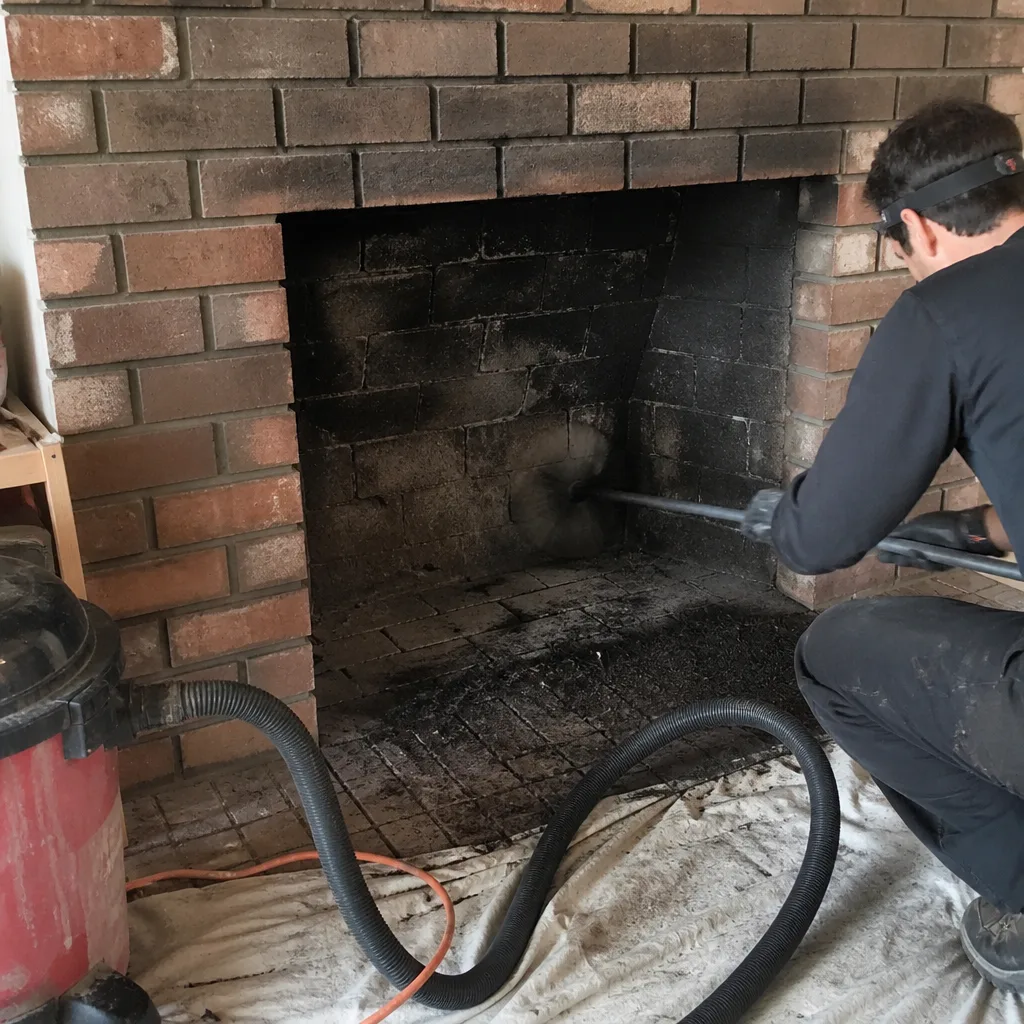 Before
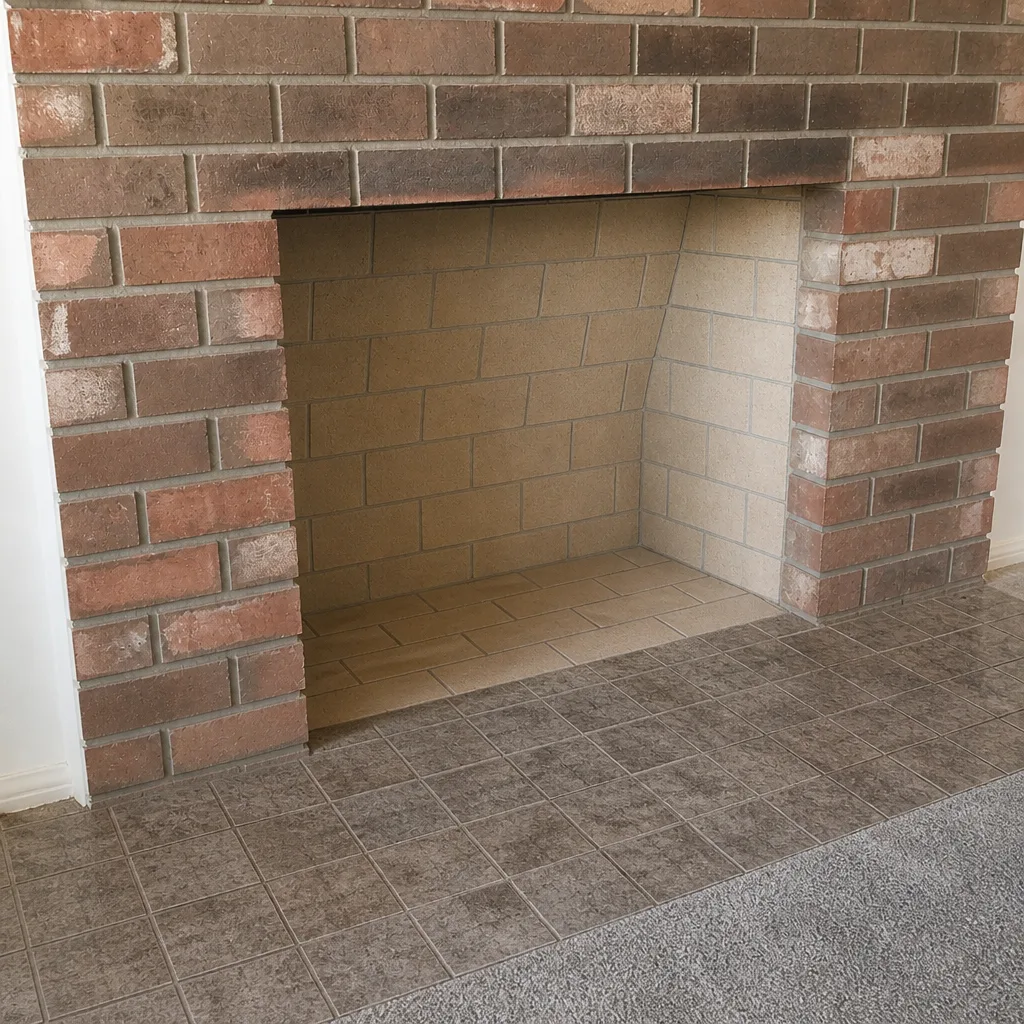 After
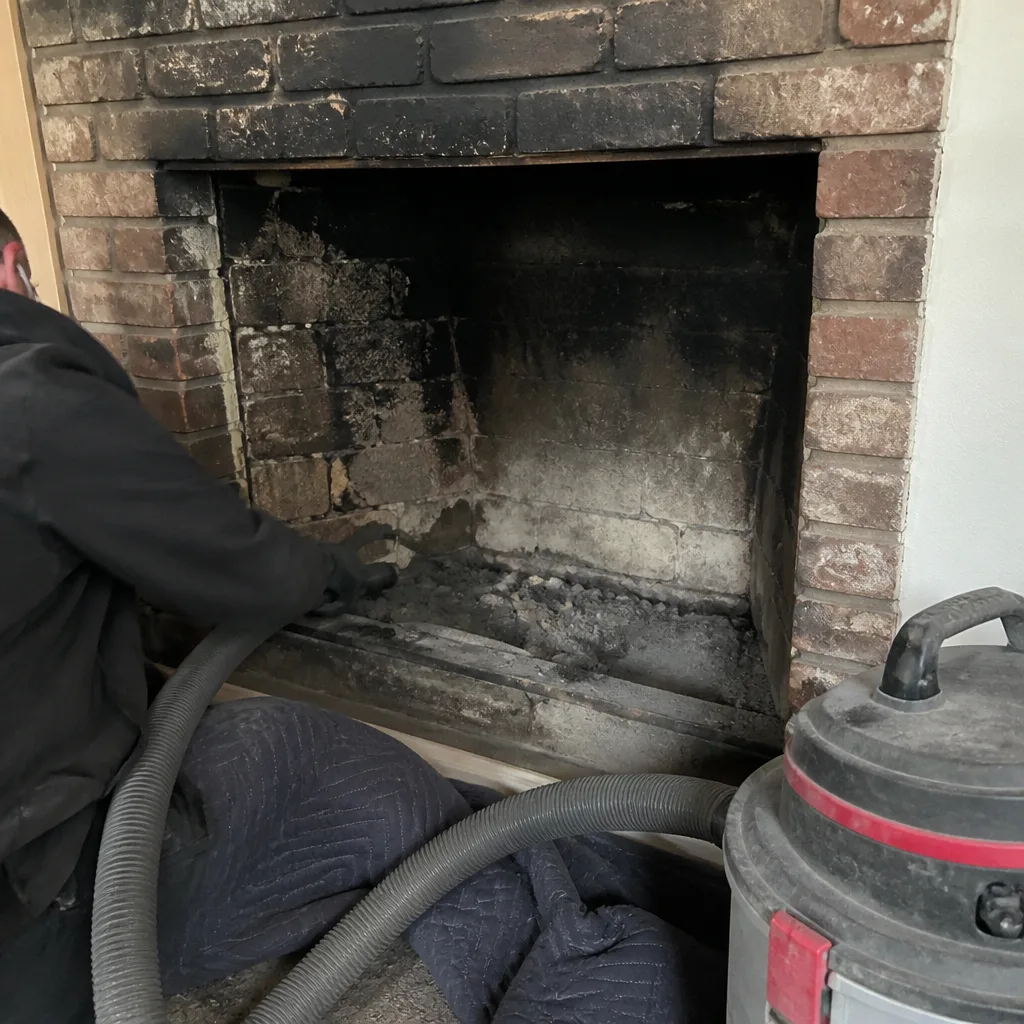 Before
 After
 Before
 After
When to Call a Professional
Some items on this checklist you’ll handle with a phone photo and a note. Some need a trained sweep. Call when you see glazed creosote, cracks in the liner, moss or crumbling on the crown, efflorescence on the brick, or flashing that has pulled away. Call after any suspected chimney fire, roof leak, or storm damage. And call when you’ve burned two cords of wood or run a gas fireplace heavily since your last service, even if the date says you’re fine. For a full inspection, a sweep, a cap or crown repair, or liner resurfacing with a system like DuraFlex or HeatShield, we can help. Renton Chimney Sweep Pros offers free estimates in Renton. Call (877) 792-7176. We answer 24/7. Fast dispatch from 7am to 7pm, Sunday through Friday.
Frequently Asked Questions
Most Renton chimneys should be swept and inspected once a year, but burn volume overrides the calendar. If you burn two cords of wood or more in a season, or run a gas fireplace heavily, book a service even if it’s been less than a year. Track your cords and gas hours, and call (877) 792-7176 for an exact quote; estimates are free.
The crown is the first thing to check after winter, because it’s the item homeowners skip most and the one that leads to the costliest damage. Moss, cracks, or separation at the crown let water into the masonry, and freeze-thaw cycles widen whatever gets in. Check it from the ground with a phone or binoculars, then call if anything looks off.
You can safely check the damper, look for debris on the smoke shelf, and observe the firebox and lower flue from below, and you should photo-document all of it. Creosote removal, liner assessment, crown and flashing repair, and anything on the roof belong to a trained sweep. When in doubt, call (877) 792-7176 and we’ll tell you what the job needs.
Moss on the crown means moisture is staying on the chimney top long enough to support growth, which is the same moisture that deteriorates the crown and the masonry below it. It’s a cue to book an inspection, not a cosmetic issue to ignore. We install caps and repair crowns built to shed water, and we can look at yours. Call (877) 792-7176.
You know a liner needs attention when you see visible cracks or gaps looking up from the firebox, glazed creosote, or water damage inside the flue. A camera inspection confirms it. We work with DuraFlex liner systems and HeatShield ceramic resurfacing, which lets us specify the right fix for your liner type rather than a one-size-fits-all answer. Call (877) 792-7176 for a free estimate.
Skipping maintenance lets two problems build at once: creosote inside the flue and moisture damage outside. Creosote is fuel, and glazed buildup ignites easily; moisture breaks down the crown, brick, and flashing, and the repairs grow larger each year you wait. A yearly inspection catches both while they’re small. Call (877) 792-7176 to book one.
The Bottom Line
A Renton chimney checklist has to work on two fronts: keeping water out and keeping creosote down. Check the crown, brick, and flashing after every wet season, do a safe interior observation pass before fall, and track your burn volume so you know when two cords or heavy gas use means it’s time. Take photos every year so you can see deterioration and verify what any contractor tells you. Handle the safe observation items yourself and leave creosote removal, liner work, and roof-level repairs to a trained sweep. From cap to firebox, one call can cover the whole checklist when you’re ready.
Renton Chimney Sweep Pros is a chimney specialist, not a general handyman, and we handle inspection, sweep, cap and crown, fireplace repair, and chimney repair together. We source professional-grade components through Olympia Chimney and work with Gelco caps, DuraFlex liners, HeatShield resurfacing, and Copperfield components, so we specify the right product for your liner type. Our technicians have up to 12 years of experience. When you’re ready for a free estimate, call (877) 792-7176. We answer 24/7. Fast dispatch from 7am to 7pm, Sunday through Friday. Start at Renton Chimney Sweep Pros and we’ll take it from there.
Written by the team at Renton Chimney Sweep Pros.