
Last updated November 24, 2026
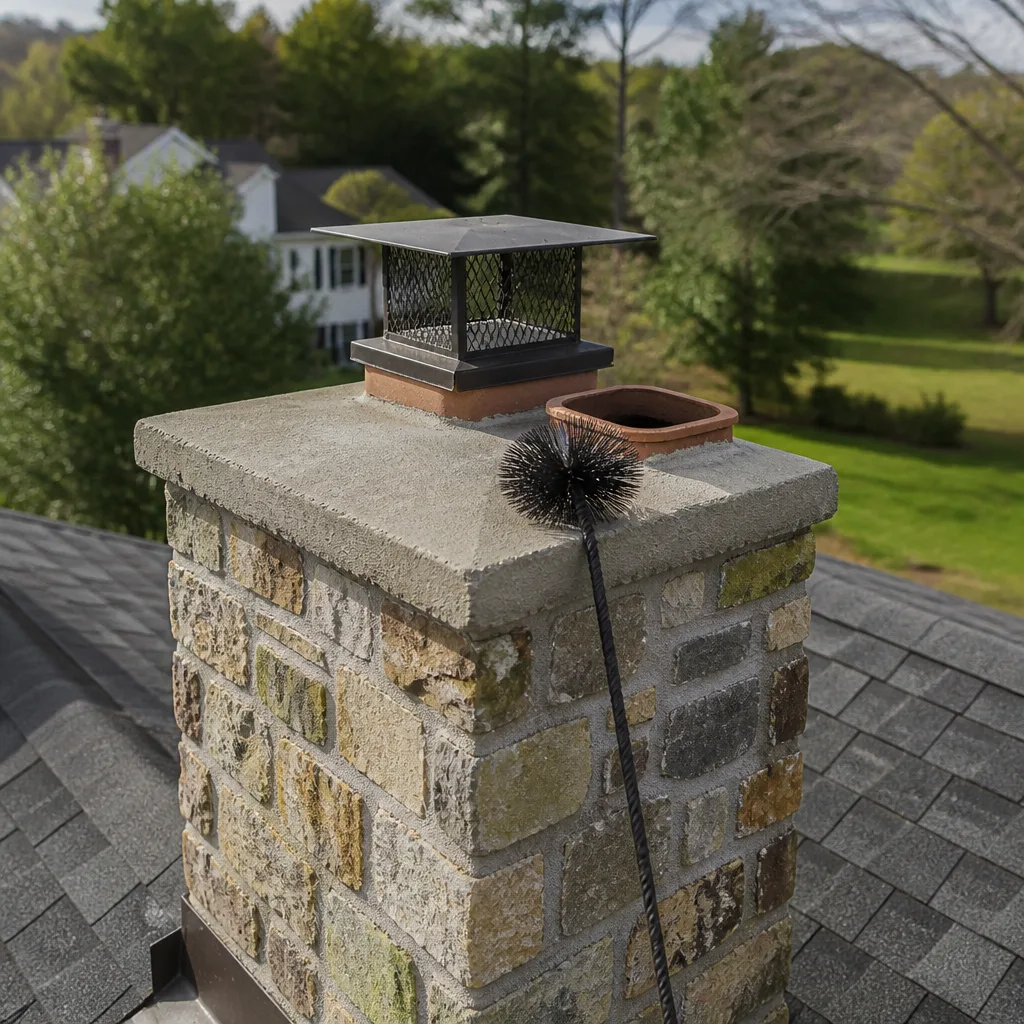 Sweep & inspection
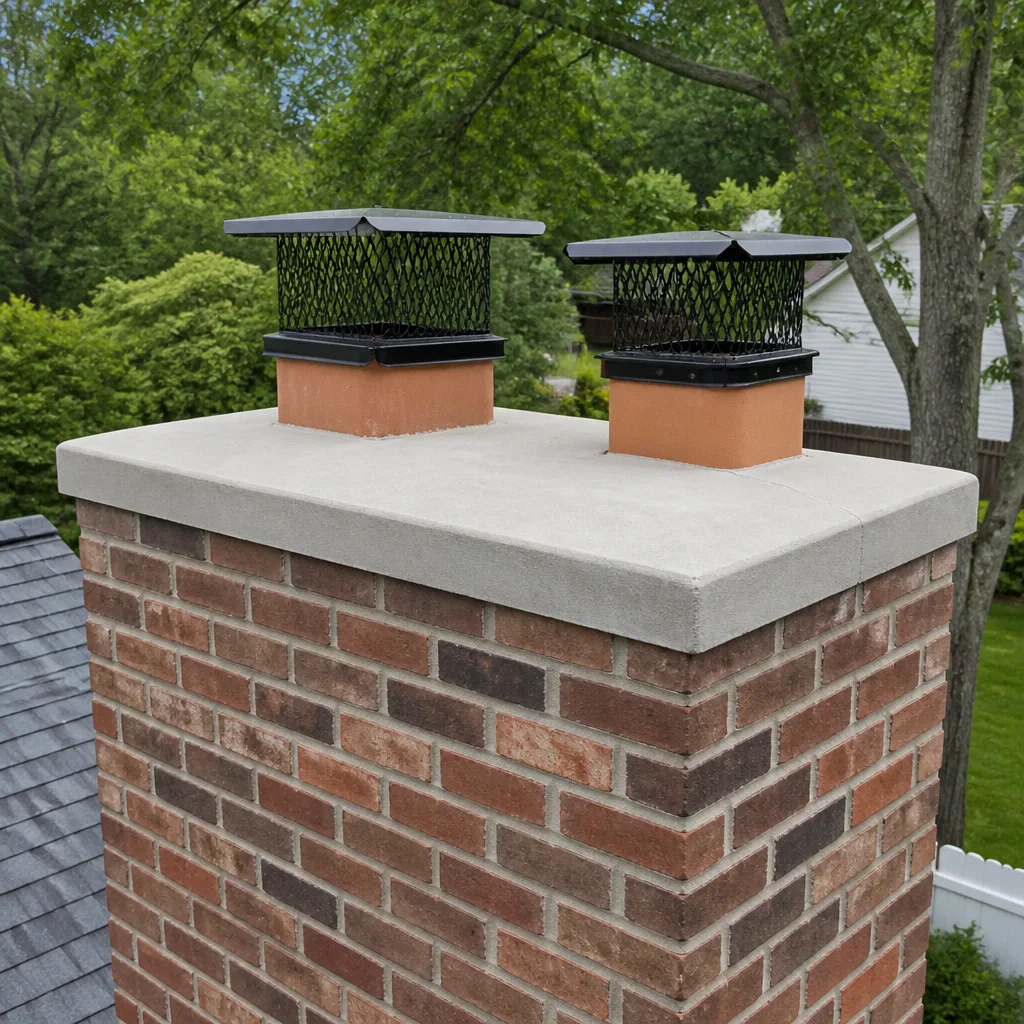 Caps & crowns
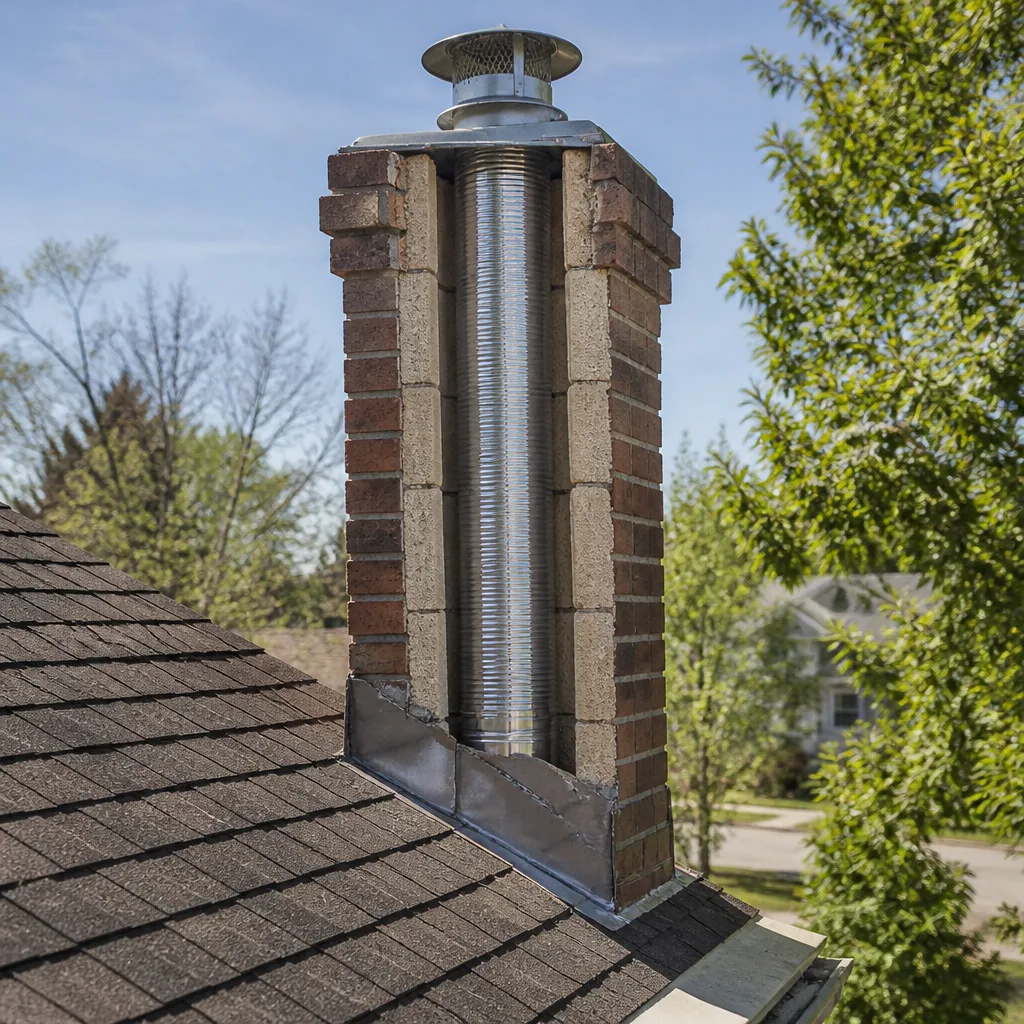 Flue relining
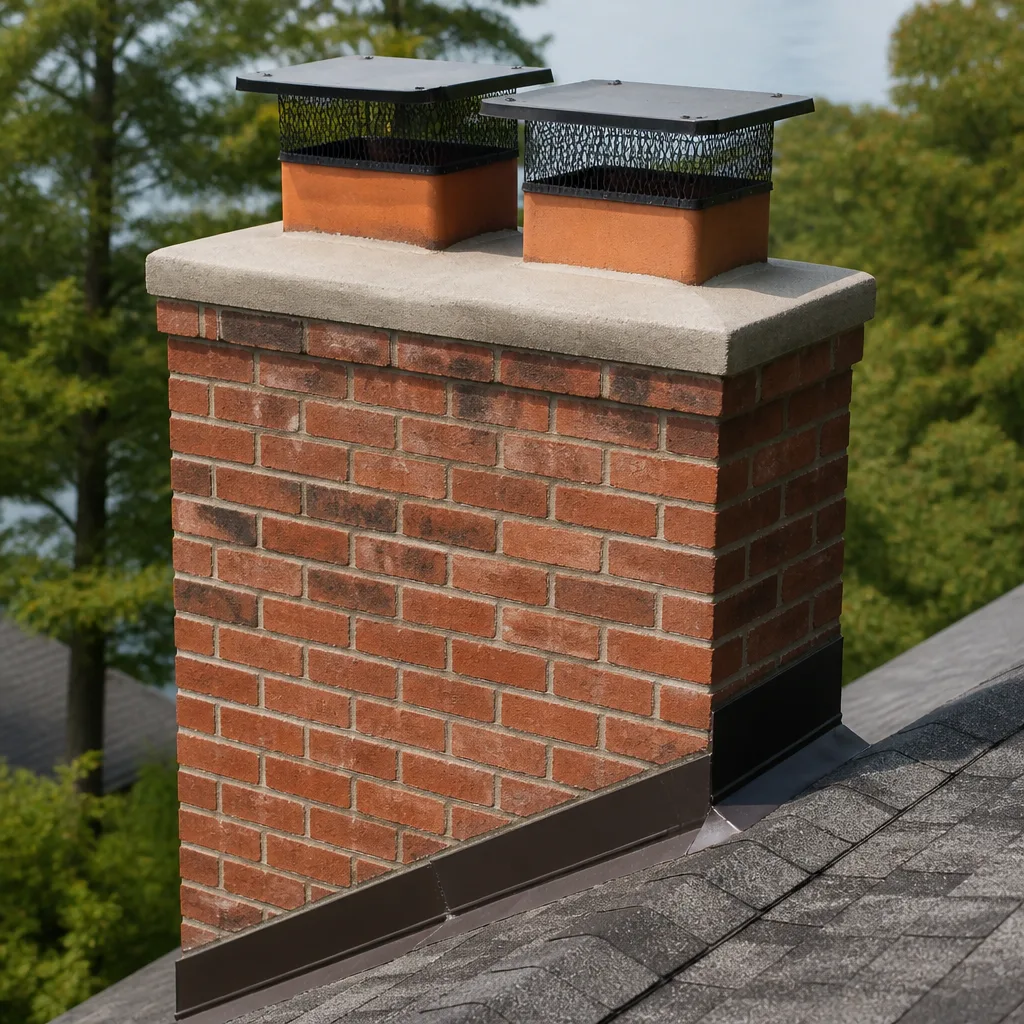 Masonry repair
 Gas fireplace service
Level 1 sweep and inspection to the NFPA 211 annual standard - flue, crown, cap, and flashing checked and photographed
Chimney sweep logs do not sweep chimneys. They loosen some creosote - which then falls where a brush and vacuum still have to collect it.
Choosing the Right Chimney Cleaning Brand: A Buyer’s Guide for Renton
A stainless steel liner listed as “316L alloy” and one listed simply as “stainless steel” are not the same product, and the difference shows up after three winters of wood smoke. That’s the part most homeowners never see. The sweep comes, the quote has a number on it, and the product behind that number is never specified. But the liner alloy, the cap gauge, the crown sealant, the mortar used for resurfacing: these are what determine whether your chimney holds up or needs tearing open again in a few years. This guide walks Renton homeowners through the product categories where brand and specification actually matter, how to read a spec sheet, and how to spot a quote that’s hiding cheap materials behind a professional-sounding number.
Quick Answer
The chimney products a sweep installs matter as much as the sweep’s technique. Professional-grade liner systems, caps, and sealants from established manufacturers, matched to your fuel type and flue, perform measurably better than hardware store substitutes. Ask for the brand name, the alloy grade, and the UL listing before you approve any work. If the quote won’t name the product, it’s not a professional-grade job.
Styles & brands we work with
- Sweep & inspection
- Caps & crowns
- Flue relining
- Masonry repair
- Gas fireplace service
Table of Contents
- Why the Brand Behind the Brush Matters
- Liner Systems: Alloy Grade, Wall Thickness, and UL Listing
- How to Read a Liner Product Spec Sheet
- Chimney Caps: Gauge, Mesh Size, and Warranty
- Crown Sealants: Elastomeric vs. Standard Masonry
- Matching Product to Fuel Type
- Red Flags in Contractor Material Specs
- What Renton Conditions Mean for Your Chimney Products
Why the Brand Behind the Brush Matters
Most homeowners think about chimney service as a cleaning task. A brush goes up, soot comes down, done. And that’s part of it. But the reason a chimney sweep visit matters is what the technician sees and recommends while the flue is open. A sweep who can’t name the product going into your chimney is a sweep who is either passing work off to someone else or installing whatever the local hardware store had on the shelf.
In our experience, the gap between professional-grade and off-the-shelf shows up in three places:
- Liner longevity. A properly specified stainless liner can outlast the appliance it serves. A thin, ungraded liner can fail years sooner, and failure isn’t obvious until smoke or carbon monoxide starts moving the wrong direction.
- Moisture resistance. Chimney caps and crowns are your first defense against rain. Renton sits in a wet-climate winter cycle where moisture intrusion is a real, recurring problem, not a theoretical one. A cap that warps or a crown that cracks lets water into masonry, and masonry that stays wet starts spalling.
- Resurfacing durability. When a flue liner has deteriorated to the point that resurfacing is the right call, the material used for the job determines whether the fix lasts five years or twenty.
That’s why brands matter to Renton homeowners. When the tech is on your roof, you can’t inspect the liner installation. You have to trust the material spec. The brand name on the product, and the standard it’s built to, is how you verify what goes into your home.
Liner Systems: Alloy Grade, Wall Thickness, and UL Listing
A chimney liner is the pipe inside your chimney that carries flue gases up and out. If you have a fireplace or wood stove, the liner is the component that makes the whole system safe. If it’s cracked, missing, or the wrong material for your fuel, you have a real problem.
The three specifications that matter most on any liner quote:
- Alloy grade. Most residential liners are 304 or 316L stainless steel. The difference isn’t marketing. 316L has molybdenum added, which gives it better resistance to chlorides and acidic condensates. For wood-burning applications, 316L is the more durable choice. For gas, 304 is often fine. If the quote doesn’t say the alloy, the quote isn’t specific enough.
- Wall thickness. Measured in thousandths of an inch, wall thickness determines how much physical abuse the liner can take during cleaning. A thinner liner is cheaper and wears faster.
- UL 1777 listing. This is the safety standard for chimney liners. Any professional-grade liner is listed to UL 1777, and the listing documentation should be available on request. If a contractor can’t show it, the product isn’t lined up properly.
DuraFlex liner systems are part of our regular product inventory, and they’re the kind of professional-tier brand homeowners should expect to see on a serious liner quote. We specify the right product for your liner type rather than defaulting to one brand for every job.
How to Read a Liner Product Spec Sheet
Newer homeowners who aren’t familiar with trade materials often don’t know where to start on a spec sheet. Here’s how to read one in six steps.
- Look for the UL listing number, not just the words “UL listed.” The listing should cite a standard: UL 1777 for chimney liners. A manufacturer that has actually been through the listing process will say so.
- Find the alloy grade. The sheet should say 304, 316, or 316L stainless. If it just says “stainless steel,” ask which alloy and why that alloy for your fuel type.
- Find the wall thickness. It may be listed in inches or thousandths. Compare across quotes; a quote with no thickness spec is a quote with no spec.
- Check the temperature rating. Liners carry a maximum continuous temperature. For a wood-burning appliance, that rating should be clearly above what your flue sees during a hot fire.
- Look for the test method. A professional-grade system will tell you how it was tested, not just that it was tested.
- Verify the documentation is available. Ask for a copy of the listing before you approve installation. A serious contractor will have it.
If you’re having this conversation with a sweep and the answers are vague, that’s information. It’s not the only reason to walk away, but it’s a clear one.
Chimney Caps: Gauge, Mesh Size, and Warranty
The chimney cap is the small metal lid over the flue terminus. It keeps rain out, keeps animals out, and keeps sparks from landing on your roof. It’s an inexpensive part of the chimney system and a hugely important one.
Here’s where the brand difference is most visible. Big-box chimney caps are often made of thin, galvanized steel with a spot-welded mesh panel. They cost little and can last a few seasons before they rust through or the mesh detaches. Professional-grade caps from manufacturers like Gelco or Copperfield are built from stainless steel, welded rather than spot-welded, with mesh sized to exclude animals without blocking airflow.
What to look for in a cap spec:
- Gauge of steel. Thicker gauge resists deformation from wind loads and holds its shape through freeze-thaw cycles. Thin caps rattle loose or warp at the seams.
- Mesh size. The mesh needs to be fine enough to keep out squirrels, birds, and bats while open enough to allow full flow. Standard mesh is a reasonable balance; oversized mesh is a common cost-cutting measure that lets animals through.
- Warranty terms. A professional-grade cap typically carries a meaningful warranty. If the manufacturer will stand behind it for years, you know the gauge and construction are serious.
- Attachment method. A cap that’s screwed down with stainless hardware holds; a cap held with bailing wire or aluminum zip screws will eventually walk off in the wind.
We treat chimney cap & crown as a standalone service for exactly this reason. The cap is not an accessory; it’s the roof of your chimney system, and its failure begins the moisture cycle that damages everything below it.
Crown Sealants: Elastomeric vs. Standard Masonry
The crown is the concrete or masonry cap at the very top of the chimney itself, above the flue. It sheds water away from the brickwork below. When the crown cracks, water runs into the masonry and starts the freeze-thaw pattern that causes spalling brick and a chimney that looks worse every year.
Crown repair products come in two basic categories:
Standard masonry patching materials are the traditional fix. They can work on a crown that has hairline cracks and no structural problem. They’re rigid, so they don’t flex with the chimney as it warms and cools through the seasons. In a Renton winter, that’s a real limitation, because the top of the chimney sees the widest swings between warm and cold.
Elastomeric crown sealants are formulated to stay slightly flexible after cure. On a chimney crown that flexes with heat, that flexibility is what prevents the small cracks that start the moisture cycle. They’re the right choice when the crown has surface cracking but is otherwise sound.
When the flue liner itself is the problem, resurfacing is a different product category entirely. HeatShield ceramic resurfacing is a professional-grade material that gets formed into the existing flue to rebuild the liner from the inside. It’s the kind of work that many sweep-only companies can’t offer, because it requires both the product and the specific technique. From cap to firebox, the materials are what determine how the job ages.
Matching Product to Fuel Type
One of the clearest signs of a professional-grade operation is that they match the product to the fuel without being asked. Gas, wood, pellet, and oil all place different demands on a liner.
- Wood-burning: Wood smoke is acidic and produces condensate that corrodes metal over time. 316L stainless is the standard choice, and correct wall thickness matters. The liner needs to be sized to the appliance, not to the flue.
- Gas: Gas is cleaner but produces more water vapor per unit of heat, so a poorly specified gas liner can corrode faster than expected. 304 stainless is common, but sizing and venting category matter as much as the alloy.
- Pellet: Pellet appliances run at higher, more consistent temperatures and often use a smaller flue. The right liner for a pellet stove is not always the same product as the right liner for a fireplace insert.
- Oil: Oil appliances produce sulfur-bearing flue gases that demand specific corrosion resistance. This is a category where the wrong material is a mistake you’ll find out about later.
A qualified sweep will ask about your appliance before recommending product. If the fuel type never comes up, that’s a sign the quote isn’t being built around your chimney.
Red Flags in Contractor Material Specs
The phrases below are worth flagging when you’re looking at a written quote. None of them means the contractor is dishonest. Any of them means you should ask more questions before you sign.
- “Standard liner.” There’s no such standard product. Ask which alloy, what wall thickness, and which UL listing.
- “Quality cap.” Quality is not a specification. Ask for the gauge and the brand.
- No brand named anywhere on the quote. A serious product-installation quote names the product.
- No UL listing documentation available. Any professional-grade liner has UL 1777 documentation. It should be available on request.
- Elastomeric crown work priced as standard masonry. These are different materials and different labor. A price that doesn’t distinguish them is a price that isn’t specific.
- HeatShield resurfacing quoted as “roughly the same as a liner.” Resurfacing is a specific service with its own application process and its own evaluation criteria. A contractor who treats it as interchangeable with a full liner replacement may not be equipped to do it properly.
- No mention of fuel type or appliance on the quote. The product should have been selected for your appliance. If the quote doesn’t say so, the product probably wasn’t.
We source from Olympia Chimney for supply-chain access to professional components, which lets us produce accurate, durable quotes across the products a given job needs. If you’re comparing quotes from other chimney specialists in the area, compare the product specs line by line, not just the totals.
What Renton Conditions Mean for Your Chimney Products
Renton sits in a climate that puts specific demands on chimney materials. Winters are wet, and the top of the chimney takes the brunt of it. Wood-burning season aligns with the wet months, so the chimney is cycling between hot and cold, wet and dry, while it’s also shedding acidic condensate inside the flue.
That combination is why the product specs matter so much locally. A cap that holds up in a dry climate can fail in a wet one, and a crown sealant that works in a moderate climate can crack in the freeze-thaw cycle Renton chimneys see. The brickwork on older homes around the Renton Highlands and Kennydale areas is worth a closer look for exactly this reason, since older masonry was often laid with materials that don’t perform the same way under modern product comparisons.
In our experience, when Renton homeowners ask what a chimney job is going to need, the answer is often driven by what the chimney has already been through. Moisture intrusion from a failing cap or crown is the most common thing we look for. If a chimney has been losing the moisture fight for a few years, the product recommendations shift from cap replacement to crown rebuilding, and sometimes to flue resurfacing.
The good news is that the fix usually extends chimney life significantly. A cap and crown installed with professional-grade materials is the highest-return dollar on the whole chimney system. That’s why we treat it as its own service line rather than an afterthought on a sweep.
Common Mistakes to Avoid
- Approving work on a verbal product spec. If the quote doesn’t name the brand and the material grade, ask for it in writing before work starts. Verbal “we’ll use a good liner” isn’t a spec.
- Assuming a liner is a liner. Alloy grade and wall thickness vary widely, and the differences show up years after installation. Ask for UL 1777 documentation before approving installation.
- Choosing a hardware store cap for a professional chimney. Big-box caps are often thin galvanized steel with spot-welded mesh, and they typically don’t hold up in a wet climate. A proper stainless cap is not much more expensive and lasts far longer.
- Treating crown sealant as interchangeable with masonry patch. In Renton’s wet winters, elastomeric sealants hold better than rigid masonry patch. The material choice matters, not just the labor.
- Skipping the fuel-type conversation. A liner specified for a gas insert is not the right liner for a wood-burning fireplace. If the contractor didn’t ask about your appliance, the product isn’t specific to your chimney.
- Assuming resurfacing and liner replacement are interchangeable. HeatShield resurfacing is a specific service for specific conditions. It’s not the same as a full liner replacement, and the evaluation that determines which is appropriate isn’t something a sweep-only company can typically offer.
- Letting a cheap cap or crown sit through multiple winters. The small dollar amount on the cap hides the potential cost of what moisture intrusion does to masonry over several wet seasons. Fix small before it becomes structural.
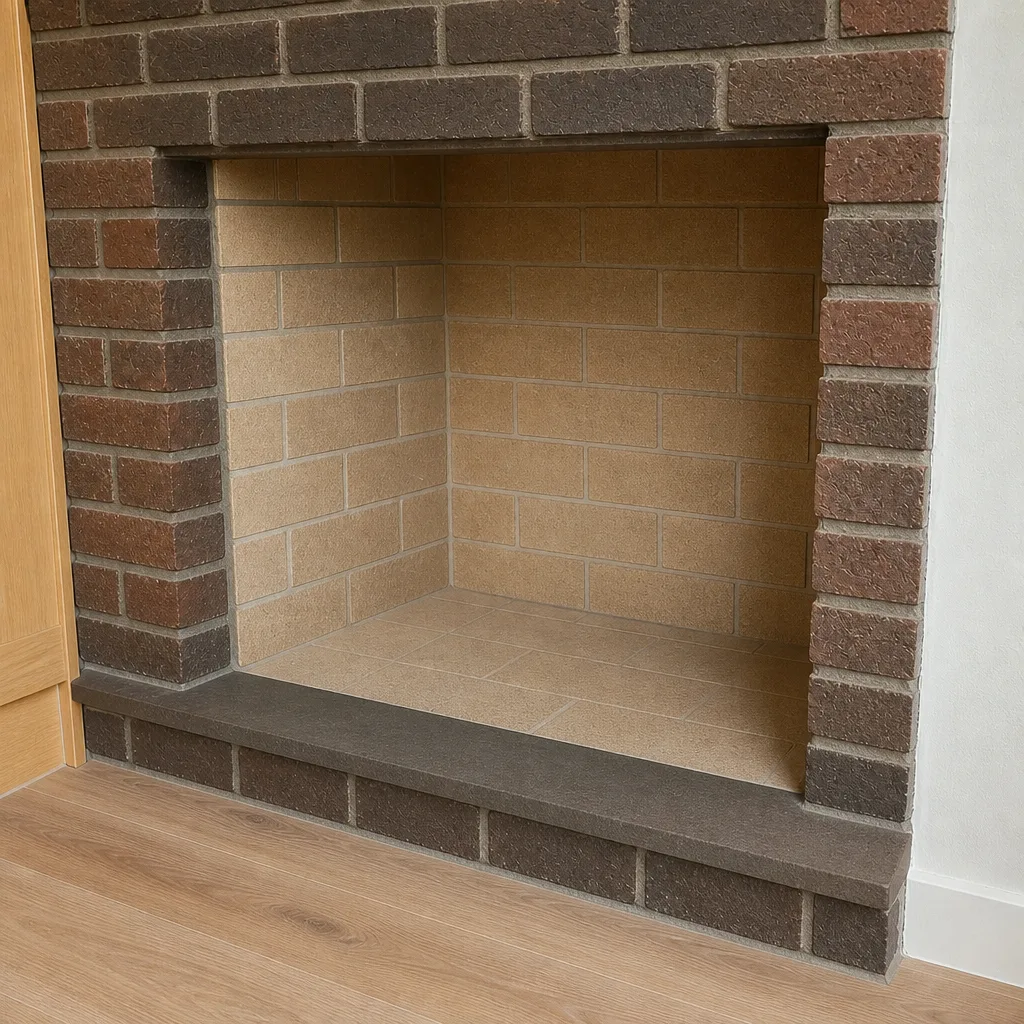
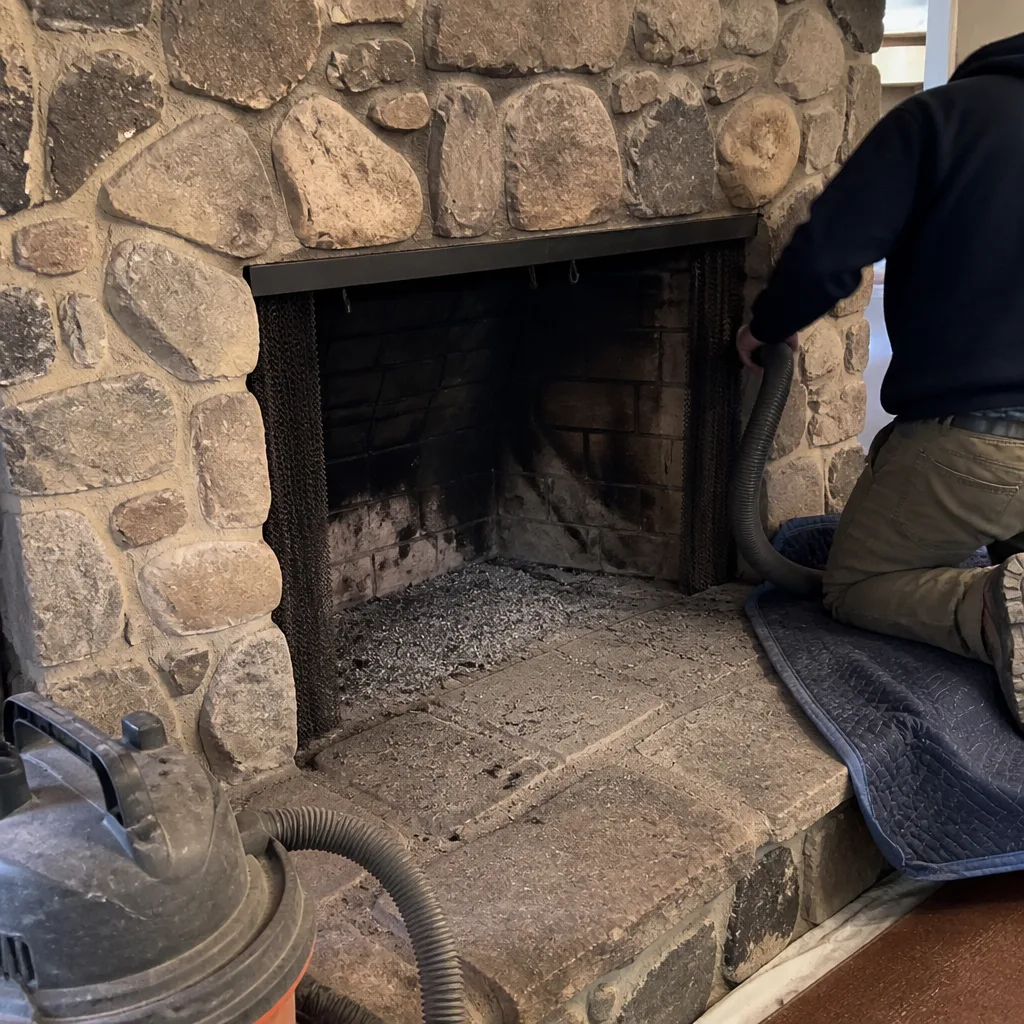
See the difference
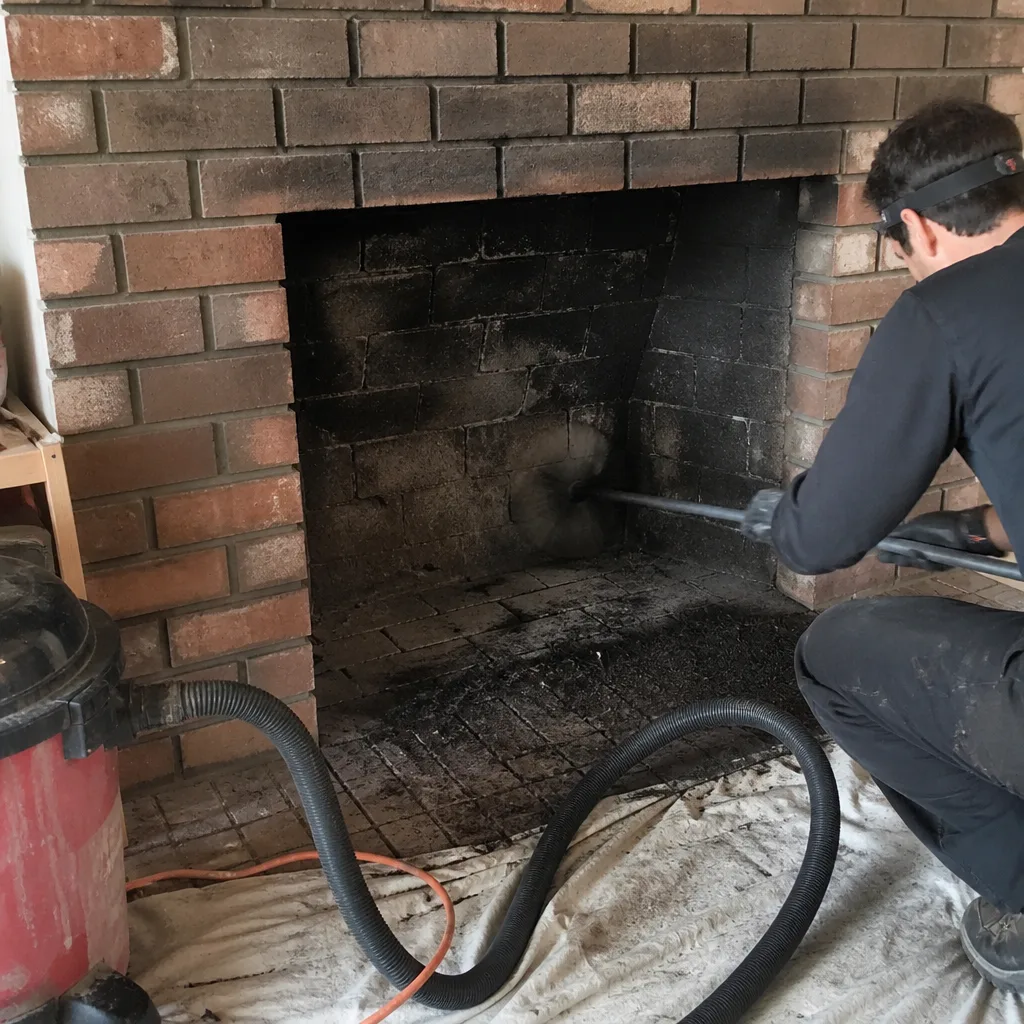 Before
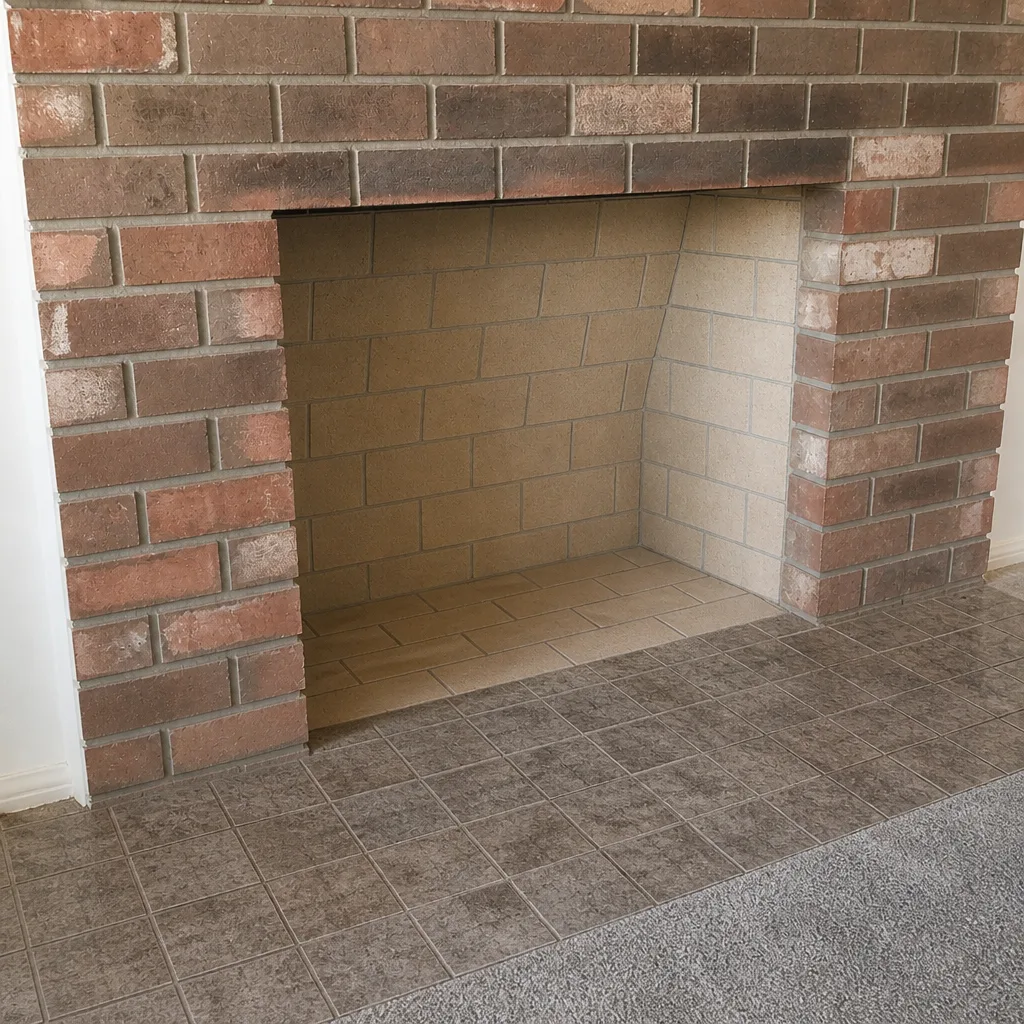 After
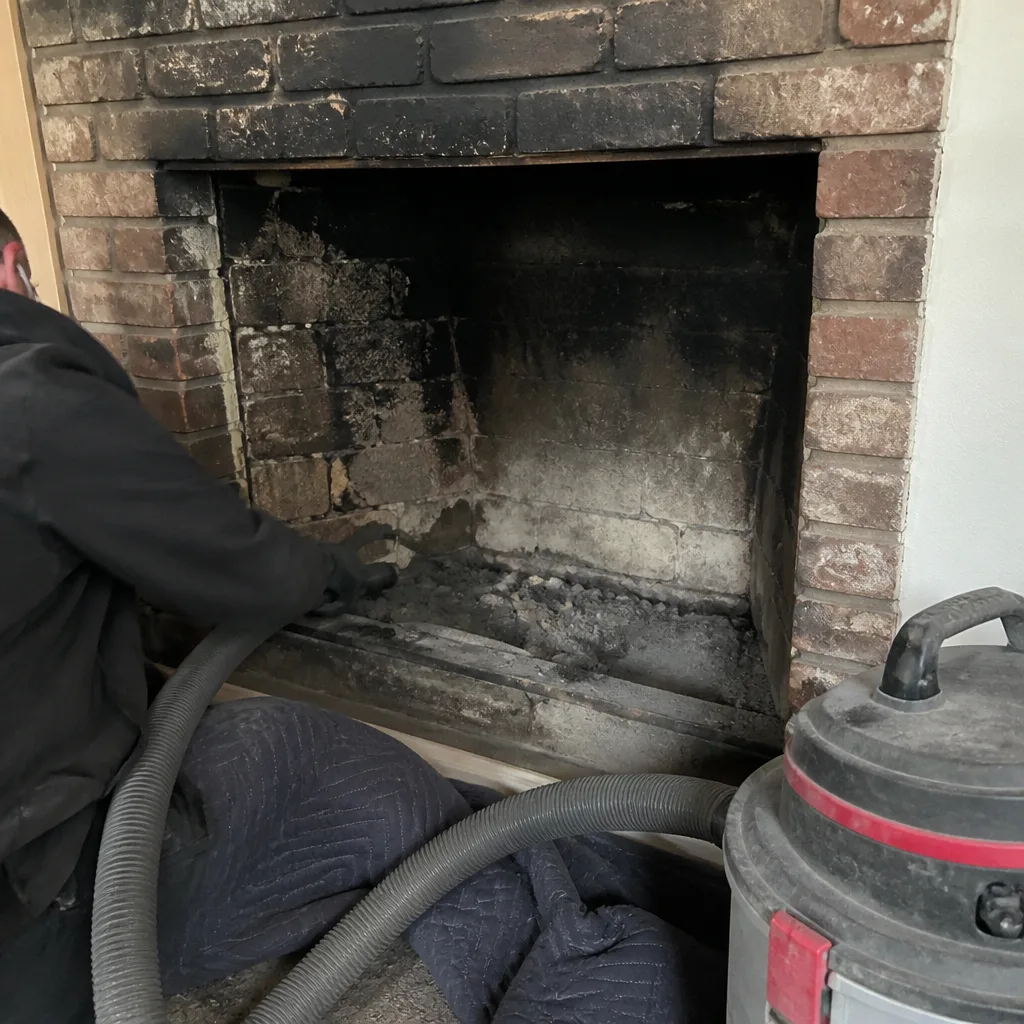 Before
 After
 Before
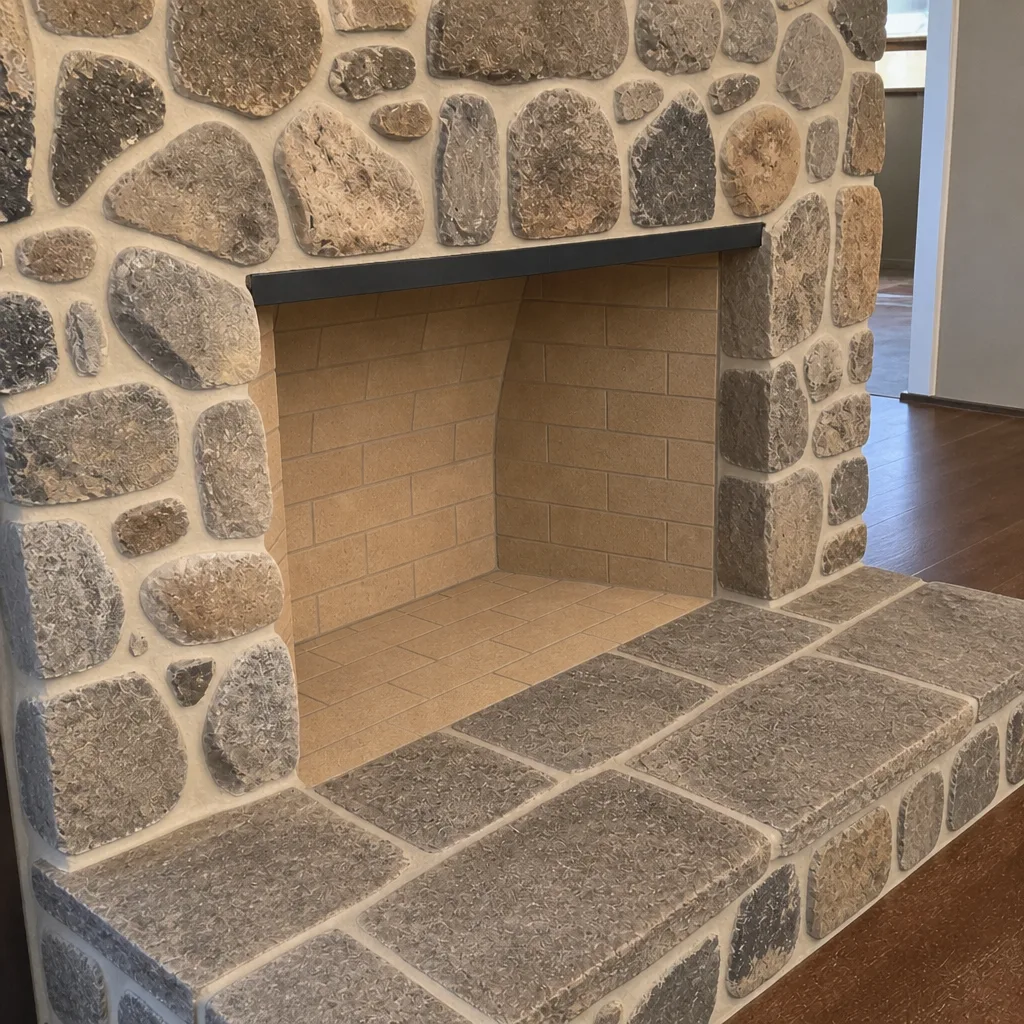 After
When to Call a Professional
Call a professional when the answer to “what do I need?” requires knowledge of liners, crowns, caps, or fireplace structure, not just a brush. Call when your chimney cap is loose, damaged, or missing. Call when you see cracked masonry or a crumbling crown. Call when your fireplace smokes indoors or you notice corrosion on the damper. Call before the burning season starts if it’s been more than a year since your last inspection. And call when a quote you’ve received doesn’t name a product or an alloy grade, because getting a second written estimate is how you verify the materials before they go into your home.
For fireplace repair and anything structural, a chimney-specialist company should be the first call, not a general handyman. Renton Chimney Sweep Pros offers free estimates in Renton. Call (877) 792-7176. We answer 24/7. Fast dispatch from 7am to 7pm, Sunday through Friday.
Frequently Asked Questions
Professional-grade means the product was designed, tested, and listed for its chimney application, with a UL listing, a specified alloy grade or gauge, and a manufacturer warranty behind it. Hardware store alternatives are sold as generic components without a specific application standard. The performance difference shows up over years of use, not at installation.
Yes, always. Any serious chimney specialist will name the brand and the specification on the quote without being asked. A quote that just says “standard liner” or “quality cap” isn’t specific enough to compare against other quotes. Call (877) 792-7176 for an exact quote – estimates are free.
UL 1777 is the safety listing standard for chimney liners. A liner that’s listed to UL 1777 has been tested to a published standard for temperature resistance, construction, and performance. Any professional-grade liner should have this listing available as documentation, and it should be on the spec sheet.
316L is generally the more durable choice for wood-burning applications because its molybdenum content resists the acidic condensate that wood smoke produces. 304 is often fine for gas appliances. The right alloy depends on your appliance and your flue; ask the contractor to explain the choice for your specific setup.
Wet winters put more stress on the cap and crown because those are the surfaces that shed the water. Freeze-thaw cycles then accelerate any small crack that’s already started. That’s why professional-grade stainless caps and elastomeric crown sealants matter more in a Renton climate than the price difference suggests.
HeatShield resurfacing is available in the Renton area through chimney specialists who carry it as a product line. Whether resurfacing or a full liner replacement is the right answer depends on the liner’s actual condition, which is why an inspection with a camera comes first. A sweep-only company may not offer either, which is one reason to work with a specialist.
Once a year is the standard recommendation for any chimney that’s actively used, and any time the fuel type or appliance changes. An inspection is when product recommendations get made, so it’s also when you want to be talking to a specialist rather than a general handyman. Call (877) 792-7176 for an exact quote – estimates are free.
A sweep cleans the flue. A chimney specialist does that plus inspection, product specification, liner systems, caps, crowns, and structural repair. If your job requires anything beyond cleaning, the specialist is the right call, and one call covers it from inspection through repair.
The Bottom Line
The products behind a chimney service are what determine whether the job lasts. Liner alloy grade, wall thickness, and UL 1777 listing are not marketing details, they’re the parts of a job you’ll live with for years. Caps need gauge and mesh specs; crown work needs the right sealant for the climate; and resurfacing needs a specialist who actually carries the product. Renton homeowners have a wet-climate chimney system that deserves specific product specs, not a verbal promise. Ask for the brand, ask for the alloy, ask for the listing documentation, and compare quotes line by line. Verify the material going into your chimney before you approve installation, so you know what your money is buying. Our technicians have up to 12 years of experience, and we work with professional-tier products including DuraFlex, HeatShield, Gelco, Copperfield, Famco, and Olympia Chimney components.
Call (877) 792-7176 for a free estimate. We answer 24/7. Fast dispatch from 7am to 7pm, Sunday through Friday. If you want to start with the basics, the Renton Chimney Sweep Pros team can scope a job in one visit, and if you’re still at the research stage, our guide to what a proper inspection covers is a reasonable next read.
Written by the team at Renton Chimney Sweep Pros.