
Last updated November 24, 2026
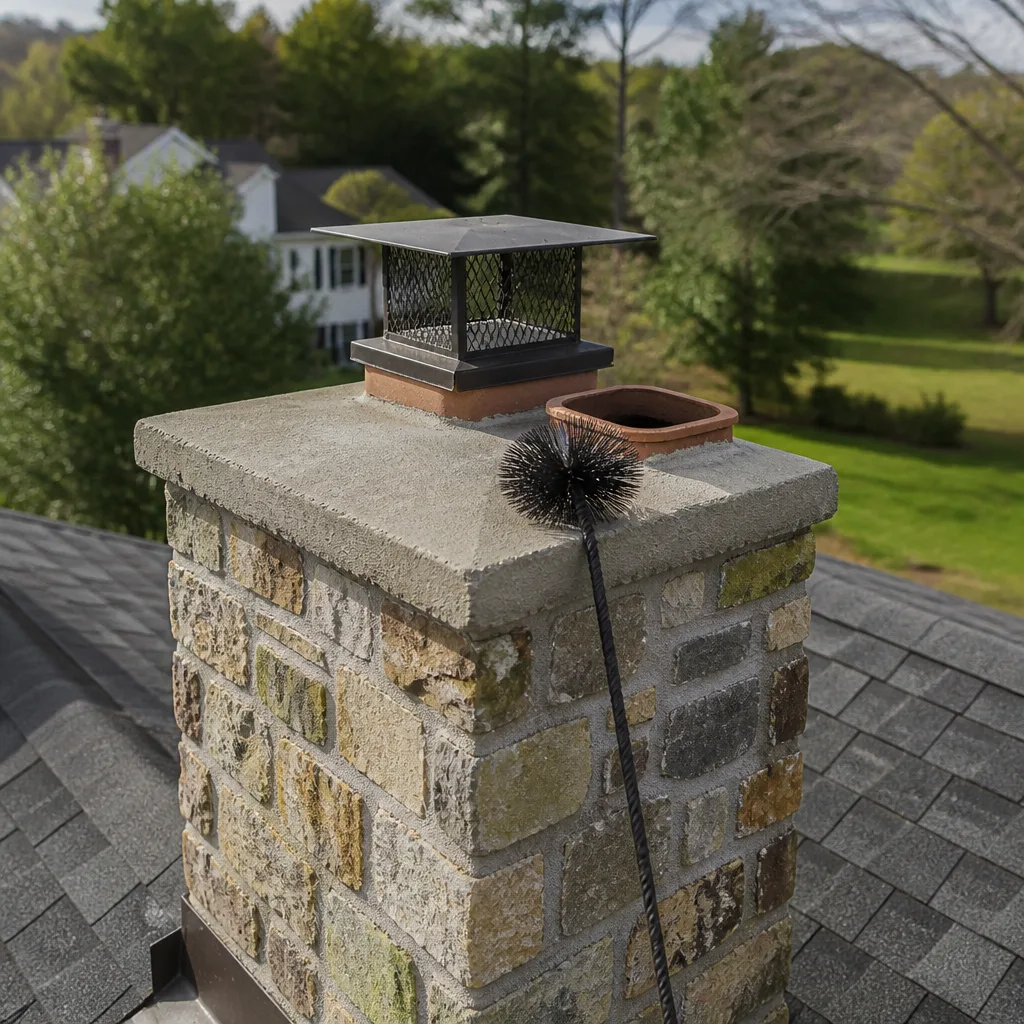 Sweep & inspection
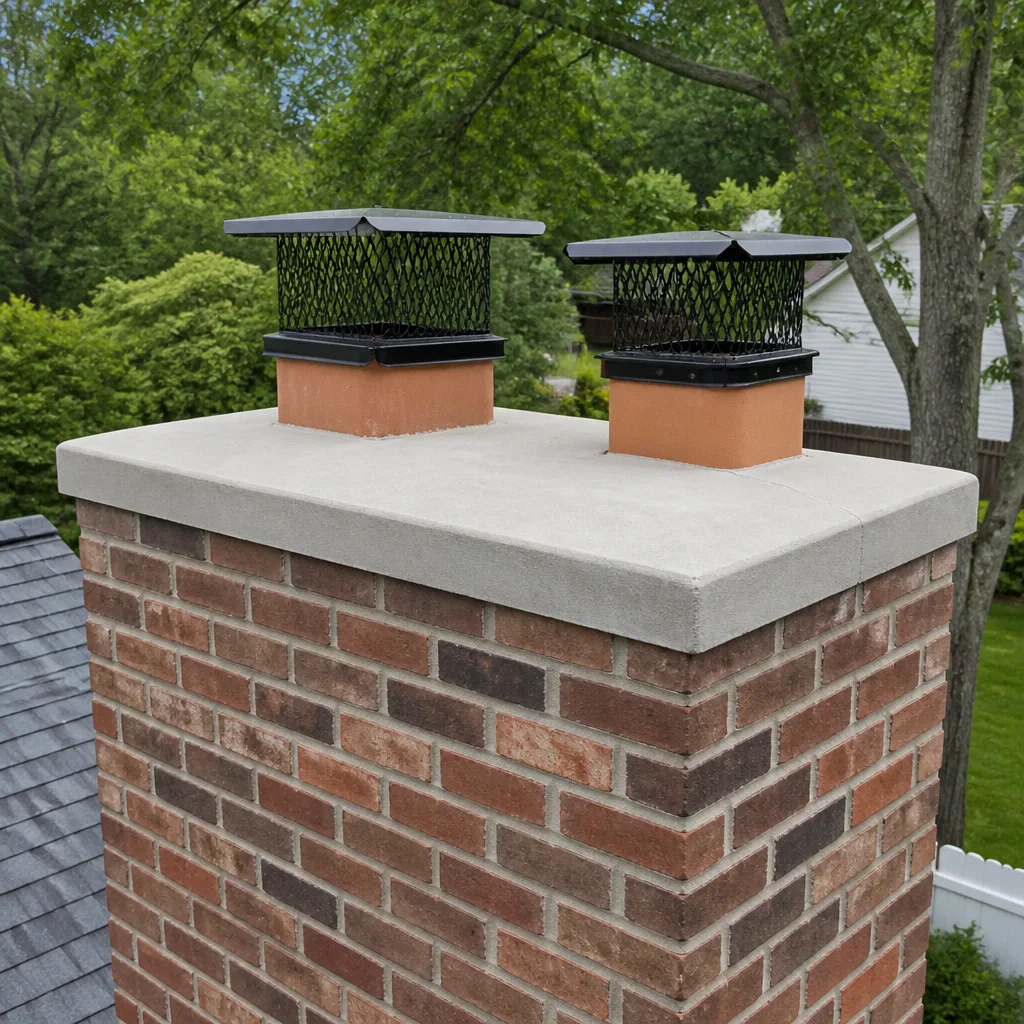 Caps & crowns
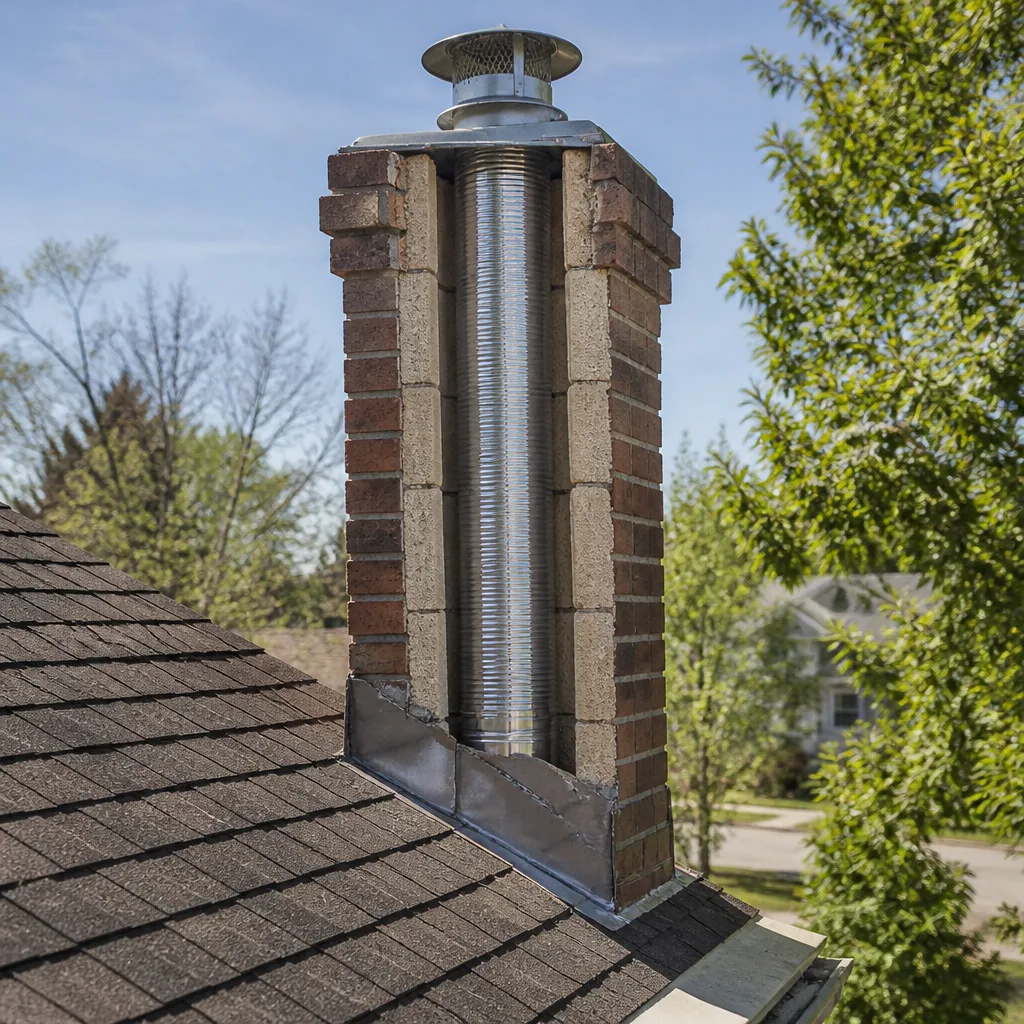 Flue relining
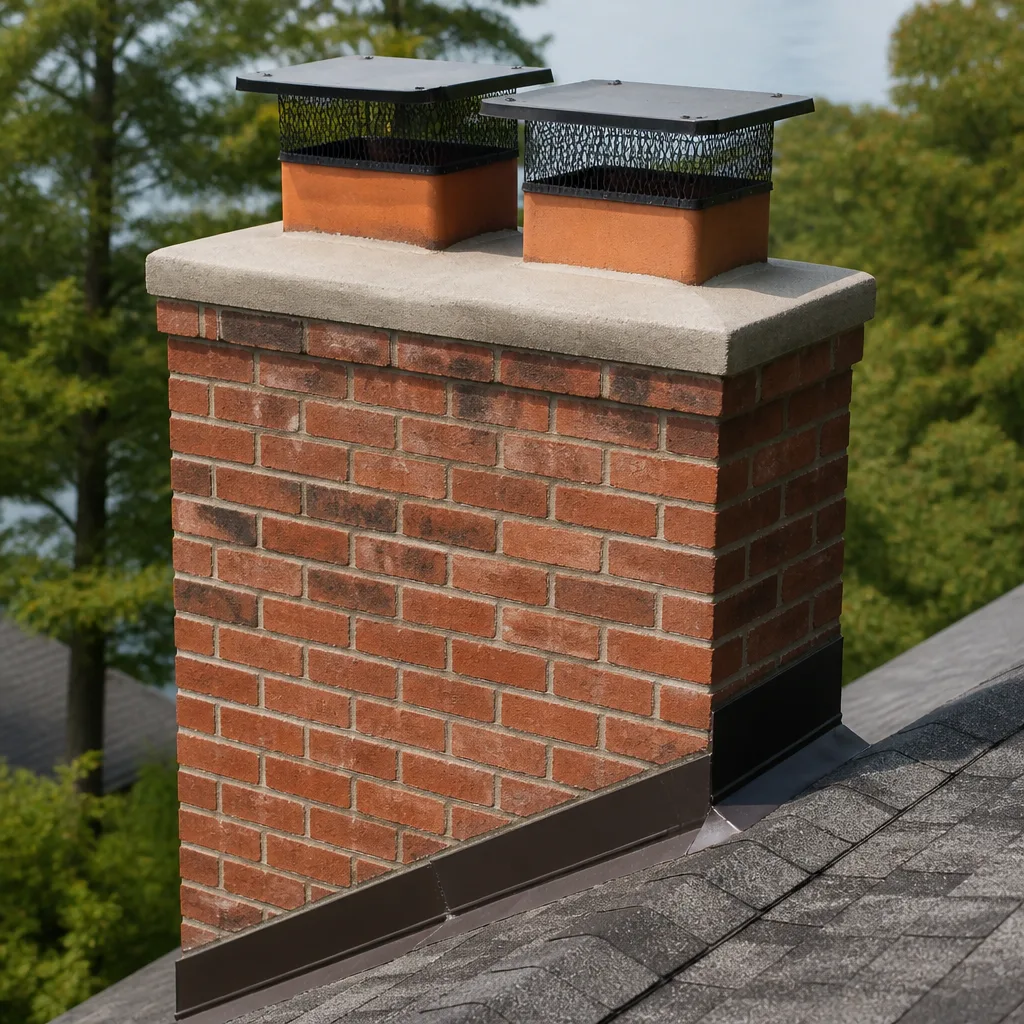 Masonry repair
 Gas fireplace service
Level 1 sweep and inspection to the NFPA 211 annual standard - flue, crown, cap, and flashing checked and photographed
Chimney sweep logs do not sweep chimneys. They loosen some creosote - which then falls where a brush and vacuum still have to collect it.
DIY vs Professional Chimney Cleaning: The Renton Homeowner’s Decision Guide
A homeowner can brush a flue clean and still miss the Stage 2 creosote glazed on the smoke chamber above the firebox, which is exactly where chimney fires start. That gap between what you can reach and what actually needs cleaning is the whole decision in front of you. Brushing a chimney is not physically impossible, and for some Renton homes it’s a reasonable piece of basic upkeep. The harder question is whether you can tell the difference between a clean flue and one that only looks clean from the top. This guide maps out where DIY chimney cleaning works, where it quietly creates a false sense of safety, and how to choose between the two without guessing.
Quick Answer
DIY chimney brushing is reasonable only for light, powdery creosote in a straight flue with a known, sound liner, no animal history, and no masonry damage. Professional cleaning is the right call any time you can’t verify those conditions, when creosote is glazed or tar-like, or when the chimney hasn’t been inspected. For most Renton homeowners burning wood regularly, a professional sweep plus inspection is the safer default because the tools and the trained eye both go further up the system than a homeowner’s do.
Styles & brands we work with
- Sweep & inspection
- Caps & crowns
- Flue relining
- Masonry repair
- Gas fireplace service
Table of Contents
- What DIY Chimney Brushing Can and Cannot Accomplish
- The Equipment You’d Need to Match a Professional Sweep
- The Safety and Liability Case for Professional Inspection
- Chimney Conditions That Make DIY Inadvisable
- The Honest Middle Path: What You Can Self-Maintain
- How a Professional Sweep Actually Works in Renton
- How Often Should a Renton Chimney Be Cleaned?
- Common Mistakes to Avoid
What DIY Chimney Brushing Can and Cannot Accomplish
A brush on a rod removes loose soot and the powdery first stage of creosote from the parts of the flue you can physically reach. That’s a real job, and it does reduce the amount of flammable material sitting in the chimney. Where DIY stops is at the deposits that matter most.
Creosote builds in three recognizable stages, and only the first is friendly to a homeowner’s brush:
- Stage 1 creosote is light, flaky, and dusty. It brushes off with moderate effort. This is the layer a homeowner can realistically clear.
- Stage 2 creosote is hardened, crusted, and glazed onto the flue wall. A brush rides over it. It needs the mechanical action of a professional rotary sweep and, in many cases, resurfacing afterward.
- Stage 3 creosote is a thick, tar-like coating that has often puffed and hardened into the flue. It is highly combustible and is not a homeowner task under any circumstances.
The bigger limitation isn’t the creosote stage. It’s geography. A brush pushed down from the top or up from the firebox follows the flue. It does not clean the smoke chamber, the sloped shelf above the damper where gases slow down and deposits collect, or the firebox itself. Those are the areas that hold heat and fuel, and they’re what a professional sweep is trained to reach. In our experience, the smoke chamber is where a lot of “I cleaned it myself” chimneys still have a problem building.
Renton’s burn season is long. Cool, wet months from fall into spring mean the fireplace runs often, and often means more creosote per season than a homeowner expects. A brush pass that feels thorough can leave a meaningful amount of fuel in the smoke chamber.
The Equipment You’d Need to Match a Professional Sweep
To actually match the scope of a professional cleaning, you’d need more than a brush and a ladder. Here’s what a proper sweep setup includes:
- Correctly sized flue brush or brushes. A brush that’s too small skips the walls; too large jams and can damage a liner. Most homes need more than one size for the flue and the firebox.
- Flexible rods or a rope-and-weight system long enough to reach the full flue height, with the control to work the walls rather than just drop through.
- A rotary whip or powered sweep head for Stage 2 deposits, which is a different tool than a hand brush.
- Drop cloths, a sealed shop vacuum with a HEPA filter, and respiratory protection. Soot is fine and travels. Without containment, cleaning the chimney means dusting the room.
- Roof access equipment for a top-down sweep, including a stable ladder setup and fall protection, especially on the steeper pitches common on older Renton homes.
- A strong light and a camera to inspect the flue after sweeping, so you know what’s left behind.
Add up the brushes, rods, vacuum, and safety gear and you’re looking at a meaningful outlay, most of which you’ll use once or twice a year. That’s before the labor of learning to use it without damaging a liner or a damper. Professional sweeping spreads that equipment cost across every job, which is part of why the per-visit price is what it is. If you want a sense of the per-job cost, the chimney sweep page lays out what’s involved.
The honest math: DIY equipment only pays for itself if you keep doing it correctly for years, and “correctly” is the part that’s hard to self-teach.
The Safety and Liability Case for Professional Inspection
Even homeowners who self-sweep should have the chimney inspected, because brushing and inspecting are two different tasks. A brush clears what it touches. An inspection evaluates the whole system: the liner, the smoke chamber, the damper, the crown at the top, the flashing where the chimney meets the roof, and the firebox masonry. An untrained eye consistently misses several things:
- Hairline cracks in a clay tile liner that aren’t visible without a camera and a trained read of what you’re seeing.
- Liner gaps or offsets where hot gases can reach framing or insulation.
- Deteriorating mortar joints in the smoke chamber that look like texture but are actually failing.
- Crown and flashing problems that let water in, which then damages the liner from the outside.
- Improper prior repairs that a previous owner or a generalist made, which can look fine from below and be wrong for the appliance.
Here’s the liability piece that matters more than the legal one: if you sweep your own chimney and something goes wrong later, you have no record that the system was ever assessed. A professional inspection produces a documented baseline. That record matters if you sell the home, if you file an insurance claim, or if a future sweep needs to compare against what the flue looked like before. In Renton, where a lot of housing predates modern liner standards, having that baseline is worth the visit even if you do your own light brushing between.
Some work is genuinely dangerous and should never be a homeowner project. Anything involving the liner, the smoke chamber, or a chimney that’s had a chimney fire is in that category. Our technicians have up to 12 years of experience and treat liner work as trade-only for good reason.
Chimney Conditions That Make DIY Inadvisable
There are specific situations where DIY cleaning isn’t just less thorough, it’s the wrong move. If any of these apply, stop and call a professional:
- Glazed or tar-like creosote. Stage 2 or Stage 3 deposits are the leading fuel for chimney fires. A homeowner brush won’t remove them and may spread them. This needs a rotary sweep and often resurfacing with a product like HeatShield for a deteriorated flue.
- Masonry damage. Spalling brick, crumbling mortar, or a firebox with loose joints means the chimney’s structure is compromised. Cleaning it can dislodge material, and the real problem is the repair, not the soot.
- Liner uncertainty. If you don’t know what kind of liner you have, or when it was last assessed, you can’t clean the flue safely. A cracked clay tile liner lets heat reach the structure. A stainless liner system like DuraFlex is a different maintenance picture entirely.
- Animal intrusion history. Birds, squirrels, and raccoons nest in flues, and nests come with debris, droppings, and sometimes a blocked flue. That’s a removal and inspection job, not a brushing job.
- A recent chimney fire. Even a small one can crack a liner and warp a damper. The chimney needs a professional assessment before it’s used again, full stop.
- Persistent smoke or draft problems. If smoke rolls into the room or the draft feels weak, the cause is a system problem, and cleaning may not fix it.
Renton’s wet winters add a condition worth naming: water intrusion. A missing or damaged cap lets rain into the flue, which degrades masonry and liner from the inside. If you see dampness or efflorescence on the chimney exterior, that’s a sign to get the cap and crown looked at, which is its own service line and not something a brush solves. Professionals know to pair cleaning with a moisture check rather than treat them as separate visits.
The Honest Middle Path: What You Can Self-Maintain
You don’t have to choose between doing everything and doing nothing. There’s real, useful upkeep a homeowner can handle between professional visits, and it mostly isn’t brushing. Here’s what’s reasonable to self-maintain:
- Exterior visual checks. From the ground, look at the chimney for cracked or missing cap pieces, damaged flashing, spalling brick, or a crooked crown. Note changes and call them in.
- Damper operation. Open and close the damper regularly so it doesn’t seize. A damper that sticks open wastes heat and lets cold air in.
- Ash management. Keep ash levels reasonable and use a metal container with a lid for removal. Don’t let ash pile up against the firebox walls.
- Burn smart. Seasoned, dry wood produces less creosote than green or wet wood. Keep the fire hot enough to burn cleanly and avoid smoldering overnight burns, which build deposits fast.
- Listen and smell. A strong creosote smell, a draft that changes, or smoke backing up are all signals to schedule a professional look.
What requires trade knowledge, and should stay out of the DIY column: evaluating the liner, cleaning the smoke chamber, assessing the crown and the chimney’s structural condition, diagnosing draft problems, and any repair work. Those tasks need the right tools, a trained eye, and the ability to interpret what’s found. Our approach is that a homeowner should get a clear picture of their chimney’s condition, which is why a proper inspection includes what was found and what it means. Our technicians have up to 12 years of experience and are chimney specialists, not general handymen, so the assessment comes from someone who does this every day.
The middle path works best when you pair it with a chimney cap & crown check and a periodic professional sweep. Between those visits, your own eyes and ears are the early warning system.
How a Professional Sweep Actually Works in Renton
A professional cleaning is more than brushing, and understanding the steps helps you compare what you’d get. Here’s how a typical visit runs:
- Initial inspection. Before any cleaning, the technician checks the flue, smoke chamber, damper, and firebox with a light and camera to see what’s actually there.
- Containment setup. Drop cloths and a sealed vacuum go down to keep soot out of the room.
- Sweeping. The flue is brushed with the correct brush, and Stage 2 deposits get a rotary sweep. The smoke chamber is scraped and, when needed, resurfaced with a product like HeatShield.
- Firebox and damper cleaning. These areas are cleared of soot and debris.
- Post-sweep check. The technician re-inspects to confirm the flue is clean and notes any issues that need attention.
- Report. You get a clear summary of what was found and what, if anything, needs repair. No surprises.
Along the way, a chimney specialist uses professional-grade components, not hardware-store substitutes. Gelco chimney caps and Famco venting products are examples of the kind of materials that show up in a proper job, and Olympia Chimney supply-chain sourcing keeps parts accurate and durable. If a repair is needed after a sweep, it’s handled by the same company, which is why many Renton homeowners like the full stack covering inspection through repair. Our team also handles fireplace repair when the firebox or damper needs more than cleaning.
How Often Should a Renton Chimney Be Cleaned?
The general rule of thumb is that a chimney should be inspected once a year, and swept when the inspection shows enough buildup. For a wood-burning fireplace in regular use, that often means annual sweeping. If you burn only occasionally, the interval can be longer, but the annual inspection is still worth it because it catches liner and crown issues early.
Several things shorten the interval in Renton specifically:
- Long, frequent burn season. Fall through spring burning accelerates creosote buildup compared with a home that runs the fireplace only a few weeks a year.
- Wet or unseasoned wood. Green wood and poor draft create more Stage 2 deposits faster.
- Older chimneys. A lot of Renton housing stock has clay tile liners and masonry that need more careful monitoring than newer systems.
- Smoke chamber deposits. Even a flue that looks fine can have a shelf of buildup above the damper, which is why a check from below matters as much as the brush from above.
Gas fireplaces aren’t exempt. They don’t build creosote the way wood does, but their venting still needs inspection, and a gas appliance with a damaged vent can be a carbon monoxide concern. Famco venting products and proper vent checks are part of a complete service.
Common Mistakes to Avoid
- Assuming a clean-looking flue is a safe flue. The worst deposits often sit above the firebox in the smoke chamber, out of view. Clearing the visible flue can leave the dangerous part untouched.
- Using the wrong brush size. A brush that’s too large can damage a liner, and one that’s too small doesn’t clean the walls. Neither outcome shows up until something goes wrong.
- Skipping the inspection because you swept. Sweeping and inspecting are different tasks. Renton homeowners who self-sweep still need a professional inspection to catch liner and crown problems.
- Cleaning a chimney with a known liner issue. If you suspect a cracked or damaged liner, don’t clean until a professional has looked at it. Brushing a compromised flue can spread debris into gaps and hide the real problem.
- Ignoring the roof end. A missing or damaged cap lets water in year-round in this climate, and the slow masonry damage that follows is expensive. Cap and crown issues are easy to spot from the ground and easy to put off.
- Burning wet wood to save time. Damp wood creates far more creosote, which shortens the time to your next sweep and increases fire risk. Season your wood and burn it dry.
- Treating a general handyman as a chimney specialist. Chimneys need specific tools, training, and materials. A generalist who also does chimneys will often miss the smoke chamber and the liner entirely.
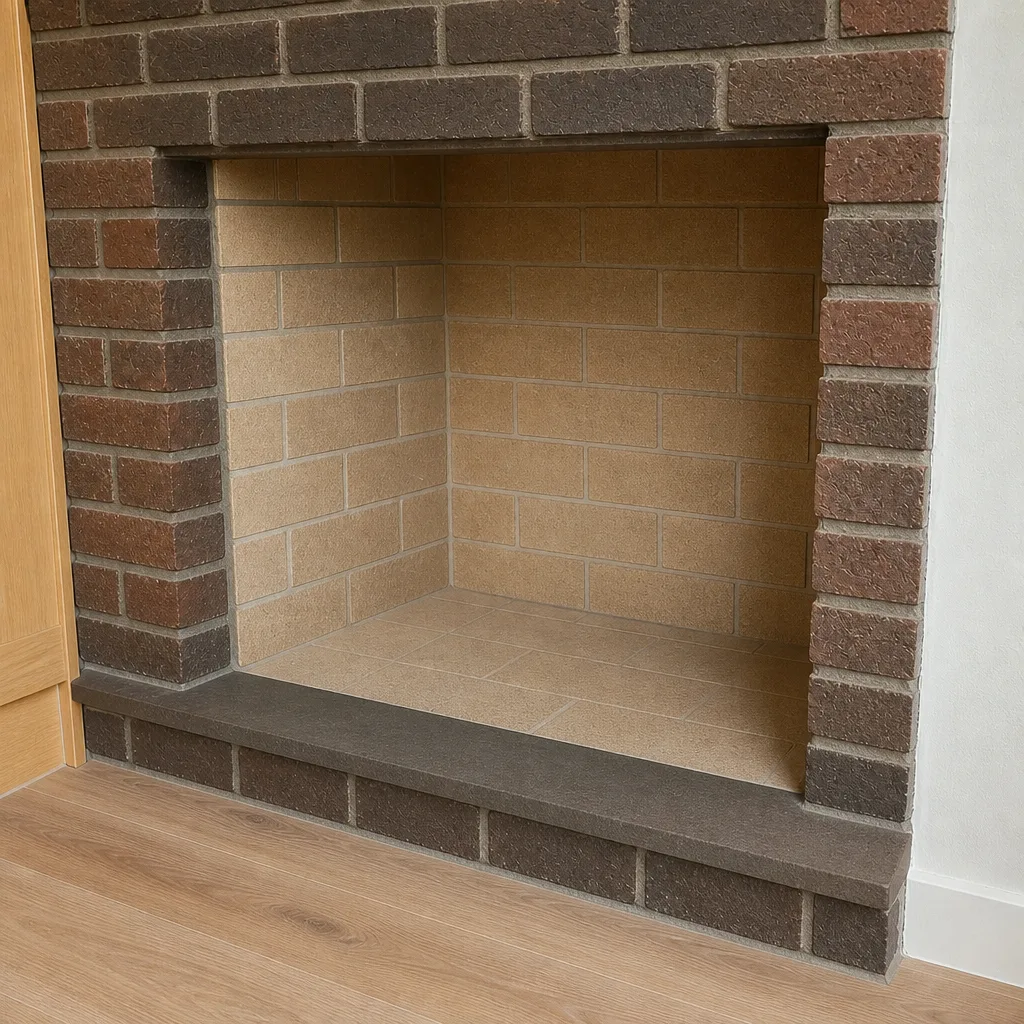
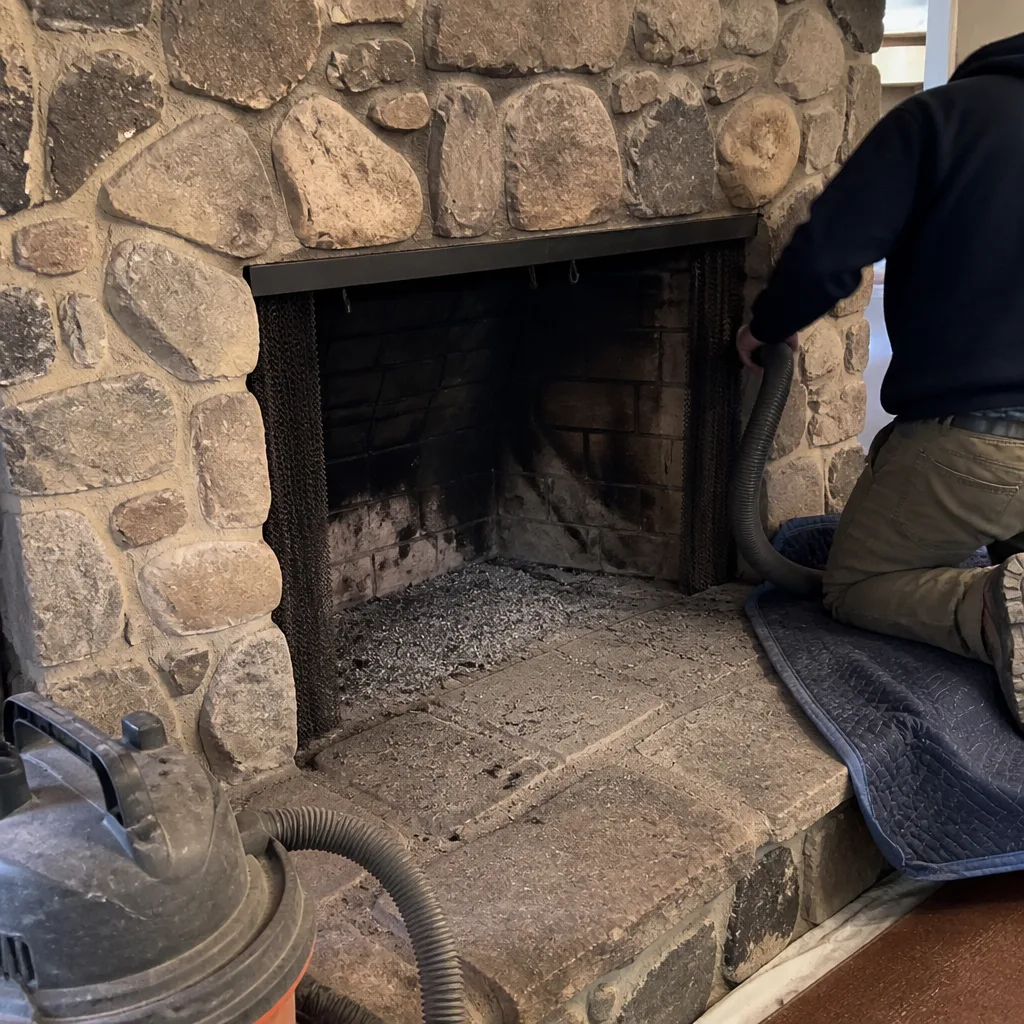
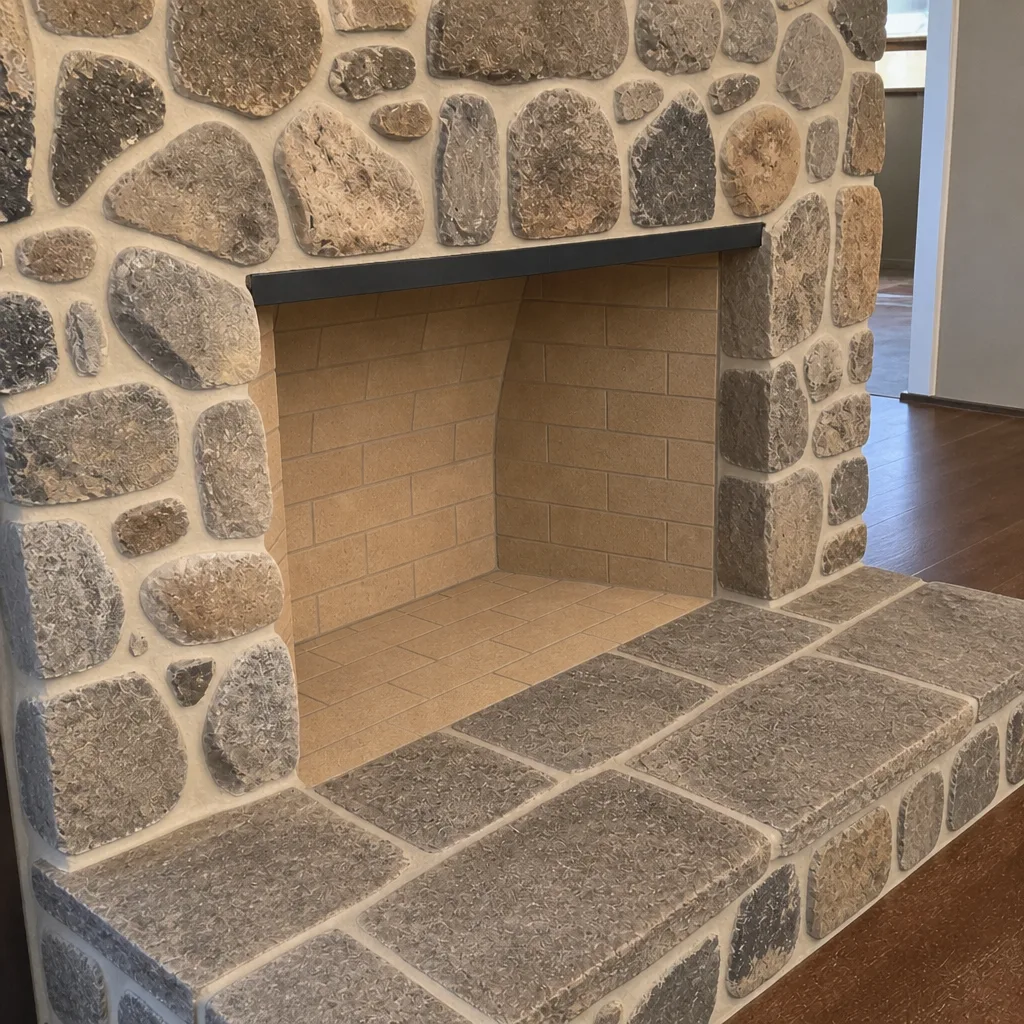
See the difference
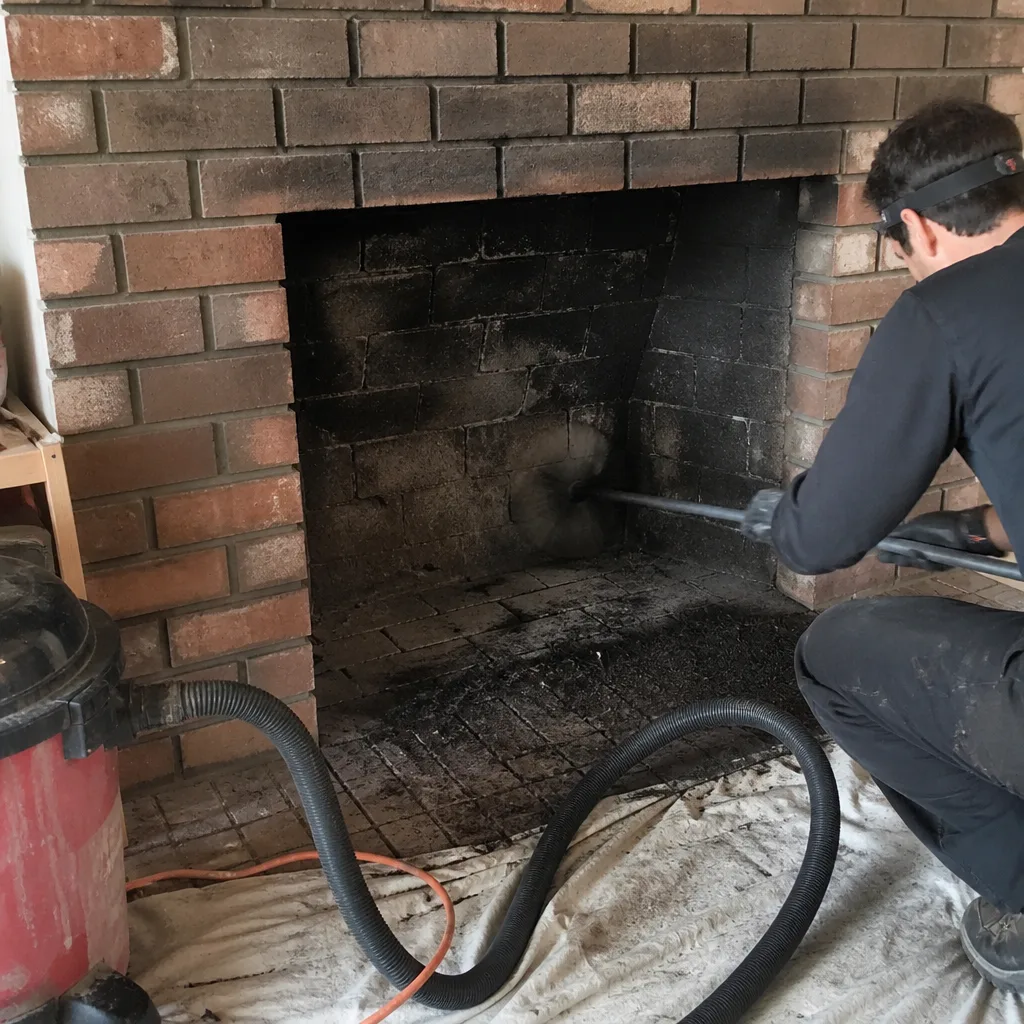 Before
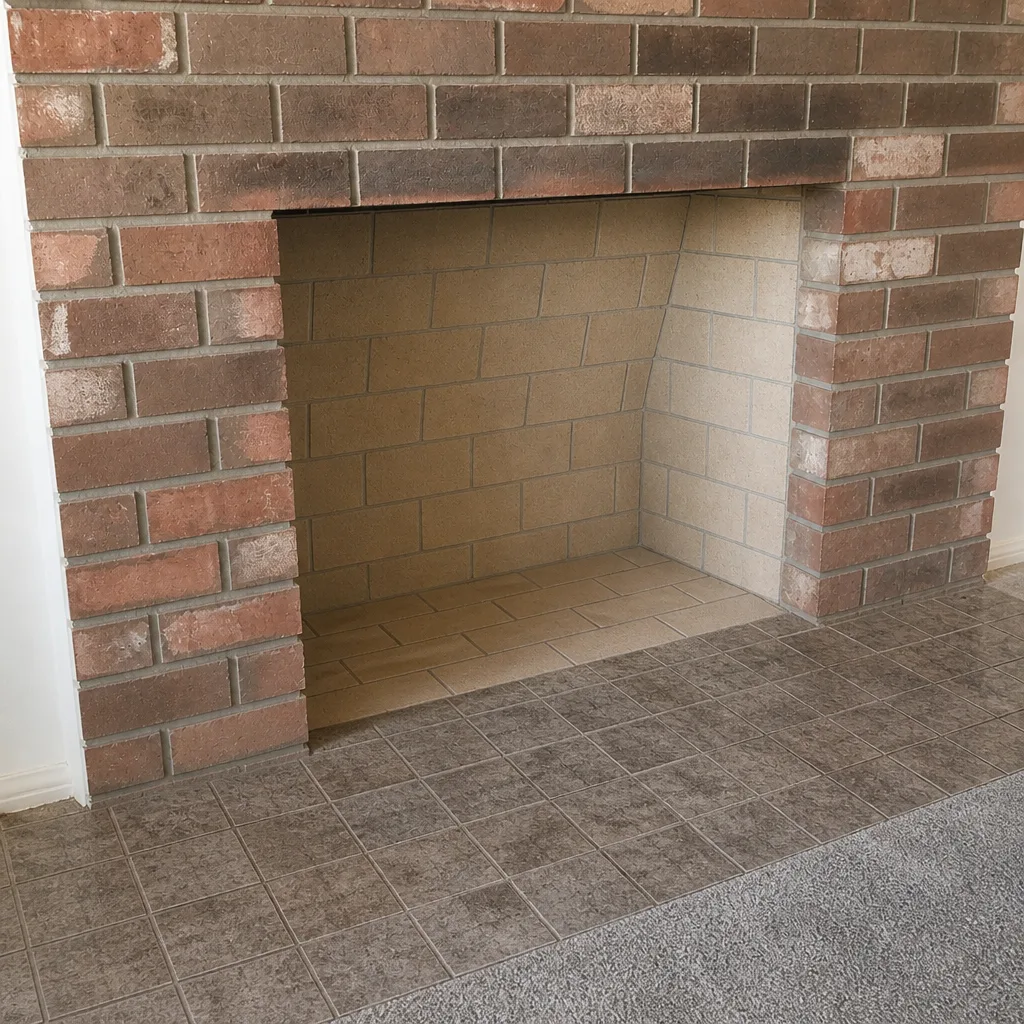 After
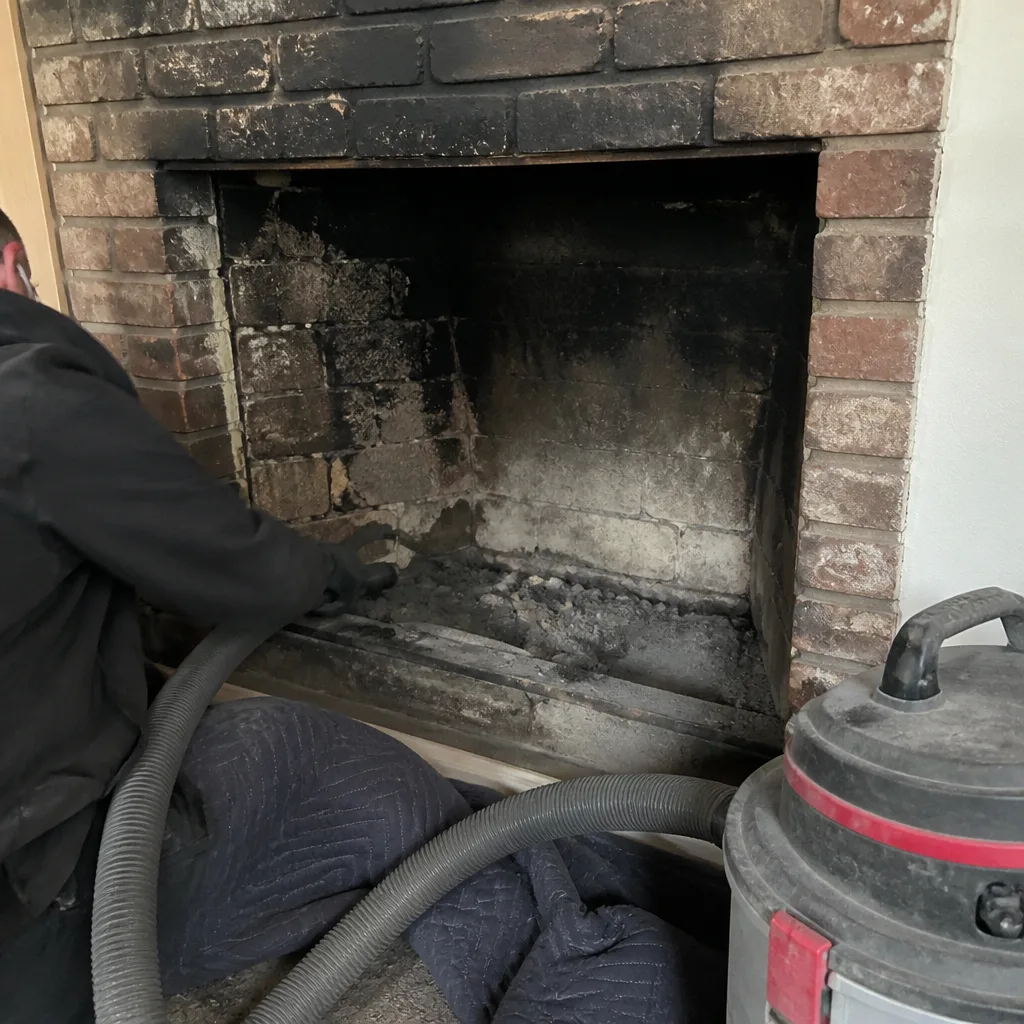 Before
 After
 Before
 After
When to Call a Professional
Call a professional if any of these apply: you have or suspect Stage 2 or Stage 3 creosote, the chimney hasn’t been inspected in over a year, there’s been a chimney fire, you see masonry or liner damage, you have a history of birds or animals in the flue, or your draft or smoke behavior has changed. Those are conditions where DIY cleaning creates a false sense of safety rather than real safety. Renton Chimney Sweep Pros offers free estimates in Renton; call (877) 792-7176 to schedule. Our technicians have up to 12 years of experience, and the estimate is free. Call (877) 792-7176. We answer 24/7. Fast dispatch from 7am to 7pm, Sunday through Friday.
Frequently Asked Questions
A professional chimney sweep in Renton is typically priced per job, and the exact figure depends on the flue condition and whether an inspection or repair is needed. The written estimate sets the final price, so you know the number before work begins. Call (877) 792-7176 for an exact quote; estimates are free.
You can clear light, powdery Stage 1 creosote from the parts of the flue you can reach, and for some homes that’s reasonable upkeep between professional visits. What you can’t reliably do is assess the liner, clean the smoke chamber, or spot the conditions that lead to chimney fires. If you don’t know your liner’s condition, a professional sweep and inspection is the safer choice. Call (877) 792-7176 to talk through your situation; estimates are free.
A chimney should be inspected once a year, and swept when buildup warrants it, which often means annually for a regularly used wood fireplace. In Renton, the long burn season and wet wood can shorten that interval. If it’s been more than a year since the last check, call (877) 792-7176 to book an inspection; estimates are free.
Skipping cleaning lets creosote and soot accumulate, and glazed creosote is the fuel for a chimney fire. It also means liner and crown problems go unnoticed until they’re more expensive to fix. Gas systems have their own risk, since a damaged vent can allow carbon monoxide into the home. Call (877) 792-7176 for a professional check; estimates are free.
Not always. Whether a liner needs replacement depends on what an inspection finds: cracked clay tiles, gaps, or a liner that’s been through a fire. Some liners can be resurfaced with a product like HeatShield instead of replaced, and a stainless system like DuraFlex is an option when replacement is needed. The answer comes from the inspection, not a guess. Call (877) 792-7176 to schedule an assessment; estimates are free.
It can be reasonable for light surface creosote in a straight flue with a known, sound liner and no animal or damage history. It stops being safe when you can’t verify those conditions, which is common in older Renton homes with clay tile liners. When in doubt, a professional sweep and inspection is the reliable path. Call (877) 792-7176 for a free estimate.
The Bottom Line
DIY chimney brushing is a real option for light surface creosote in a sound, known flue. It is not a substitute for an inspection, and it cannot reach the smoke chamber or assess the liner, which are where the serious risks live. The decision comes down to what you can actually evaluate, not what you can physically reach. For most Renton homeowners running a wood fireplace through the wet months, a professional sweep plus an annual inspection is the safer, more complete path, paired with your own exterior checks and smart burning between visits. If you’re unsure which side of the line your chimney is on, that uncertainty is the reason to call.
To get a clear read on your chimney’s condition, Renton Chimney Sweep Pros offers free estimates in Renton. Call (877) 792-7176. We answer 24/7. Fast dispatch from 7am to 7pm, Sunday through Friday. Our technicians have up to 12 years of experience, and every job comes with a clear picture of what was found and what, if anything, needs repair.
Written by the team at Renton Chimney Sweep Pros.