
Last updated November 24, 2026
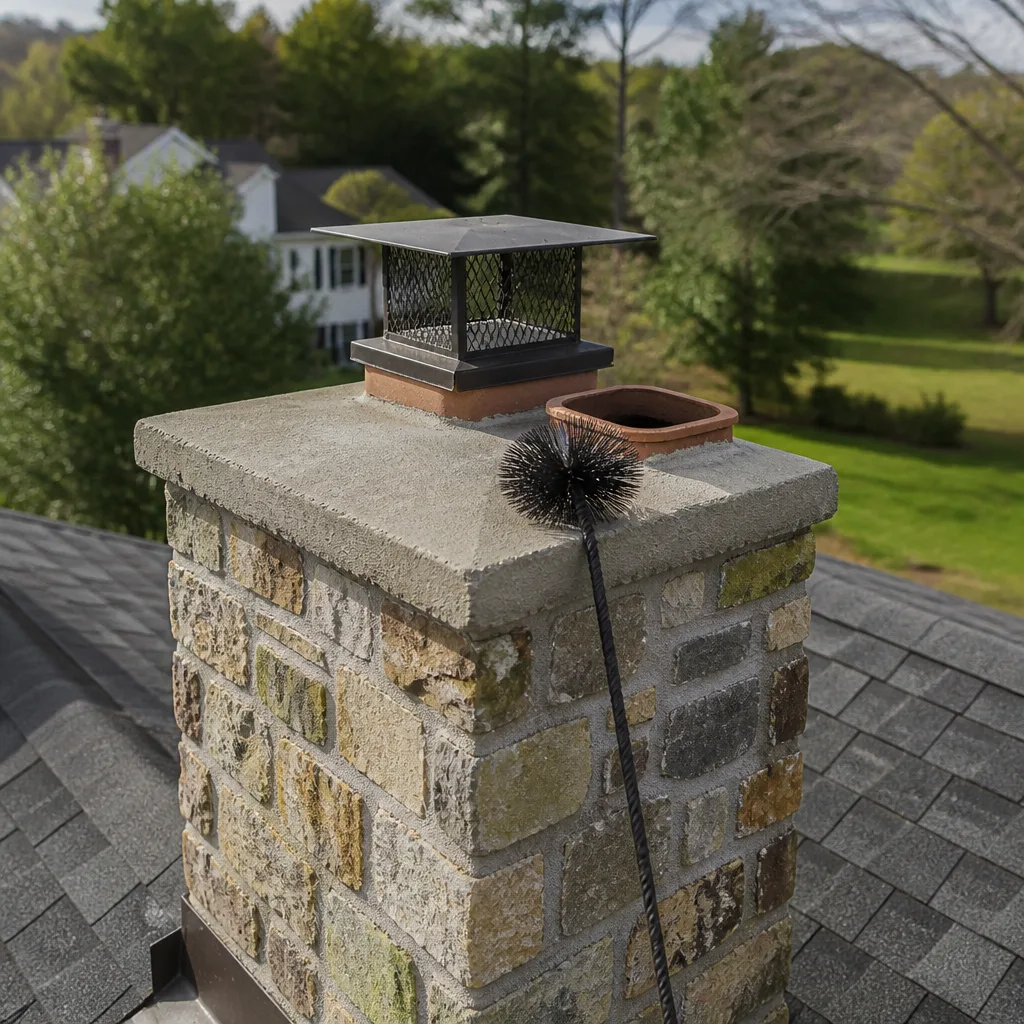 Sweep & inspection
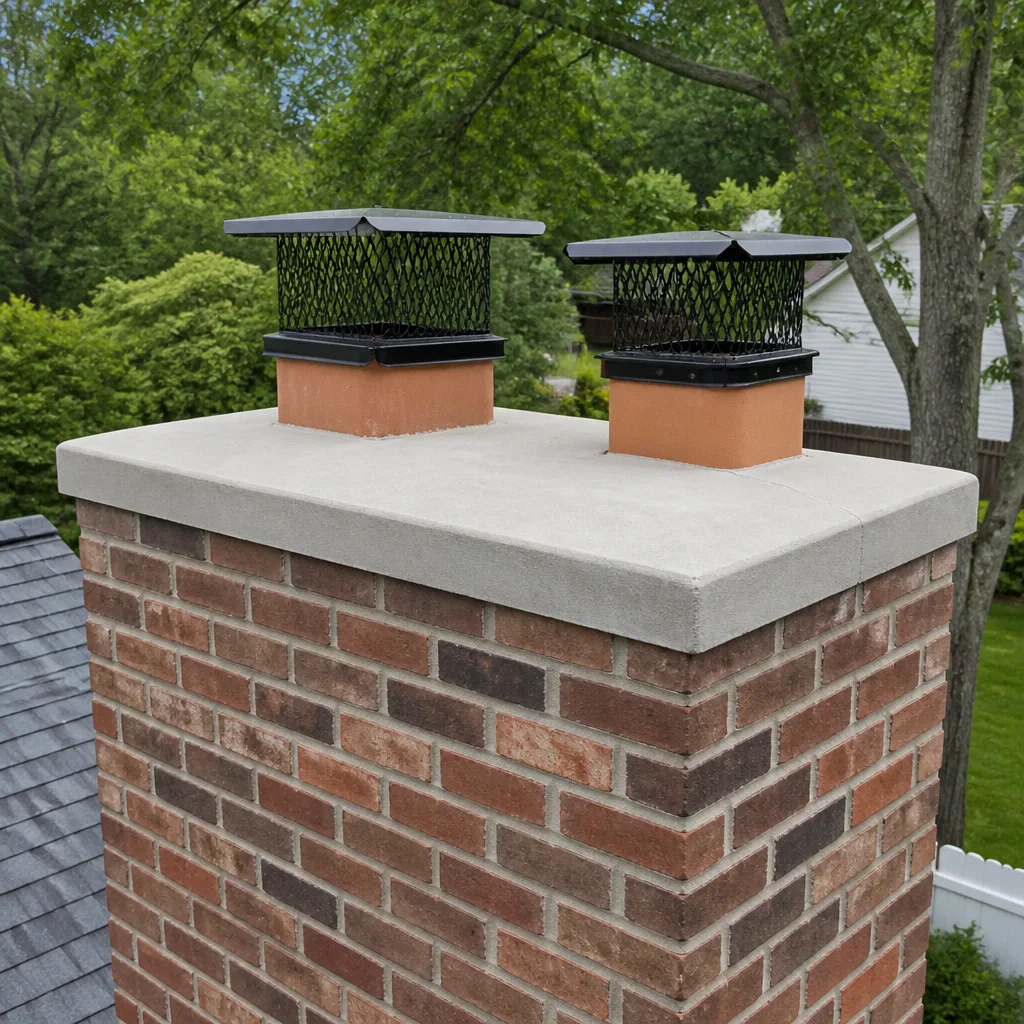 Caps & crowns
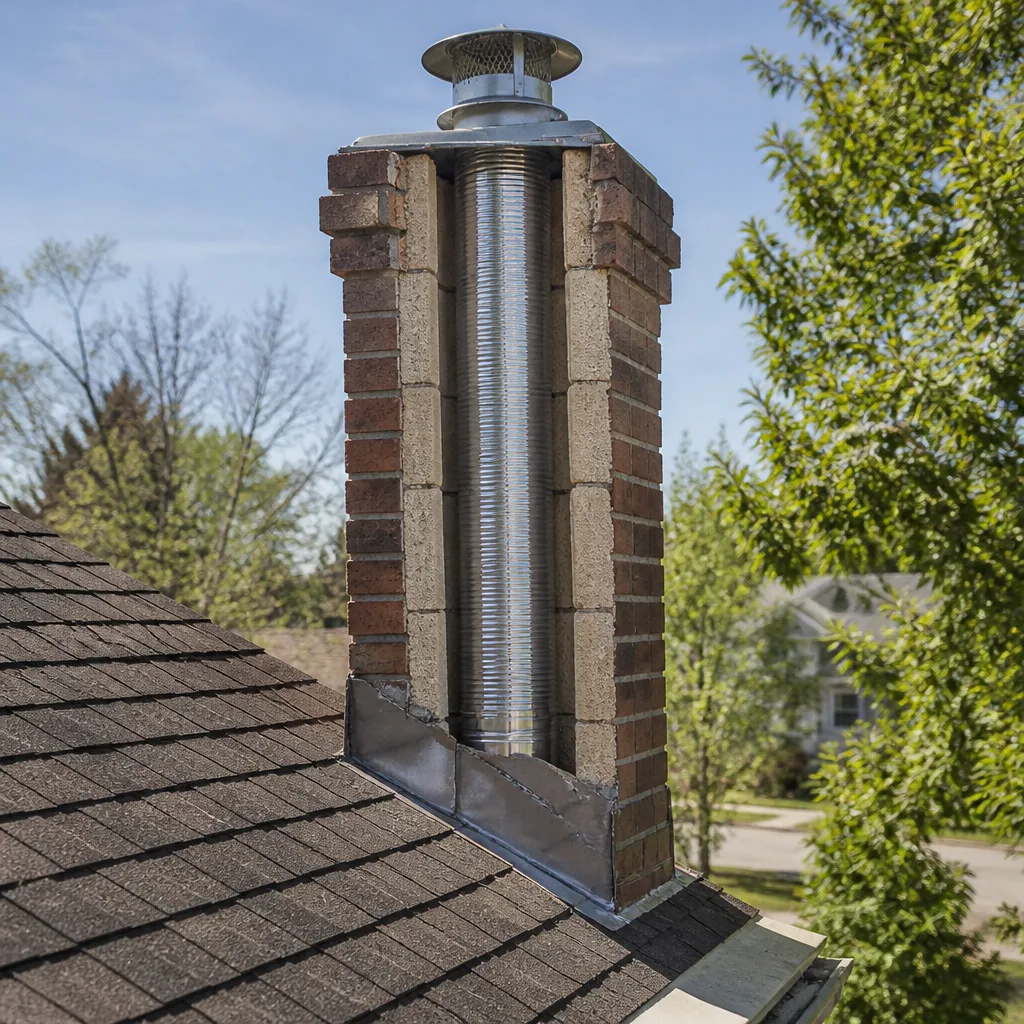 Flue relining
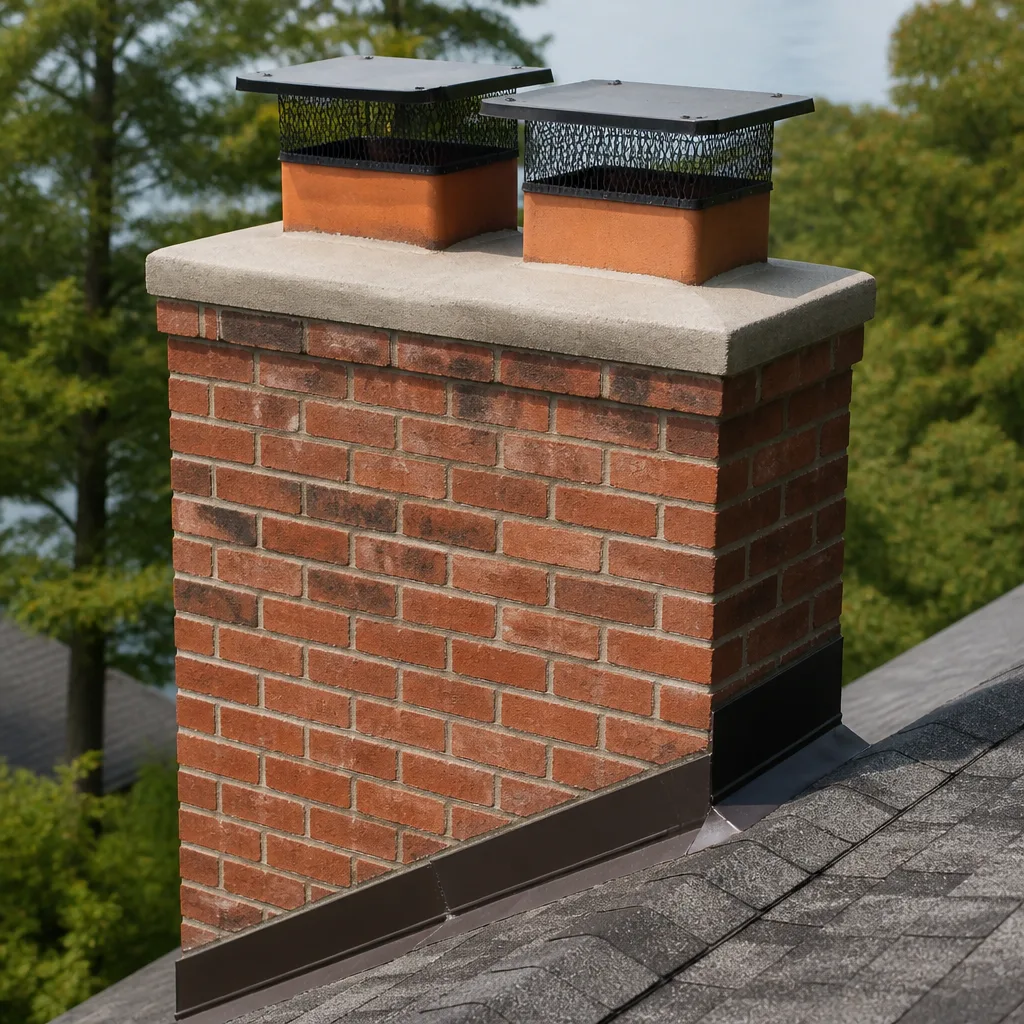 Masonry repair
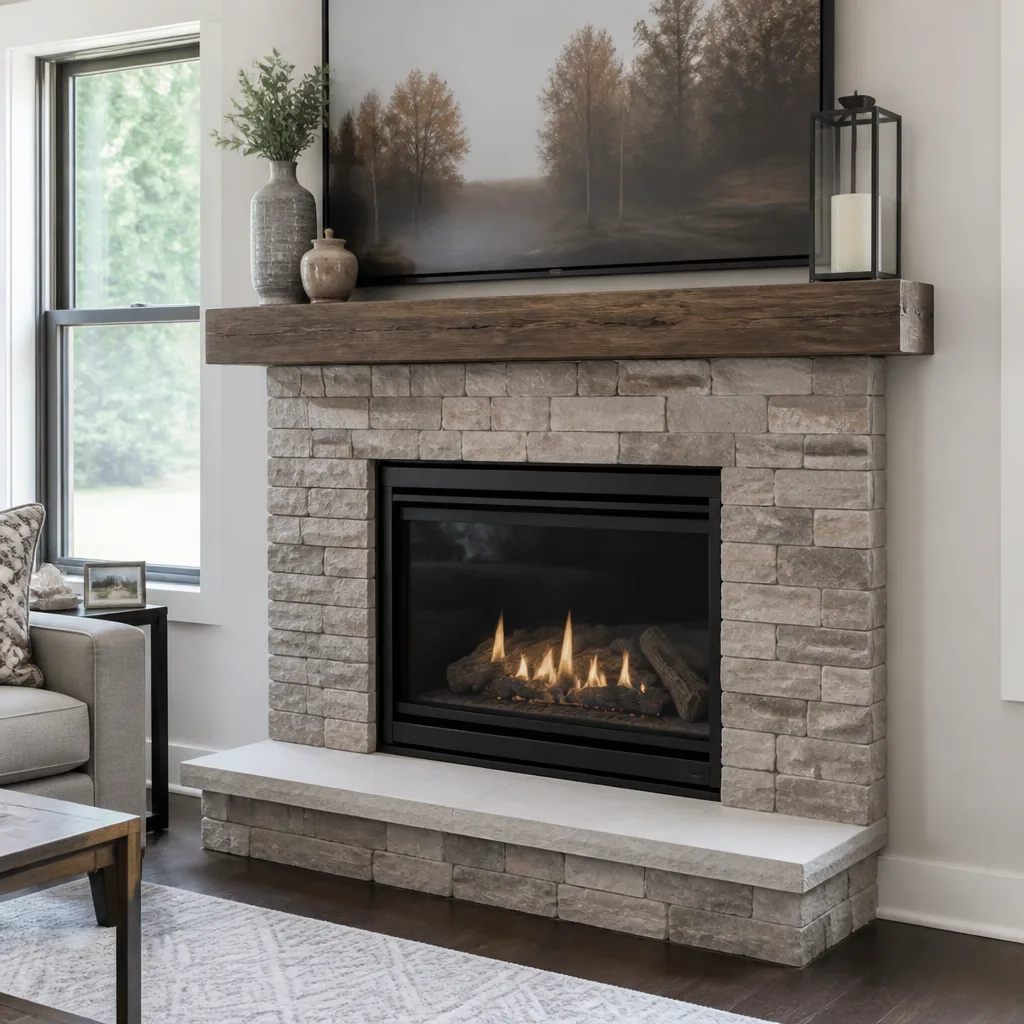 Gas fireplace service
Level 1 sweep and inspection to the NFPA 211 annual standard - flue, crown, cap, and flashing checked and photographed
Chimney sweep logs do not sweep chimneys. They loosen some creosote - which then falls where a brush and vacuum still have to collect it.
The Complete Guide to Chimney Cleaning in Renton
Most chimney fires in the Pacific Northwest happen in chimneys that were swept, just not swept correctly for the fuel being burned. That’s the part nobody tells you. A brush run down a flue clears some soot, but it can miss glazed creosote in the smoke chamber, leave a damaged liner unchecked, or ignore the cap that’s been letting Renton rain in all winter. In this guide we walk through what chimney cleaning actually involves here, what a real inspection looks like, why the wood you burn matters, and how to read the report you get afterward so you know exactly what you’re paying for.
Quick Answer
Chimney cleaning in Renton is a diagnostic service, not just a brush pass. A complete visit includes a sweep, a level-appropriate NFPA 211 inspection, a check of the liner, smoke chamber, damper, and cap, and a written report you can read and understand. How often you need it depends on how much you burn, but typical wood-burning households here are on an annual rhythm before the heating season starts.
Styles & brands we work with
- Sweep & inspection
- Caps & crowns
- Flue relining
- Masonry repair
- Gas fireplace service
Table of Contents
- Why Renton’s Climate Changes What Your Chimney Needs
- Level 1, 2, and 3 Inspections: Which One Applies?
- How Alder, Fir, and Other Local Woods Affect Creosote
- What a Full-Stack Cleaning Visit Actually Includes
- How to Read the Technician’s Written Report
- How Often Should You Book a Sweep?
- Warning Signs You Shouldn’t Ignore
Why Renton’s Climate Changes What Your Chimney Needs
Renton sits in a stretch of Western Washington where the wet season runs long and the shoulder seasons stay mild. That combination does something specific to a chimney. Because the outside air stays cool and damp well into spring, and because interior heat pushes warm exhaust up a flue that’s surrounded by cold masonry, you get the conditions creosote likes: a flue that’s warm on the inside and cold on the outside, with condensation forming on the liner walls. That condensation is where creosote begins to stage.
In drier climates, a chimney can often go longer between sweeps because the flue dries out fast between fires. Here, a flue can stay damp for weeks. Moisture combined with soot and unburned wood gas creates a stickier deposit that hardens over time. Stage one creosote is flaky and easy to brush. Stage two is crusty and tougher. Stage three is glazed and looks almost like glass, and that’s the stage that a standard brush won’t touch. Glazed creosote is what a HeatShield resurfacing job or a liner replacement is often addressing.
Renton’s housing stock adds another layer. Homes in the Renton Highlands and near Kennydale often have masonry fireplaces built decades ago, many with clay tile liners that have had a lot of heating cycles on them. Older construction on Renton’s east side and the neighborhoods off Renton Avenue sometimes turns up chimneys that were built to older standards than what’s used today. A sweep tech who knows what to look for in a masonry chimney from that era is looking at more than the soot.
- Long wet season keeps flues damp and slows the natural drying that would otherwise break down soft deposits.
- Mild shoulder months mean many households are burning low, smoldering fires that create more creosote than hot fires do.
- Dense older construction means original liners are often decades into their service life and worth a close look.
Level 1, 2, and 3 Inspections: Which One Applies?
NFPA 211 sets three inspection levels, and knowing which one your chimney needs is one of the most important things a homeowner can understand. A Level 1 inspection is the basic visual check: accessible portions of the chimney, firebox, damper, and flue, done without any special tools or access. A Level 2 inspection adds a video camera scan of the flue interior, and it’s required for most real-estate transactions, after a chimney fire, after any change to the fuel type or appliance, or when a Level 1 finds something that needs a closer look. A Level 3 inspection is the most involved, requiring access to concealed areas of the chimney, often with removal of parts of the structure.
For most Renton homeowners who burn regularly, a Level 2 is the right default when anything has changed. A new insert? Level 2. A house you just bought? Level 2. A chimney fire, even a small one you think you put out quickly? Level 2. A camera scan is how you see the inside of a flue you can’t otherwise reach, and it’s the difference between guessing about a liner crack and knowing.
- Level 1 – routine annual check when nothing has changed and the chimney has been maintained.
- Level 2 – camera inspection of the flue interior; required after a fire, a fuel change, a property sale, or any concerning Level 1 finding.
- Level 3 – targeted access to concealed areas, usually when a Level 2 flags a serious problem that can’t be confirmed otherwise.
The reason this matters for a Renton chimney sweep visit is that not every sweep includes a Level 2. When you book, ask which inspection level is included and whether the report will include photos or video. If it doesn’t, you may be buying a brush pass without the diagnosis.
How Alder, Fir, and Other Local Woods Affect Creosote
What you burn in Renton changes the creosote profile your chimney will develop. Alder and Douglas fir are the two woods most Renton households end up burning, and neither behaves like oak or hickory. Alder burns hot and relatively clean when it’s seasoned, but it’s a low-density wood that needs a long dry season. Fir burns hot but long, thin fir rounds that aren’t split down will char on the outside and smolder in the middle, and smoldering fir is a high-creosote fuel. Hardwoods like oak carry more heat energy per cord and burn steadier, but any wood burned green or at a low air setting deposits creosote.
Moisture content is the bigger factor than species. Wood that hasn’t had at least a full season to dry produces more smoke, and more smoke means more creosote on the flue walls. Renton’s wet winters make outdoor wood storage tricky. A stack that sits uncovered through the winter is not going to burn cleanly in January no matter what kind of wood it is. Covering the top of the stack while leaving the sides open to airflow is the difference between dry wood and wood that steams on the fire.
- Alder – burns hot and light; needs a full dry season to be clean burning.
- Douglas fir – split it down before burning so it doesn’t smolder in the center.
- Hardwood blends – steady heat, but only as clean as their moisture content allows.
- Scrap wood, construction lumber, and anything painted or treated – never. These deposit chemicals you don’t want in your home’s air.
What a Full-Stack Cleaning Visit Actually Includes
A full-stack cleaning visit is more than a brush pass. Here’s what a complete visit from a chimney specialist looks like from the firebox to the cap, and what each stage of the job is designed to catch.
- Setup and protection. Drop cloths around the hearth and a vacuum system running before any brush goes up the flue.
- Firebox and damper check. The damper has to move freely and seal; a stuck or warped damper is a real problem, not a cosmetic one.
- Flue sweep. A properly sized brush for your flue type, and repeated passes through the full length, not a single draw.
- Smoke chamber inspection. The area above the damper is where a lot of creosote collects and where brushes can miss.
- Liner inspection. Camera or visual, depending on level; any cracks, gaps, or deteriorated mortar get photographed.
- Cap and crown check. The top of the chimney is where Renton’s rain gets in. A missing or damaged cap lets water run down the flue, and a cracked crown lets it into the masonry itself.
- Written report with photos. What we found, what it means, and what we recommend, in plain language.
At Renton Chimney Sweep Pros, we’re a chimney specialist rather than a generalist, and that means every part of the visit is chimney-specific. No plumber doing a chimney as a side job. We bring professional-grade components when something needs replacing, including Gelco caps and DuraFlex liner systems, and we can perform HeatShield ceramic resurfacing when a liner is deteriorating but not yet at the point of full replacement. That matters for Renton homeowners because it means one call covers inspection through repair.
If a cap or crown is part of the picture, we install it as a standalone service too. The chimney cap & crown work is the piece most homeowners underprice when they think about chimney upkeep, and it’s the piece that most directly extends the life of everything below it.
How to Read the Technician’s Written Report
The written report is the actual deliverable of a good chimney visit. If a company sweeps your chimney and hands you a receipt, you don’t have a report – you have a proof of service. A real report tells you what the technician found, rates it, and tells you what to do about it. Here’s the reading, from a homeowner’s side.
“Monitoring recommended” means the technician saw something worth watching but not treating. A hairline crack in a clay tile that hasn’t moved, a small amount of stage-two creosote that brushed off with several passes, a damper that’s a little stiff but fully functional. This means the work can safely wait – come back next year and it gets looked at again. If a company tells you something needs repair and the report says “monitoring,” that’s a problem.
“Repair required” means the technician saw something that affects safety or function now. A cracked flue tile that’s letting exhaust into the masonry, a missing cap that’s letting water in, a firebox with deteriorated mortar joints, a hinge that’s failing. This is when the work is scheduled, not put off.
“Immediate attention” means stop using the fireplace until the work is done. A glazed third-stage creosote deposit, a hole in the liner, a chimney with no cap in a wet climate – these are the cases where having another fire is a real risk.
Ask for photos. Any technician doing a Level 2 inspection should be able to show you the inside of your flue, not just describe it. If you can see the crack, the creosote stage, or the failed mortar joint yourself, you’re making a decision about your own chimney from evidence rather than a sales pitch.
How Often Should You Book a Sweep?
The general rule of thumb is an annual sweep for any chimney in regular use, plus inspections on the same schedule. But “regular use” is doing a lot of work in that sentence. A Renton household burning three or four cords a winter, mostly on cold evenings and through the wet months, generally needs an annual sweep. A household that fires up the fireplace a few times a month through fall and winter may be on a longer cycle. A household with an insert running daily through the heating season is on a shorter one.
The fuel type matters too. Gas fireplaces have a different service profile than wood-burning units. Gas logs produce very little creosote but can still accumulate debris, and the flue and venting do need checking. Wood-burning fireplaces and inserts are the ones where creosote staging is the main concern, and where Renton’s long damp season accelerates the buildup.
- Wood-burning, frequent use – annual sweep and Level 2 inspection before the season begins.
- Wood-burning, occasional use – annual inspection at minimum; sweep based on what the technician finds.
- Gas fireplace or insert – annual inspection; less frequent sweep, but the venting still gets checked.
- New home or recently purchased – a Level 2 inspection before the first burn, without exception.
The practical timing in Renton is before the heating season starts. The late summer and early fall window is when a full-stack chimney sweep is easiest to schedule and when the inspection leaves you the most time to address anything the report flags before you need the fire.
Warning Signs You Shouldn’t Ignore
Most chimney problems announce themselves before they get expensive, if you know what to look for. These are the signs that should move a chimney visit up your list, especially as we head into fall in Renton.
- Smoke rolling into the room instead of up the flue. This is a draft problem and can point to a blocked flue, a failed cap, or a smoke chamber issue.
- Strong smell of smoke on warm, damp days when the fireplace is off. That’s creosote odor coming back down the flue; it usually gets worse in wet weather.
- Visible soot staining on the firebox, the brick face, or the chimney exterior in the attic or on the roofline.
- Water on the firebox floor or rust on the damper after a heavy rain. This is a missing or damaged cap, and it’s a masonry problem waiting to start.
- Crumbling mortar in the firebox joints or around the crown at the top of the chimney.
- A crack in the flue visible from the firebox when you look up with a flashlight. Don’t burn again until it’s inspected.
Any of these signs is a reason to get a chimney sweep visit scheduled and ask specifically for a Level 2 inspection, not just a brush pass.
Common Mistakes to Avoid
- Skipping the inspection because the chimney “looks clean.” The parts that matter are inside the flue and above the damper, and neither is visible from the firebox.
- Hiring a general handyman for a chimney job. Chimney work calls for chimney-specific tools, chimney-specific components, and a technician who knows the NFPA 211 inspection levels. In Renton, we see a lot of repairs done by non-specialists that end up redone.
- Burning wet wood to “get through” a cold snap. Every wet-fire burn deposits more creosote on the flue than a dry-fire burn of the same length. A wet season of that habit is what pushes a chimney from stage two to stage three.
- Treating a cap as optional. In a climate with this much rain, a missing cap is a masonry problem on a timer. Water in the flue leads to cracked liners and spalling brick, and both are far more expensive than a cap.
- Assuming a gas fireplace needs no service. Gas logs still need the venting checked and the firebox inspected; the service profile is different, not absent.
- Reading the report as either “all clear” or “everything’s wrong.” Most reports land in between. “Monitoring recommended” is a real finding that means work can wait; only a technician who tells you the difference is giving you a real report.
- Putting off the sweep until the first cold week. That’s when scheduling is tightest. The best window in Renton is before the season starts.
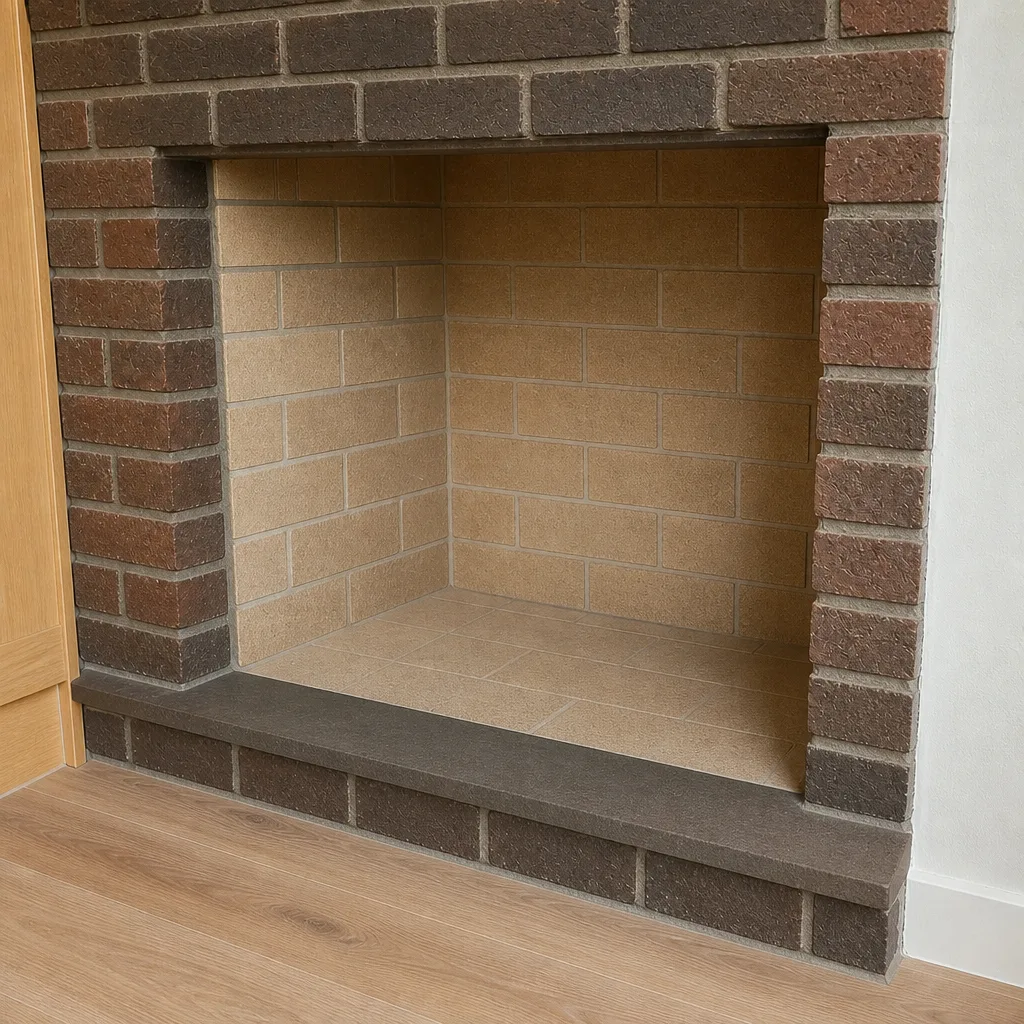
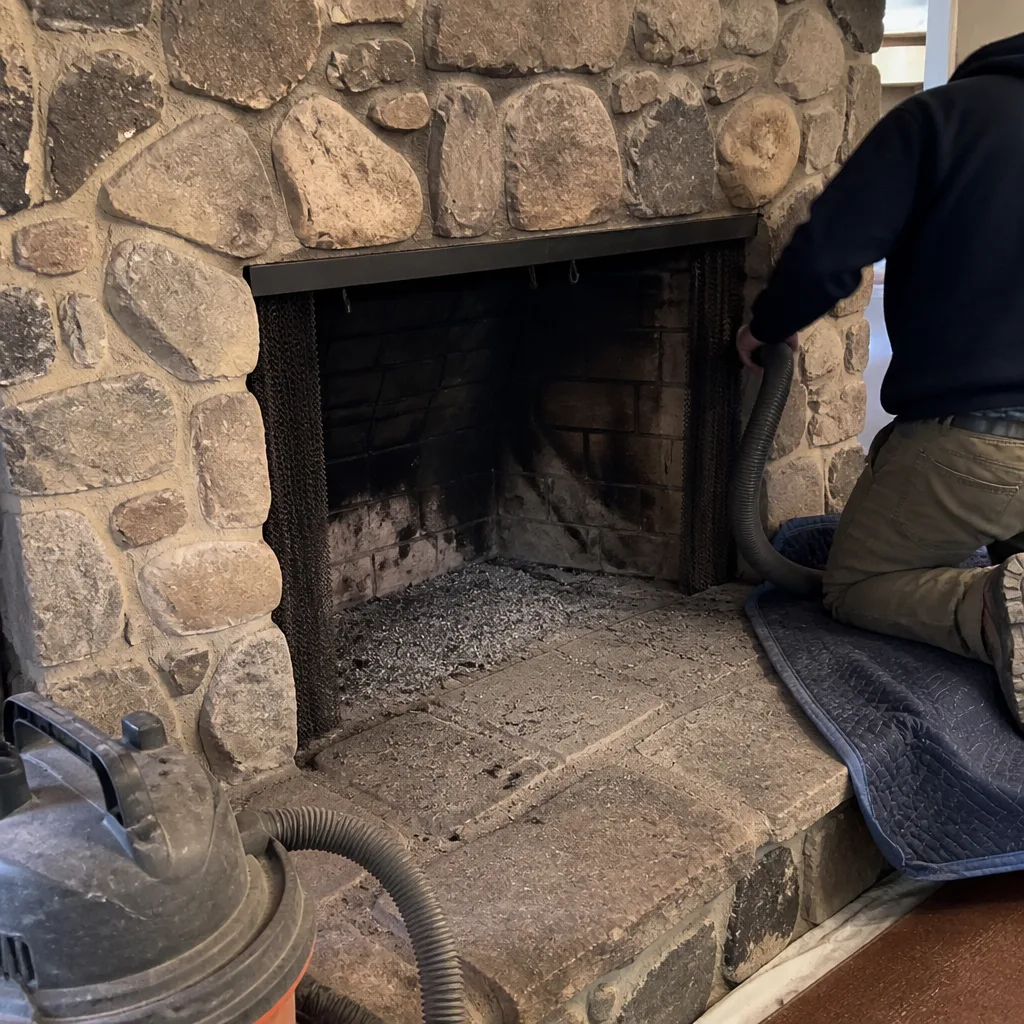
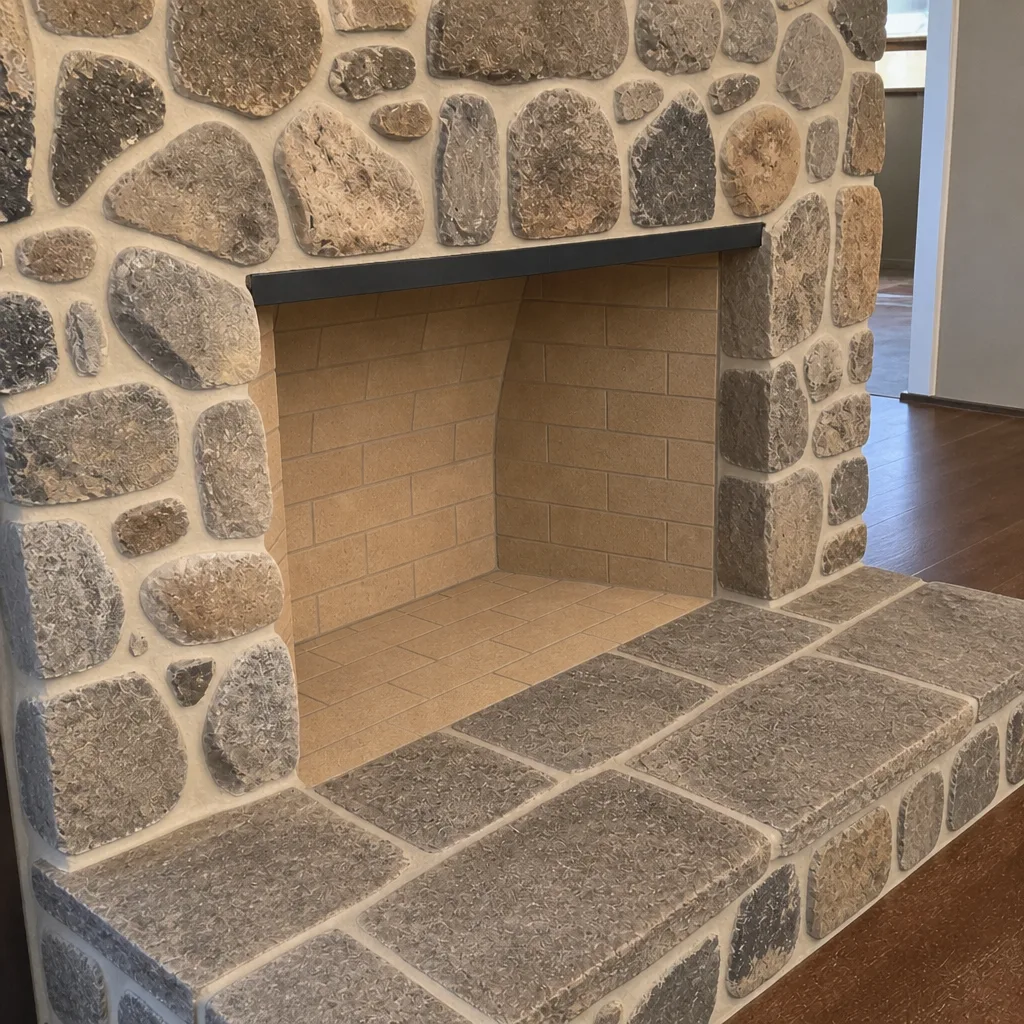
See the difference
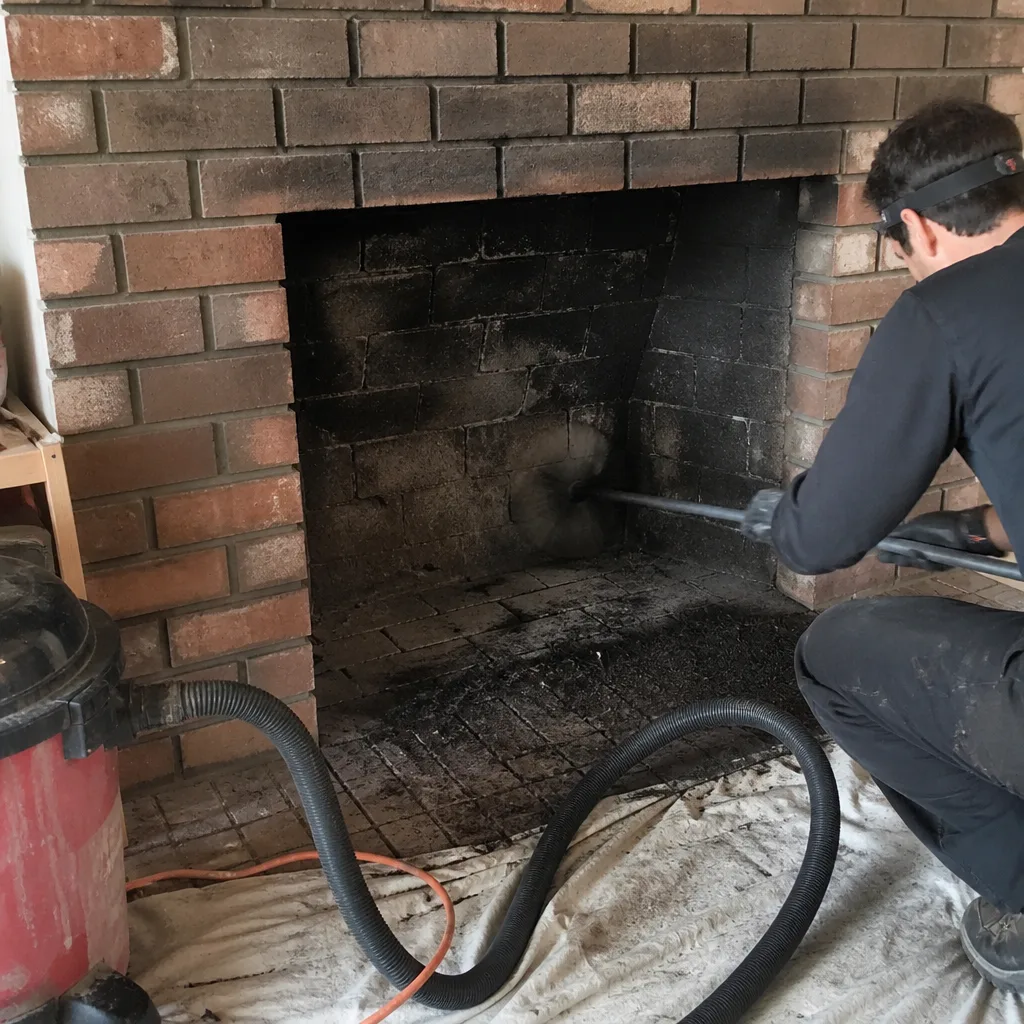 Before
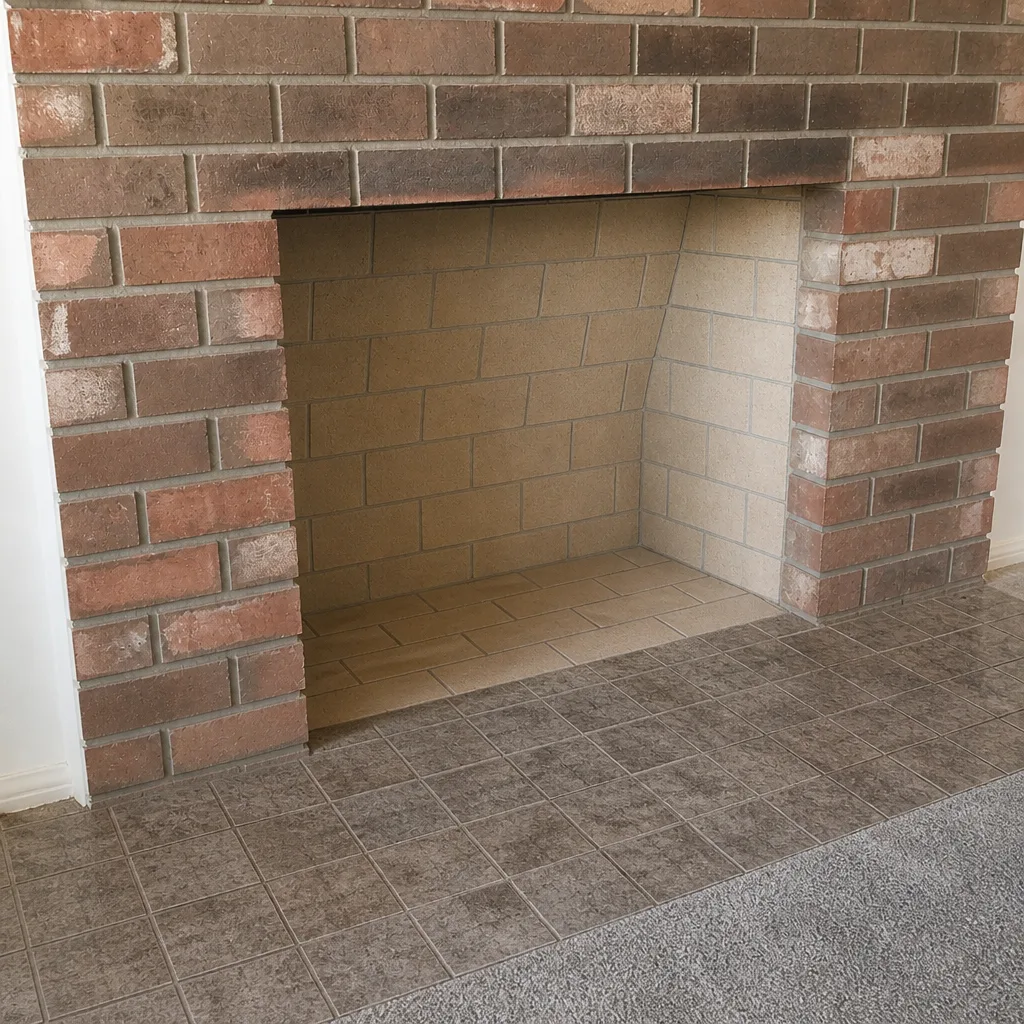 After
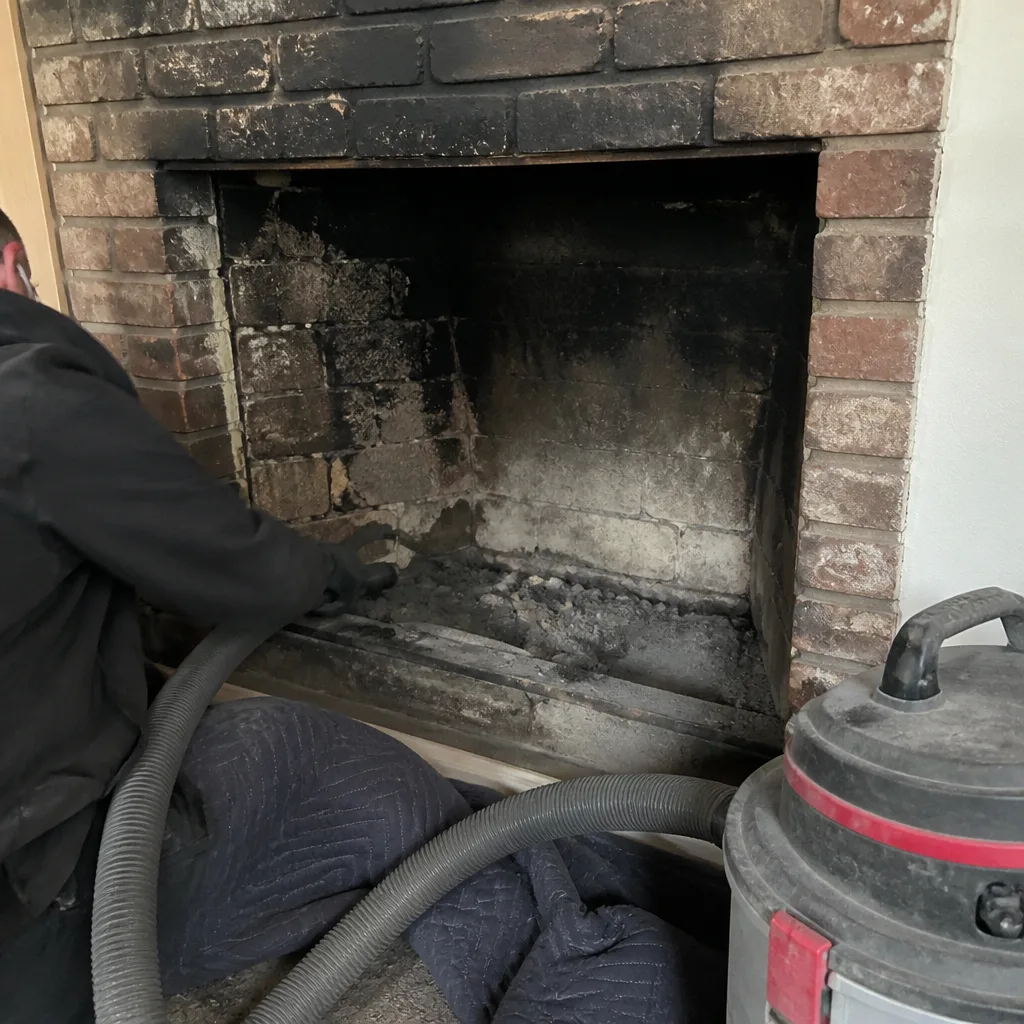 Before
 After
 Before
 After
When to Call a Professional
Call a chimney specialist when the problem is inside the flue, above the damper, or at the top of the chimney – the three areas you can’t safely inspect yourself. That means any sign of a draft problem, soot staining, water intrusion, or a smell you can’t place. It means a recent chimney fire, even a small one. It means a new home, a new insert, or a change in fuel. And it means the annual sweep, on whatever schedule fits your burning habits. A fireplace repair visit covers the firebox, damper, and hearth side; the sweep and inspection cover the flue and cap side. Renton Chimney Sweep Pros offers free estimates in Renton, and one call covers inspection through repair. Call (877) 792-7176.
Frequently Asked Questions
Typical pricing for a standard sweep and inspection in the Renton area sits in a range that moves with the chimney type, the level of inspection included, and anything found during the visit. A basic sweep is at the lower end; a Level 2 camera inspection or a visit that turns up a cap or crown issue lands at the higher end. Ask any company to tell you the price before booking and confirm whether inspection is included in the quoted number. Call (877) 792-7176 for an exact quote. Estimates are free.
Once a year for most households that burn wood regularly, with the same annual schedule for inspection. Households that burn occasionally can stretch the sweep interval based on what a technician finds, and gas fireplaces have a different service profile. The right answer for your chimney comes from the inspection, not a generic rule. Call (877) 792-7176 for an exact quote. Estimates are free.
Only if the inspection shows the existing liner has damage that affects safety or function – a crack through the flue tile, a hole in a stainless liner, or deteriorated mortar that’s letting exhaust into the surrounding masonry. A liner that’s inspected and intact doesn’t need replacing just because it’s old. When a liner is deteriorating but not yet failed, HeatShield ceramic resurfacing can sometimes restore it rather than replace it, and that’s a decision the inspection should support. Call (877) 792-7176 for an exact quote. Estimates are free.
Creosote builds up on the flue walls and hardens through the stages, and at the glazed stage a standard brush won’t remove it. That glazed deposit is the fuel a chimney fire needs. A missing or damaged cap also lets Renton rain down the flue, which damages liners and masonry over time. Skipping a season doesn’t cause a fire on its own, but it does move you closer to the condition where a fire is possible. Call (877) 792-7176 for an exact quote. Estimates are free.
Yes, and it’s worth doing. Look for soot staining on the firebox, check that the damper opens and closes freely, and look up the flue from the firebox with a flashlight for any obvious cracks. From outside, look up at the top of the chimney to see whether the cap is present and intact. Anything that looks off is a reason to schedule a visit. Don’t reach into the flue or try to clean anything yourself – the inside of a chimney isn’t a safe DIY space. Call (877) 792-7176 for an exact quote. Estimates are free.
It does. The long damp season keeps flues cooler and moister between fires, and a flue that stays damp and cool is where creosote sticks and stages faster. That’s why annual inspections make sense here even for households that burn moderately; the inspection is what catches a developing problem while it’s still in the “monitoring recommended” column rather than the “repair required” column. Call (877) 792-7176 for an exact quote. Estimates are free.
The Bottom Line
Chimney cleaning in Renton is a diagnostic service, and the sweep is one part of it. The full picture includes the right inspection level, a check of the smoke chamber, damper, liner, and cap, and a written report you can actually read and act on. What you burn and how often matters as much as how often you sweep, and the wet season here makes the timing of annual service worth thinking about before fall. If you know what “monitoring recommended” and “repair required” mean, you can make good decisions about your own chimney. If you want a specialist who covers inspection through repair, call (877) 792-7176. We answer 24/7. Fast dispatch from 7am to 7pm, Sunday through Friday.
If you’re ready to book, or you just want to know what your chimney actually needs before you spend anything, reach out to Renton Chimney Sweep Pros. Call (877) 792-7176 for a free estimate – we’ll tell you plainly what we find and what it means.
Written by the team at Renton Chimney Sweep Pros.